My Exercise Routine for Health and Longevity
💡 Key Takeaways
- Exercise activates hormetic stress pathways linked to resilience and healthy aging
- Resistance training helps prevent sarcopenia and metabolic decline
- Outdoor exercise may improve mood, circadian rhythms, and stress resilience
- Yoga and mindfulness support flexibility, recovery, and nervous system regulation
- Consistency matters more than perfection for long-term healthspan
Introduction
Most people think longevity is about avoiding stress. In reality, the right kind of stress may be one of the most powerful tools for healthy aging.
This concept is called hormesis. Small, manageable stressors like exercise challenge the body just enough to trigger repair, adaptation, and resilience. The result is a stronger cardiovascular system, better metabolic function, preserved muscle mass, improved brain health, and greater physical capacity as you age.
The key is dosage. Chronic stress breaks the body down. Strategic physical stress builds it back stronger.
Exercise remains one of the few interventions consistently linked to longer lifespan, reduced disease risk, improved mobility, and better cognitive function. Yet many people overcomplicate fitness or assume intense gym sessions are the only path forward.
They are not.
One of the biggest misconceptions in longevity culture is that more exercise is always better. In reality, recovery capacity changes with age. The goal is not punishment. The goal is adaptation.
Disclosure: affiliate link. I earn a small commission at no additional cost to you if you purchase through this link.
Why Hormesis Matters for Longevity
Hormesis describes the biological process where low doses of stress activate protective repair pathways. Exercise temporarily increases oxidative stress, inflammation, and energy demand. That sounds harmful on paper. But in controlled doses, the body responds by becoming more resilient.
This includes:
- Improved mitochondrial function
- Better insulin sensitivity
- Enhanced cardiovascular capacity
- Increased antioxidant defenses
- Stronger muscles and connective tissue
- Greater stress resilience
The important distinction is that exercise creates acute stress, not chronic overload.
That distinction matters.
Many adults are sedentary for most of the day while simultaneously living under chronic psychological stress. That combination accelerates metabolic dysfunction and physical decline. Strategic movement acts almost like a biological reset button.
Outdoor Movement Amplifies the Benefits
Some of the best forms of exercise barely feel like exercise.
Hiking, biking, tennis, long walks, and outdoor activities combine movement with sunlight exposure, fresh air, and nervous system regulation. Research suggests outdoor exercise may improve mood and mental health more effectively than indoor exercise alone.
Morning movement outdoors may also help regulate circadian rhythms through natural light exposure. That matters because circadian health influences sleep quality, metabolic health, hormone production, and inflammation.
Vitamin D exposure from sunlight also plays a role in serotonin production and mood regulation.
One overlooked benefit of outdoor exercise is sustainability. People are more likely to continue movement they genuinely enjoy. Long-term adherence matters more than chasing the perfect workout protocol.
Resistance Training Changes Aging Trajectory
Muscle loss is one of the clearest physical markers of aging.
After age 30, adults gradually lose muscle mass and strength unless they actively train against that decline. This process, known as sarcopenia, contributes to frailty, falls, insulin resistance, reduced mobility, and lower quality of life.
Resistance training directly counteracts that process.
You do not need bodybuilding routines or endless hours in the gym. Consistent progressive resistance training using bodyweight exercises, free weights, machines, or resistance bands can preserve and build muscle at nearly any age.
This is especially important because skeletal muscle functions as a major metabolic organ. Muscle tissue influences glucose regulation, hormone signaling, immune health, energy production, and physical resilience.
A surprising reality for many adults over 50 is that strength training often improves confidence and mobility faster than cardio alone.
Resistance bands are particularly underrated. They are portable, joint-friendly, inexpensive, and highly effective for maintaining strength while traveling or recovering from injury.
High-Intensity Training Has a Place
Not every workout should be exhausting.
That said, strategic high-intensity training can improve cardiovascular fitness, anaerobic capacity, and metabolic flexibility.
Zone training offers a useful framework:
- Lower intensity zones build aerobic capacity and recovery
- Moderate zones improve endurance
- High-intensity zones improve power and metabolic conditioning
The mistake many people make is living exclusively in the middle intensity range. Too hard to recover from efficiently. Too easy to maximize adaptation.
A balanced longevity routine often combines lower-intensity movement with short periods of challenging effort.
Cycling works particularly well because it delivers cardiovascular benefits while reducing impact stress on joints.
Yoga, Mobility, and Nervous System Health
Flexibility tends to decline quietly with age.
Mobility restrictions gradually affect posture, balance, joint health, movement efficiency, and injury risk. Yoga and stretching help maintain movement quality while also supporting recovery.
But the benefits extend beyond flexibility.
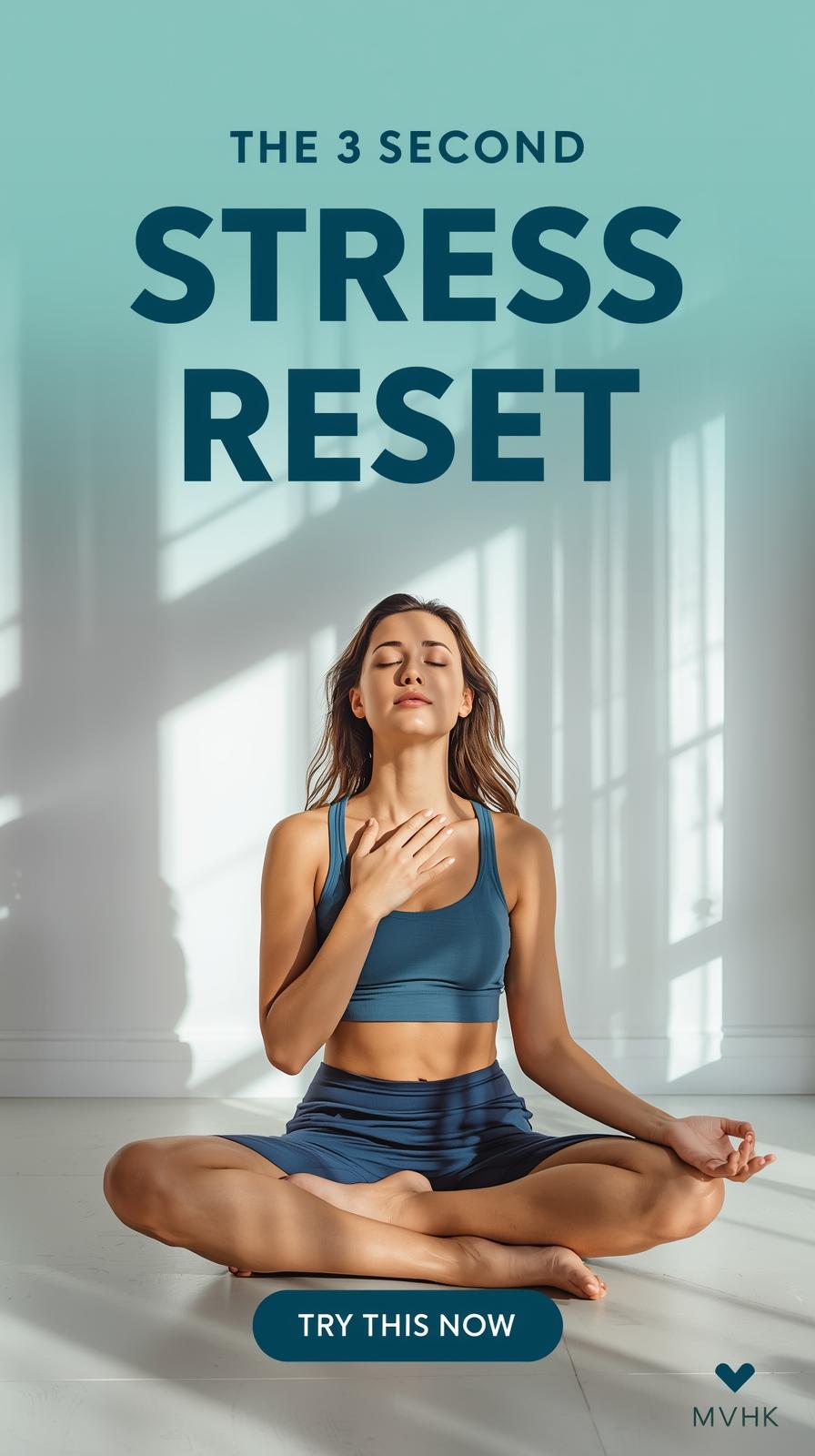
Mindfulness practices appear to lower cortisol levels and improve emotional resilience. In some ways, mindfulness acts as a form of mental hormesis. Focused attention challenges the brain in productive ways that may strengthen stress regulation over time.
Breathwork, yoga, and mobility sessions also improve body awareness. That often translates into better movement mechanics and fewer overuse injuries.
Staying Active During Injuries
Injuries do not eliminate the need for movement.
They simply change the strategy.
One of the fastest ways to lose conditioning is complete inactivity after minor injuries. Smart modifications often allow people to maintain cardiovascular fitness and strength while protecting healing tissues.
Low-impact cardio like biking or elliptical training may reduce joint stress while preserving endurance. Resistance bands and bodyweight movements can maintain muscle activation without excessive loading.
This is where working with a physical therapist or qualified trainer becomes valuable.
Adaptation matters more than perfection.
Practical Application
If your goal is long-term healthspan, focus on building a routine you can sustain for decades.
A balanced weekly structure might include:
- 4–5 days of outdoor movement
- 2–4 resistance training sessions
- 1–2 mobility or yoga sessions
- Short high-intensity intervals once or twice weekly
- Daily walking and general movement
The best exercise plan is rarely the most extreme one.
It is the one you continue doing consistently.
Disclosure: affiliate link. I earn a small commission at no additional cost to you if you purchase through this link.
Limitations & Risks
Exercise is powerful, but more is not always better.
Excessive high-intensity training without recovery can increase injury risk, hormonal dysfunction, chronic fatigue, and overtraining symptoms.
People with cardiovascular disease, metabolic disorders, orthopedic injuries, or chronic illness should consult a healthcare professional before beginning aggressive exercise programs.
Cold exposure, fasting, and other hormetic stressors may also be inappropriate for some individuals.
Longevity strategies should improve function and quality of life, not create additional physical stress.
Realistic Expectations
Exercise cannot compensate for poor sleep, chronic overeating, smoking, or severe chronic stress.
But regular movement dramatically improves the odds of aging well.
The benefits are cumulative.
You may notice improved energy and mood within weeks. Muscle gain, metabolic improvements, and cardiovascular adaptation typically take longer.
Longevity is not built through short-term optimization.
It is built through repeatable habits.
Optional: Weekly Longevity Exercise Blueprint
Monday: Outdoor cardio + mobility
Tuesday: Resistance training + walking
Wednesday: Zone 2 cardio + yoga
Thursday: Resistance training + stretching
Friday: Outdoor recreational activity
Saturday: High-intensity intervals + recovery walk
Sunday: Long walk, yoga, or active recovery
FAQ
What is hormesis?
Hormesis is the biological process where small doses of stress trigger beneficial adaptation and resilience in the body.
Is walking enough for longevity?
Walking provides significant cardiovascular and metabolic benefits, especially when done consistently. However, adding resistance training helps preserve muscle mass and strength with aging.
How often should adults over 50 strength train?
Most adults benefit from resistance training at least 2–4 times weekly depending on recovery capacity and fitness level.
Is high-intensity exercise safe for older adults?
In many cases, yes, when properly programmed. Intensity should match fitness level, medical history, and recovery capacity.
Why is muscle important for longevity?
Muscle supports metabolism, mobility, balance, glucose regulation, injury prevention, and overall physical resilience.
References
Maddock JE, Frumkin H. Physical Activity in Natural Settings: An Opportunity for Lifestyle Medicine. Am J Lifestyle Med. 2024. doi:10.1177/15598276241253211.
Huiberts LM, Smolders KCHJ. Effects of vitamin D on mood and sleep in the healthy population: Interpretations from the serotonergic pathway. Sleep Med Rev. 2021 Feb;55:101379. PMID: 32987320. https://pubmed.ncbi.nlm.nih.gov/32987320/
The Effects of Different Exercise Intensities and Modalities on Cortisol Production in Healthy Individuals: A Review. Journal of Exercise and Nutrition. 2021;4(4). doi:10.53520/jen2021.103108.
Larsson L, Degens H, Li M, et al. Sarcopenia: Aging-Related Loss of Muscle Mass and Function. Physiol Rev. 2019 Jan 1;99(1):427-511. PMID: 30427277. https://pubmed.ncbi.nlm.nih.gov/30427277/
Sperling EL, Hulett JM, Sherwin LB, et al. The effect of mindfulness interventions on stress in medical students: A systematic review and meta-analysis. PLoS One. 2023 Oct 5;18(10):e0286387. PMID: 37796866. https://pubmed.ncbi.nlm.nih.gov/37796866/
Oh VKS, Sarwar A, Pervez N. The study of mindfulness as an intervening factor for enhanced psychological well-being in building the level of resilience. Front Psychol. 2022 Dec 21;13:1056834. PMID: 36619105. https://pubmed.ncbi.nlm.nih.gov/36619105/