Omega-3 Slowed Biological Aging on 3 Epigenetic Clocks in a 3-Year Trial
Key Takeaways
- A 3-year, 777-person, 5-country clinical trial published in Nature Aging found that 1g/day of omega-3 (EPA+DHA) slowed biological aging on three DNA methylation clocks: PhenoAge, GrimAge2, and DunedinPACE
- The biological age slowing effect was 2.9 to 3.8 months over the 3-year study period
- Effect was independent of gender, age, and BMI
- Vitamin D and exercise showed additive effects on PhenoAge — all three together produced the largest biological age slowing
- The study was co-authored by Steve Horvath, inventor of the original epigenetic clock
- Key caveat: this is a post-hoc epigenetic analysis of the DO-HEALTH trial, not its primary pre-registered outcome
- 4 months of biological age slowing over 3 years is modest — but may compound meaningfully over decades
The DO-HEALTH Trial and What It Measured
The DO-HEALTH trial enrolled 2,157 generally healthy adults aged 70 and older across five European countries: Switzerland, Austria, Germany, Portugal, and France. Participants were randomly assigned in a 2x2x2 factorial design to receive vitamin D (2,000 IU/day), omega-3 fatty acids (1g/day EPA+DHA from algae), a structured home exercise program (30 minutes of strength training, 3 times per week), or combinations of all three, over three years.
A subset of 777 participants had blood samples collected for epigenetic analysis at baseline and at two follow-up points. This subsample became the DO-HEALTH Bio-Age cohort, analyzed in a 2025 paper in Nature Aging. The epigenetic analysis was led by Heike A. Bischoff-Ferrari from the University of Zurich, with co-authorship from Steve Horvath, who built the original DNA methylation clock and now works at Altos Labs. Their analysis tracked four next-generation epigenetic clocks: PhenoAge, GrimAge, GrimAge2, and DunedinPACE.
What the Analysis Found
Omega-3 and biological aging: Participants taking 1g/day of omega-3 showed statistically significant slowing of biological aging on three of the four clocks: PhenoAge, GrimAge2, and DunedinPACE. The standardized effect sizes ranged from 0.16 to 0.32 units, translating to approximately 2.9 to 3.8 months of biological age slowing over the 3-year period. GrimAge (the original version) showed a trend in the same direction but did not reach statistical significance.
Additive effects: When combining omega-3 with vitamin D and exercise, the effects on PhenoAge were additive. All three interventions together produced the largest slowing effect — one of the first trials to demonstrate compounding effects from independent lifestyle and supplementation interventions on a biological aging biomarker.
Vitamin D alone also slowed PhenoAge and DunedinPACE. Exercise alone slowed PhenoAge and GrimAge2. The omega-3 effect was the most consistent across multiple clocks. The effect was independent of sex, baseline age, and body mass index — suggesting omega-3 benefited the full range of older adults in the study, not just a subgroup.
What These Clocks Measure
Understanding the significance of these results requires knowing what the clocks actually measure.
PhenoAge (developed by Morgan Levine and colleagues) was trained to predict chronological age and mortality risk simultaneously. Higher PhenoAge relative to calendar age is associated with increased risk of cardiovascular disease, cancer, and all-cause mortality.
GrimAge and GrimAge2 were developed by Steve Horvath and colleagues and specifically trained to predict time to death. GrimAge is considered one of the most clinically predictive epigenetic clocks currently available.
DunedinPACE measures the rate of biological aging, not a static age estimate. It tells you how fast you are aging right now. A DunedinPACE score above 1.0 means aging faster than average; below 1.0 means slower. That omega-3 moved three of these four clocks favorably is meaningful — these are the most validated biological aging tools in use today.
Why Omega-3 Might Slow Epigenetic Aging
The mechanisms are not fully established, but several are biologically plausible.
Anti-inflammatory signaling: EPA and DHA are precursors to resolvins, protectins, and maresins — lipid mediators that actively resolve inflammation rather than simply suppressing it. Chronic low-grade inflammation is one of the primary drivers of epigenetic aging. By resolving inflammation more efficiently, omega-3 may reduce the rate at which methylation marks accumulate in aging-associated patterns.
Mitochondrial health: DHA is essential for maintaining mitochondrial membrane fluidity. Age-related mitochondrial dysfunction contributes to oxidative stress, which in turn drives epigenetic drift. Cell membrane integrity: EPA and DHA maintain membrane fluidity in aging cells, supporting receptor signaling and reducing the cellular stress that contributes to epigenetic change over time.
Disclosure: affiliate link. I earn a small commission at no additional cost to you if you purchase through this link.
The Caveats
The epigenetic analysis was a post-hoc secondary analysis, not the pre-registered primary outcome of the DO-HEALTH trial. This means the omega-3 group assignment was randomized, but the decision to analyze epigenetic clocks as an outcome was made after the trial ended. This reduces the confirmatory strength compared to a trial where epigenetic age was the pre-specified primary hypothesis.
The effect size is modest. 2.9 to 3.8 months of biological age slowing over 3 years means roughly 1 to 1.5 months per year. Whether this translates into clinically meaningful differences in disease outcomes or longevity over a lifetime remains to be established in longer studies.
The study population was 70 and older, from European countries. Whether similar effects would occur in younger adults or different populations is unknown.
Food Sources and Supplement Considerations
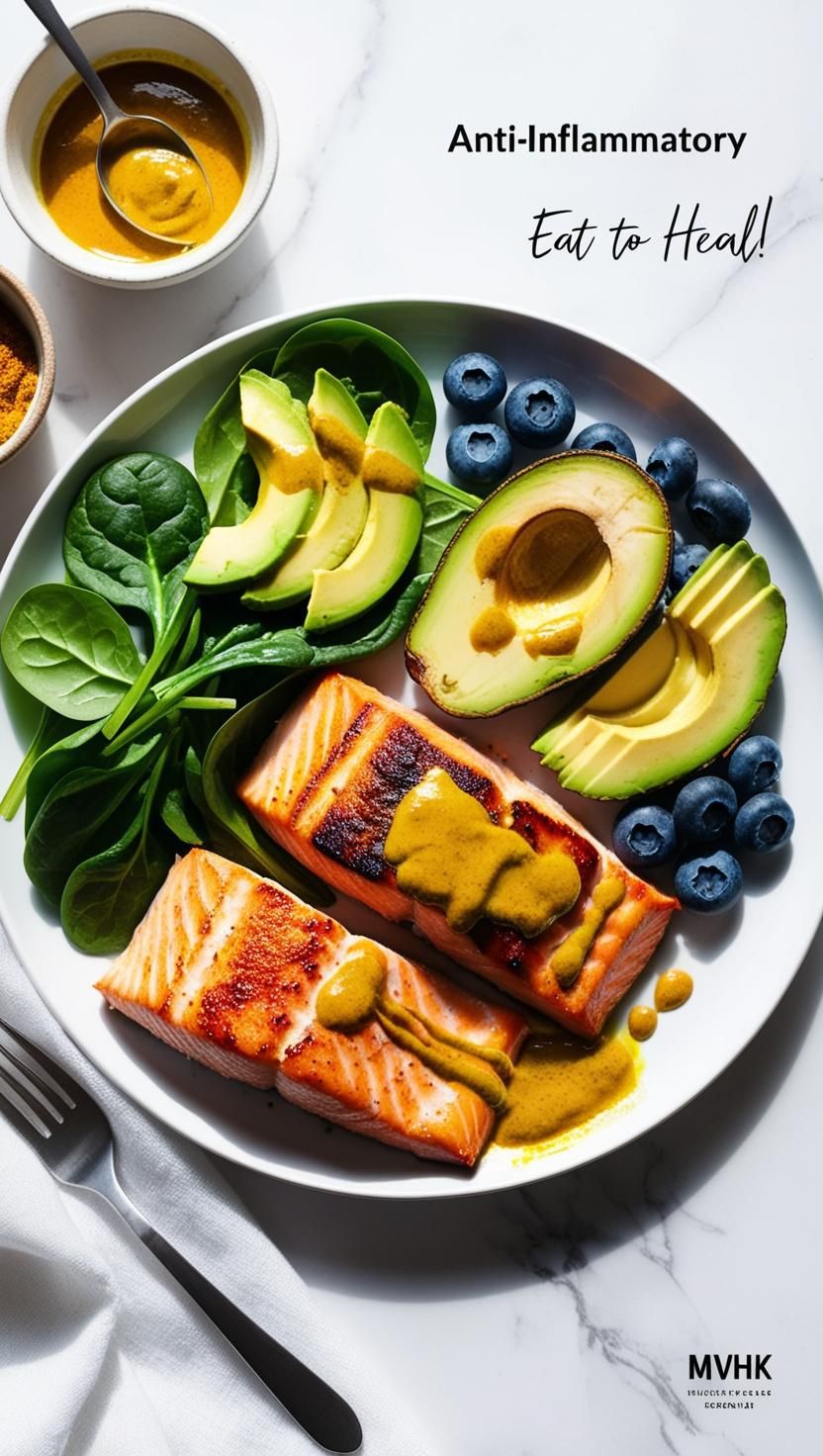
The DO-HEALTH trial used algae-derived EPA+DHA at 1g/day. Algae is where marine fish get their omega-3 — the fatty acid composition is identical to fish oil. For food-based intake: fatty fish twice per week provides approximately 500mg to 1g of EPA+DHA, depending on the species. The richest sources are salmon, sardines, mackerel, herring, and anchovies.
Plant sources like flaxseed and walnuts provide ALA (alpha-linolenic acid), which converts to EPA and DHA at roughly 5 to 10% efficiency. ALA supplementation is not equivalent to pre-formed EPA+DHA for most purposes.
Disclosure: affiliate link. I earn a small commission at no additional cost to you if you purchase through this link.
The Bottom Line
A 3-year, placebo-controlled trial in 777 adults aged 70 and older found that 1g/day of omega-3 (EPA+DHA) slowed biological aging by 2.9 to 3.8 months across three validated DNA methylation clocks. The effect was consistent across subgroups and additive with vitamin D and exercise. Published in Nature Aging, February 2025, co-authored by Steve Horvath.
The effect size is modest in isolation. Over a lifetime of consistent supplementation, modest annual reductions in biological aging rate may compound into meaningful differences. The intervention is inexpensive, low-risk, and widely accessible — and it works even better when combined with vitamin D and regular exercise.
FAQ
What omega-3 supplement was used in the DO-HEALTH trial?
The trial used 1 gram per day of EPA and DHA combined, sourced from algae-based omega-3. Algae is where marine fish get their EPA and DHA — the fatty acid profile is identical to fish-derived omega-3.
What is DunedinPACE and why does it matter?
DunedinPACE measures how fast you are currently aging — a rate, not a static age. A score of 1.0 is average. Higher means aging faster; lower means aging slower. It is one of the most clinically meaningful epigenetic clock measures for predicting future health outcomes.
Does fish oil have the same effect as algae omega-3?
Both contain EPA and DHA — the same biologically active fatty acids. The DO-HEALTH trial used algae-based omega-3, but fish oil contains the same compounds. Product quality, freshness, and EPA:DHA ratios vary across brands.
Can omega-3 replace exercise or vitamin D for aging benefits?
No. The trial showed they work through different or complementary mechanisms. The best outcomes on PhenoAge came from combining all three. Omega-3 alone was effective, but synergy with vitamin D and exercise made the effect stronger.
Can younger people benefit from this finding?
The DO-HEALTH trial only enrolled adults aged 70 and older. Whether the same effect would occur in people in their 40s or 50s is not known. Observational studies suggest omega-3 benefits on inflammation and cardiovascular risk span a wider age range.
Is 1g of omega-3 enough?
That is the dose that showed significant effects in this trial. It is roughly equivalent to 2 servings of fatty fish per week. Some researchers suggest higher doses for anti-inflammatory benefits, but 1g/day was sufficient to move biological age clocks in this study.
References
- Bischoff-Ferrari HA, Gängler S, Wieczorek M, et al. Individual and additive effects of vitamin D, omega-3 and exercise on DNA methylation clocks of biological aging in older adults from the DO-HEALTH trial. Nature Aging. 2025 Feb 3. DOI: 10.1038/s43587-024-00793-y. PMID: 39900648. PMC: PMC11922767. pubmed.ncbi.nlm.nih.gov/39900648
- Levine ME, Lu AT, Quach A, et al. An epigenetic biomarker of aging for lifespan and healthspan. Aging (Albany NY). 2018 Apr 18;10(4):573-591. PMID: 29676998. pubmed.ncbi.nlm.nih.gov/29676998
- Belsky DW, Caspi A, Corcoran DL, et al. DunedinPACE, a DNA methylation biomarker of the pace of aging. eLife. 2022 Apr 12;11:e73420. PMID: 35418289. pubmed.ncbi.nlm.nih.gov/35418289