VERVE-102: Could One Gene-Editing Infusion Replace Years of Cholesterol Treatment?
💡 Key Takeaways
• VERVE-102 uses base editing to permanently disable PCSK9 in the liver.
• Early data showed up to 88% reduction in PCSK9 and up to 62% LDL reduction.
• Effects remained durable for up to 18 months after a single infusion.
• The biggest opportunity is not lower LDL itself, but long-term prevention without ongoing treatment.
• Phase 2 and Phase 3 studies are still needed before approval.
Introduction
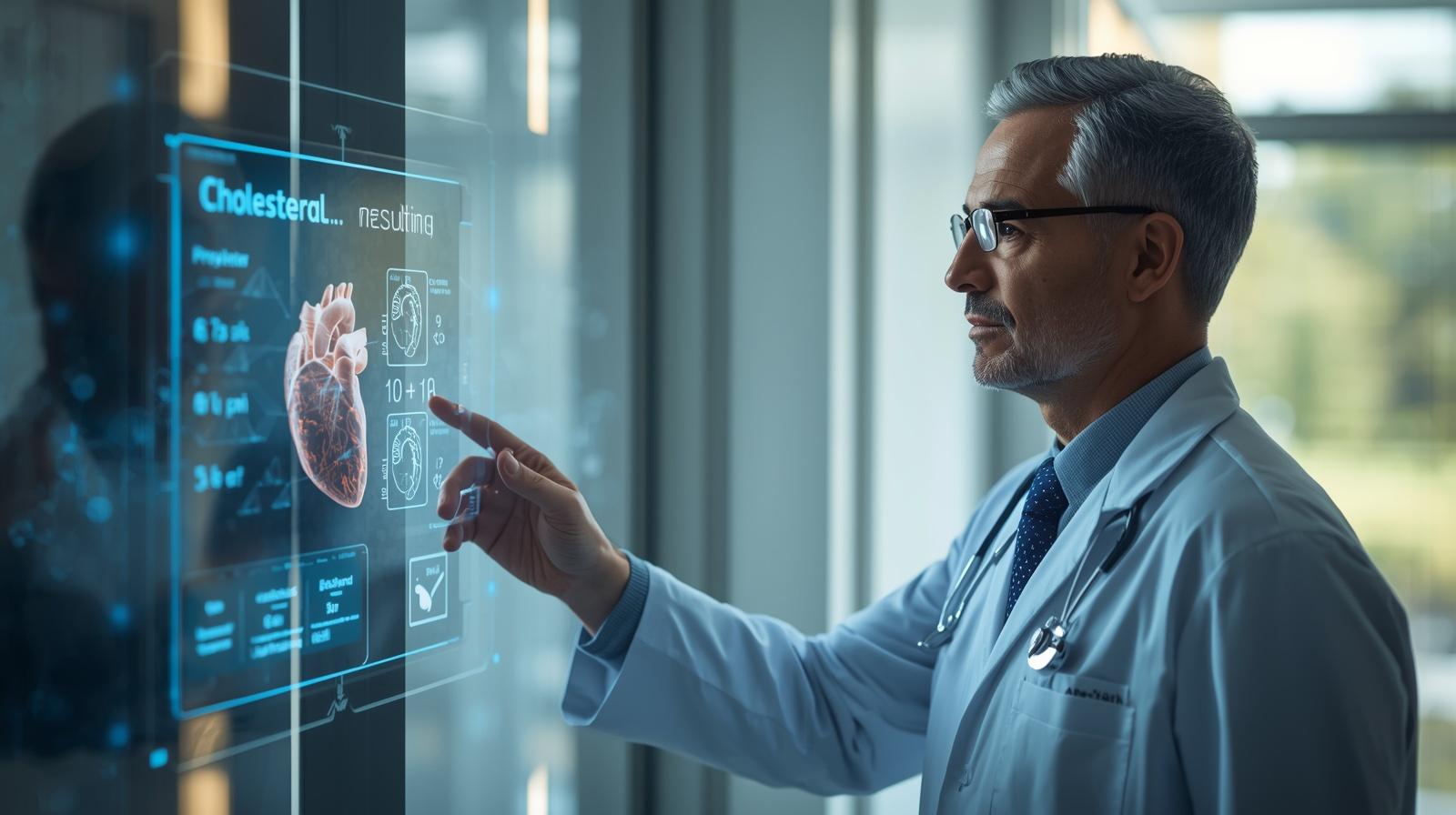
VERVE-102 is one of the most closely watched cardiovascular therapies in development. Instead of requiring daily pills or repeated injections, it aims to reduce LDL cholesterol through a one-time gene-editing treatment.
In a Phase 1b study involving 35 patients with familial hypercholesterolemia or premature coronary artery disease, researchers reported dose-dependent reductions in PCSK9 and LDL cholesterol after a single intravenous infusion. The highest dose achieved an 88% reduction in circulating PCSK9 and a 62% reduction in LDL cholesterol. Effects remained durable through available follow-up.
Disclosure: affiliate link. I earn a small commission at no additional cost to you if you purchase through this link.
Why PCSK9 Matters
PCSK9 regulates how many LDL receptors remain active on liver cells.
When PCSK9 activity is lower:
• More LDL receptors survive
• More LDL particles are removed from blood
• LDL cholesterol falls
The target is already validated by human genetics. Individuals born with loss-of-function PCSK9 variants tend to have lower LDL levels and substantially lower coronary heart disease risk.
How VERVE-102 Works
VERVE-102 is not a traditional drug.
The therapy delivers an adenine base editor and guide RNA directly into liver cells using lipid nanoparticles. The goal is to permanently disrupt the PCSK9 gene.
If successful, liver cells continuously produce less PCSK9 without ongoing treatment.
How It Compares With Current Options
Today most patients rely on:
• Statins (daily)
• Ezetimibe (daily)
• PCSK9 antibodies such as Repatha (every 2–4 weeks)
• Inclisiran/Leqvio (twice yearly)
The key difference:
Current therapies suppress PCSK9.
VERVE-102 attempts to switch it off permanently.
That distinction could eventually transform adherence and long-term prevention.
The Most Important Insight
Many people focus on the 62% LDL reduction.
That is not the most interesting result.
Cardiologists can already achieve similar LDL reductions using combinations of statins, ezetimibe, and PCSK9 therapies.
The real innovation is demonstrating that in vivo gene editing may work against a common chronic disease rather than a rare genetic disorder.
If confirmed, VERVE-102 may represent a platform shift rather than simply another cholesterol drug.
Practical Application
For now, VERVE-102 is not available outside clinical research.
Patients concerned about cardiovascular risk should focus on:
• ApoB testing
• LDL optimization
• Blood pressure control
• Exercise
• Body composition
• Smoking avoidance
• Evidence-based lipid-lowering therapy
Disclosure: affiliate link. I earn a small commission at no additional cost to you if you purchase through this link.
Limitations & Risks
Several limitations remain:
• Only 35 patients in interim analysis
• Phase 1 studies focus primarily on safety
• Long-term off-target editing risk remains uncertain
• Cardiovascular outcomes have not yet been proven
• Permanent DNA changes require years of monitoring
Realistic Expectations
The therapy may enter Phase 2 shortly, but widespread availability remains years away.
Even under optimistic assumptions:
• Phase 2: approximately 2–3 years
• Phase 3: approximately 3–5 years
• Regulatory review: 1–2 years
A commercial launch before the end of the decade would likely require exceptionally positive results.
Optional: Action Plan
- Know your LDL and ApoB.
- Address major risk factors first.
- Follow developments in PCSK9 biology.
- View VERVE-102 as a future possibility, not a current solution.
- Avoid treating early-stage biotechnology as guaranteed success.
FAQ
Is VERVE-102 approved?
No. It remains an investigational therapy.
How much did LDL drop?
Up to 62% at the highest tested dose.
Could it replace statins?
Possibly for some patients in the future, but it is far too early to know.
Is the effect permanent?
That is the goal, but human data currently extend only to limited follow-up periods.
References
Musunuru K, et al. In Vivo Base Editing of PCSK9 with VERVE-102 for Hypercholesterolemia. N Engl J Med. 2026.
PubMed: Pending publication indexing.
https://www.nejm.org/doi/full/10.1056/NEJMoa2601283
Cohen JC, Boerwinkle E, Mosley TH Jr, Hobbs HH. Sequence Variations in PCSK9, Low LDL, and Protection Against Coronary Heart Disease. N Engl J Med. 2006;354(12):1264-1272. PMID: 16554528
https://pubmed.ncbi.nlm.nih.gov/16554528/
Hobbs HH, Cohen JC, Horton JD. PCSK9: From Nature’s Loss to Patient’s Gain. Circulation. 2024. PMID: 38227713
https://pubmed.ncbi.nlm.nih.gov/38227713/