Science-Based Biohacking for Longevity
Daily evidence-based insights helping you live stronger, longer, and sharper.
-

Does Omega-3 Supplementation Slow Biological Aging?
Read more: Does Omega-3 Supplementation Slow Biological Aging?💡 Key Takeaways Most claims about omega-3 and biological aging are exaggerated. Omega-3s—specifically EPA and DHA—do influence processes tied to aging, especially inflammation. But slowing “biological age” in a measurable way is far less certain. If you’re already taking fish oil, the real question isn’t whether it’s “good”—it is. The question is whether it meaningfully…
-
Exercise and Biological Age: The Most Proven Longevity Intervention
Read more: Exercise and Biological Age: The Most Proven Longevity Intervention💡 Key Takeaways IntroductionExercise is the most validated lifestyle intervention associated with reduced biological aging. Large-scale meta-analyses show a consistent link between higher physical activity and lower DNA methylation age, a key marker of aging at the cellular level. What I Use Track your activity with this fitness tracker to optimize your longevity routine View…
-

Do Kefir and Yogurt Provide Enough Probiotics for Longevity?
Read more: Do Kefir and Yogurt Provide Enough Probiotics for Longevity?💡 Key Takeaways Introduction Kefir and yogurt are often considered “enough” for gut health. But this assumption oversimplifies microbiome science. The reality is that probiotic impact depends on strain diversity, survival through digestion, and individual gut conditions—not just intake volume. What I Use For best results, use a high-quality kefir starter culture here View on…
-
Does Walking Really Slow Aging? The Science Explained
Read more: Does Walking Really Slow Aging? The Science Explained💡 Key Takeaways Introduction Walking is one of the most underrated longevity tools available today. Despite viral claims suggesting it can “rewrite your genetic code,” the real science is both more nuanced—and more powerful. When done consistently and at the right intensity, walking directly impacts the core biological systems that control aging. What I Use…
-
Zone 2 Cardio for Mitochondrial Longevity: The Most Underrated Fat-Burning and Aging Defense Strategy
Read more: Zone 2 Cardio for Mitochondrial Longevity: The Most Underrated Fat-Burning and Aging Defense Strategy💡 Key Takeaways Introduction Most people think harder workouts mean better results. That’s wrong. The real longevity secret? Training your body at a pace that feels almost too easy. Zone 2 cardio is where fat burning, mitochondrial growth, and metabolic health converge. It’s the foundation of endurance athletes—and now a core strategy in longevity science.…
-

AI-Discovered Anti-Aging Pill: Real Breakthrough or Hype?
Read more: AI-Discovered Anti-Aging Pill: Real Breakthrough or Hype?💡 Key Takeaways Introduction The idea of a $5 anti-aging pill discovered by artificial intelligence is spreading rapidly. The claim centers on screening 8 billion molecules to replicate cellular reprogramming without gene therapy. This represents a convergence of AI-driven discovery and epigenetic rejuvenation science. What I Use Try this clinically-backed NAD+ booster to support cellular…
-
Walking Speed After 40: The Hidden Biomarker of Brain Aging
Read more: Walking Speed After 40: The Hidden Biomarker of Brain Aging💡 Key Takeaways Introduction Walking speed is one of the most overlooked biomarkers in longevity science. After age 40, it becomes a powerful indicator of brain function, metabolic health, and overall biological age. What I Use Improve your walking performance with this weighted vest View on Amazon → Disclosure: affiliate link. I earn a small…
-
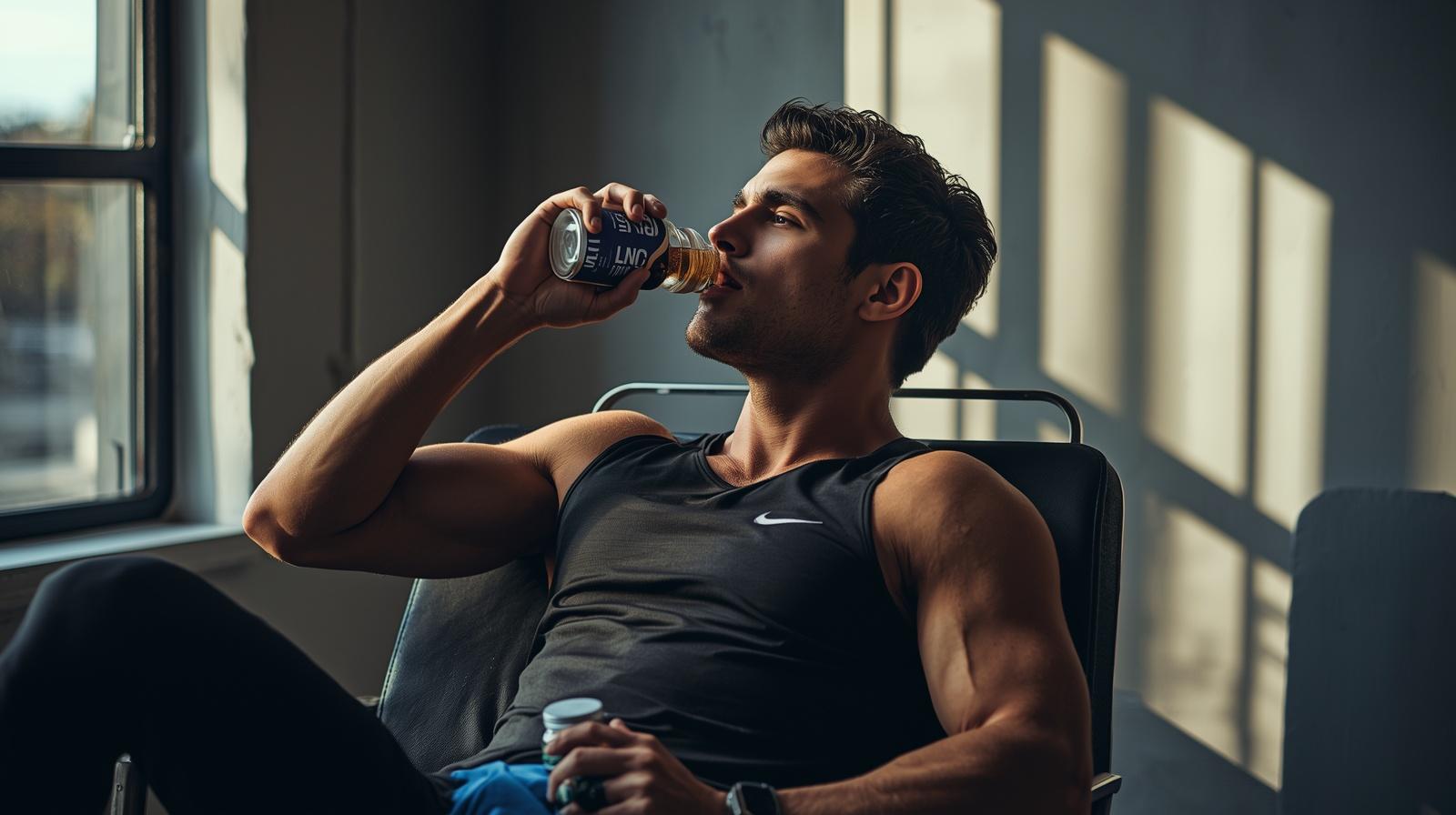
The Real Recovery System: Amino Acids, Minerals, and Oxidative Stress
Read more: The Real Recovery System: Amino Acids, Minerals, and Oxidative Stress💡 Key Takeaways Introduction Training is only the stimulus. Recovery is the adaptation. Most people believe they need more intensity, more volume, or more protein. But they are missing the real foundation: the biological systems that allow the body to repair, rebuild, and improve. Without that foundation, training simply creates damage without adaptation. What I…
-
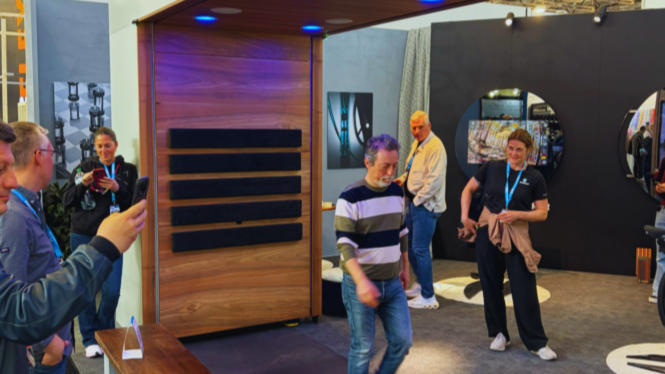
I Went to FIBO 2026
Read more: I Went to FIBO 2026I just got back from FIBO 2026. If you’ve ever been to something like this, you know the feeling. Huge halls, nonstop noise, and everywhere you look there’s something new. Cryo chambers, red light panels, recovery boots, oxygen masks measuring VO2 max, machines that promise better performance, better recovery, even longer life. It’s impressive. You…
-

LDL Cholesterol, Statins, and Longevity: What the Science Actually Says
Read more: LDL Cholesterol, Statins, and Longevity: What the Science Actually Says💡 Key Takeaways Introduction Confusion around cholesterol continues to mislead even health-conscious individuals. The biggest mistake? Mixing up total cholesterol with LDL and misunderstanding what low levels actually mean. What I Use Support your cholesterol levels with this high-quality Omega-3 supplement View on Amazon → Disclosure: affiliate link. I earn a small commission at no…