Science-Based Biohacking for Longevity
Daily evidence-based insights helping you live stronger, longer, and sharper.
-
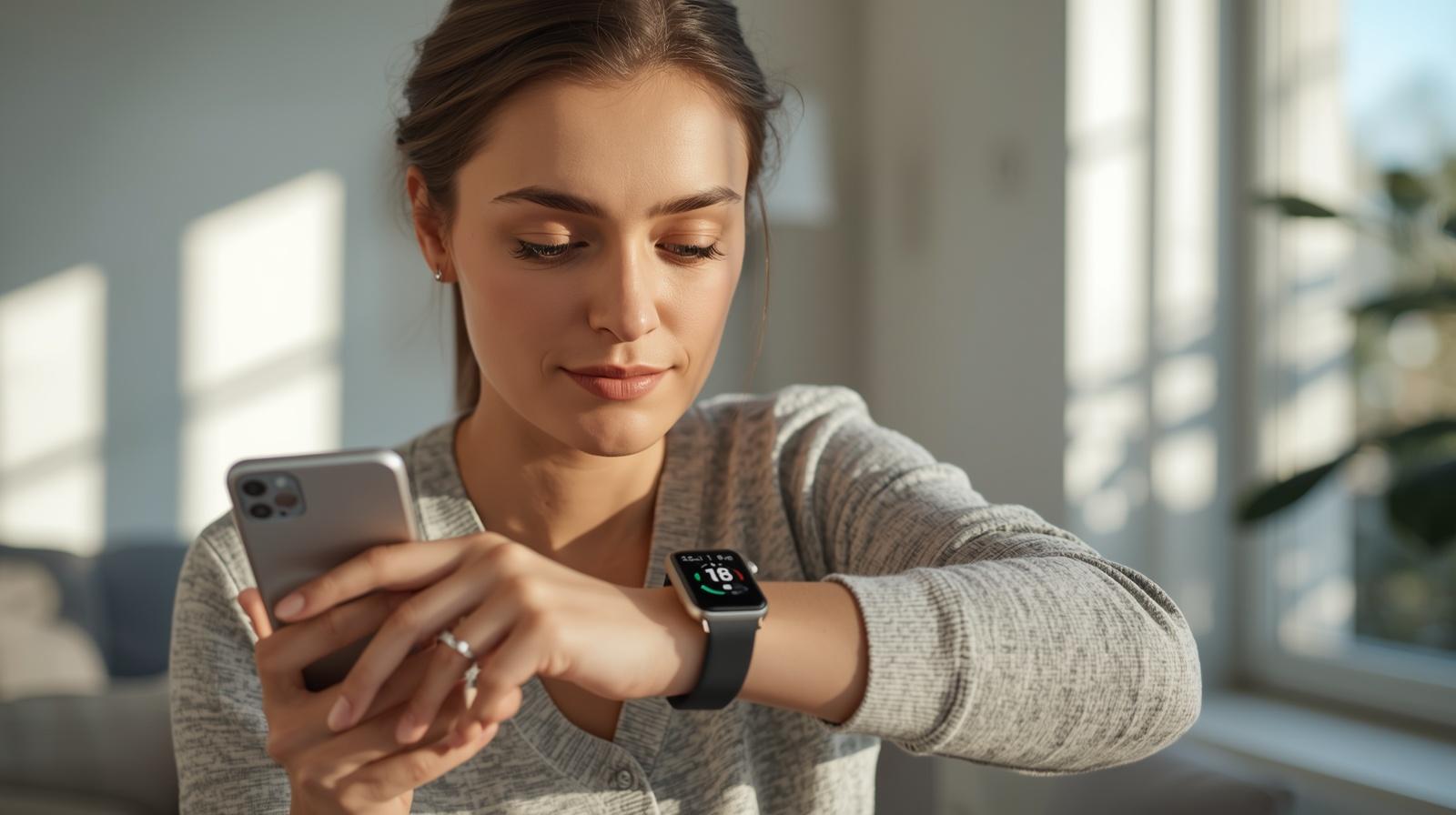
How to Choose the Right Wearable Based on Real Accuracy Data
Read more: How to Choose the Right Wearable Based on Real Accuracy Data💡 Key Takeaways Introduction Most people approach wearables incorrectly. They try to track everything, trust every metric, and expect medical-grade precision. That approach fails. Wearables are not diagnostic tools. They are behavioral feedback systems. The real strategy: choose the right device for the right metric—and ignore the rest. What I Use Check current price of…
-

Is Protein Powder Healthy?
Read more: Is Protein Powder Healthy?💡 Key Takeaways Introduction Protein powder has become one of the most widely used supplements in modern nutrition. From fitness enthusiasts to aging adults, it’s marketed as essential. But is it actually healthy—or just convenient? The answer depends on dosage, quality, and metabolic context. What I Use Check the cleanest protein powder here View on…
-
Watercress Longevity Benefits Backed by Science
Read more: Watercress Longevity Benefits Backed by ScienceIntroduction In a 2007 randomized controlled trial at the University of Ulster, 30 healthy adults ate 85 grams of raw watercress daily for 8 weeks. At the end of the trial, their lymphocyte DNA damage â measured by the comet assay â had dropped by 22.9 percent. That’s not a press release. That’s a peer-reviewed…
-
EMS Training for Muscle Growth and Longevity
Read more: EMS Training for Muscle Growth and Longevity💡 Key Takeaways Introduction Strapping electrodes onto your body and triggering muscle contractions without lifting heavy weights sounds like a shortcut—but biology rarely rewards shortcuts. Electro Muscle Stimulation (EMS) training is gaining traction as a “high-efficiency” workout, promising strength gains in minimal time. The real question is whether this method meaningfully improves muscle preservation, a…
-
Cold Exposure for Focus, Dopamine, and Longevity
Read more: Cold Exposure for Focus, Dopamine, and Longevity💡 Key Takeaways Introduction Cold exposure is often marketed as a “dopamine hack,” but that framing misses the biology. The real value lies in how controlled cold stress reshapes your nervous system over time. Yes—cold water can spike dopamine significantly. But that doesn’t automatically translate into better cognition, decision-making, or long-term brain performance. The longevity…
-
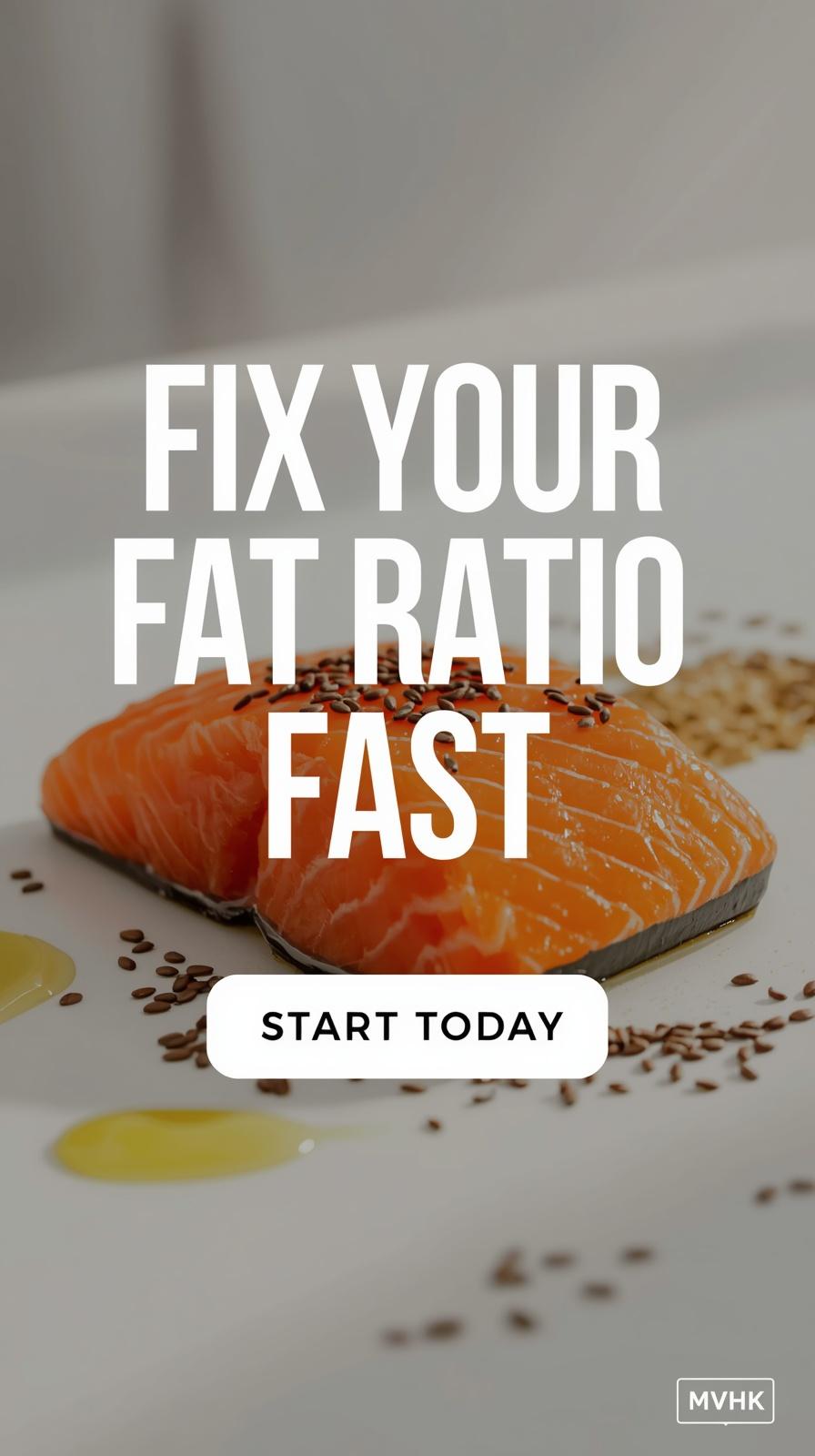
How to Fix Your Omega Fat Ratio for Longevity
Read more: How to Fix Your Omega Fat Ratio for Longevity💡 Key Takeaways The modern Western diet averages a 20:1 omega-6 to omega-3 ratio. Evolutionary evidence suggests optimal is 1:1–4:1. The VITAL trial (1g/day) failed to show benefit. REDUCE-IT (4g/day pure EPA) showed 25% reduction in major cardiovascular events. Dose was the difference. The Omega-3 Index measures EPA+DHA as a percentage of red blood cell…
-

Fasting, NAD, and Sirtuins: A Cellular Longevity Strategy
Read more: Fasting, NAD, and Sirtuins: A Cellular Longevity Strategy💡 Key Takeaways Introduction Three meals per day feels normal—but biologically, it’s an anomaly. Human metabolism evolved under intermittent food scarcity, not constant intake. Yet modern eating patterns suppress key longevity pathways, especially those tied to cellular repair and gene regulation. Fasting, as studied by David Sinclair, is not just about caloric restriction—it’s about restoring…
-
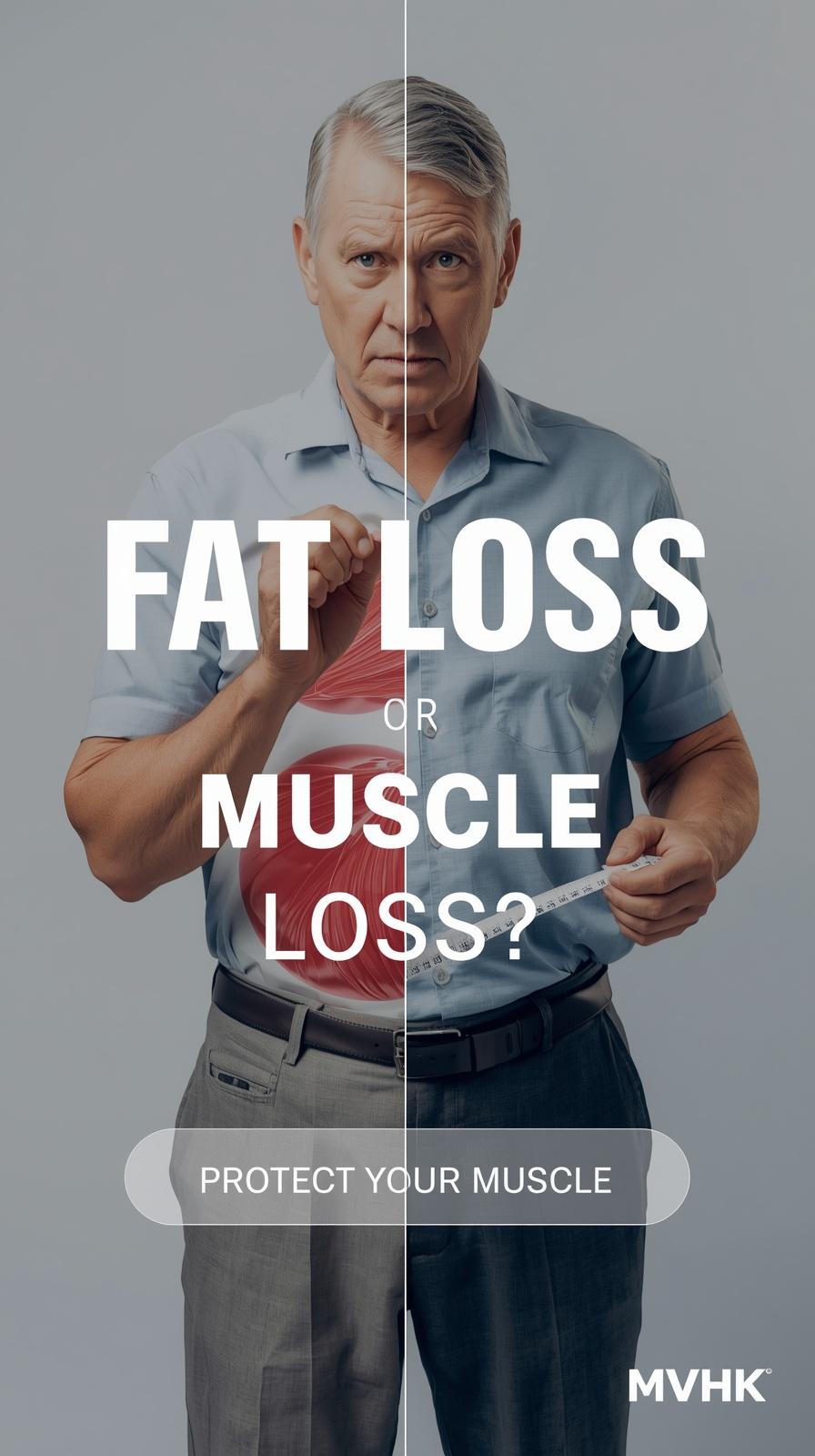
GLP-1 Weight Loss and Muscle Loss: The Hidden Longevity Risk
Read more: GLP-1 Weight Loss and Muscle Loss: The Hidden Longevity Risk💡 Key Takeaways Introduction GLP-1 receptor agonists like Ozempic and Wegovy are reshaping obesity treatment—but there’s a critical biological trade-off that rarely gets attention: what kind of weight are you actually losing? The focus is almost entirely on total weight reduction. But from a longevity perspective, that’s the wrong metric. Emerging data suggests that a…
-
Stress Mindset: How Beliefs Rewire Your Biology
Read more: Stress Mindset: How Beliefs Rewire Your Biology💡 Key Takeaways Introduction The conventional model treats stress as inherently harmful—but that assumption is biologically incomplete. Research from Stanford psychologist Alia Crum shows that stress mindset—your belief about stress—directly shapes how your body responds at a cellular and systemic level. This isn’t motivational framing. It’s a measurable physiological shift. When stress is perceived as…
-
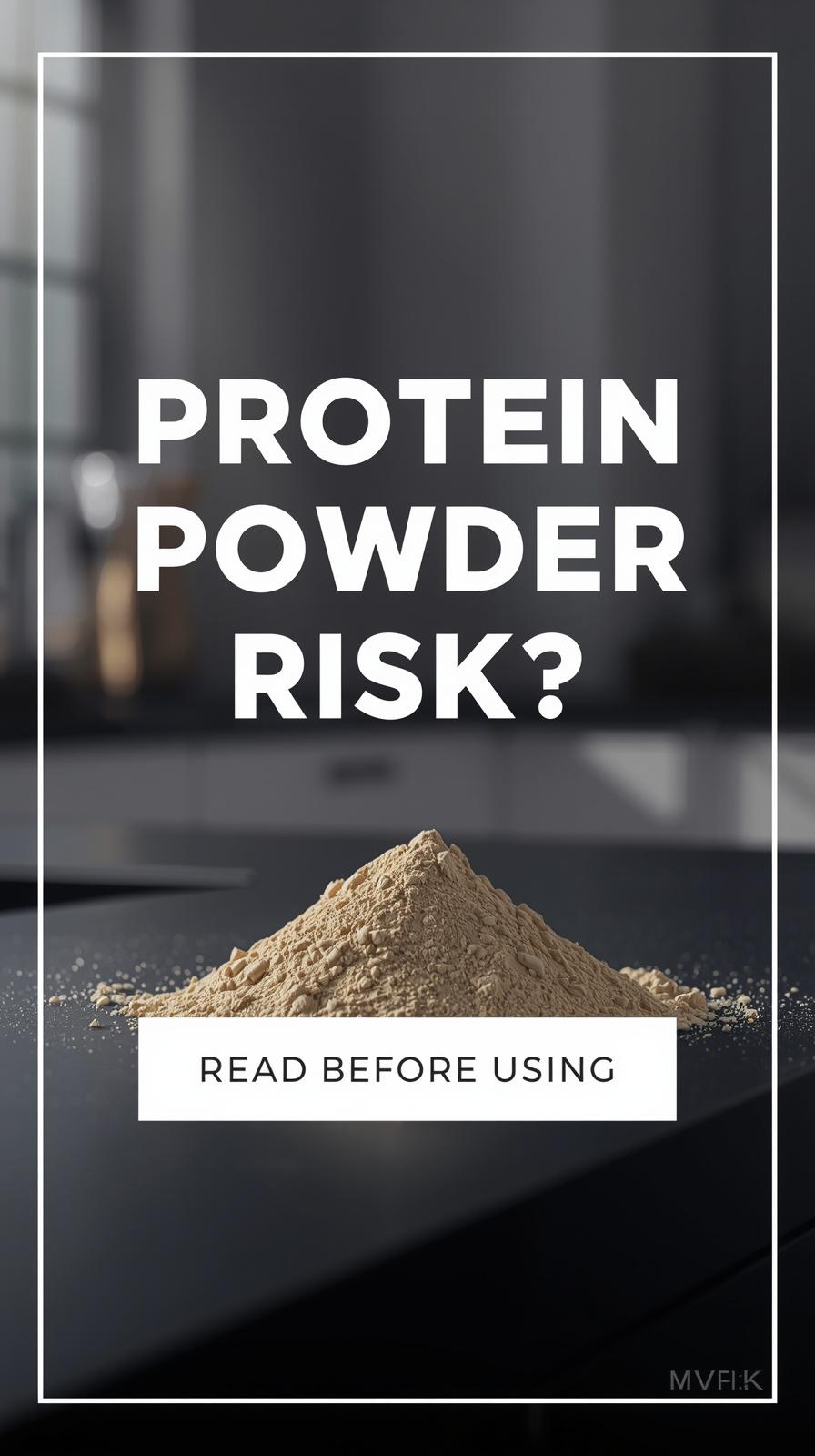
Protein Powder Heavy Metal Risk: What Actually Matters
Read more: Protein Powder Heavy Metal Risk: What Actually Matters💡 Key Takeaways Introduction Daily protein shakes are often framed as a health upgrade—but the biology is more complicated. A recent investigation by Consumer Reports found that many protein powders contain detectable levels of lead and other heavy metals. This doesn’t mean protein powders are “toxic.” It means exposure is real, variable, and cumulative—three factors…