Fasting, NAD, and Sirtuins: A Cellular Longevity Strategy
💡 Key Takeaways
- Fasting increases NAD⁺, a critical cofactor for cellular repair
- Sirtuins regulate gene expression and slow epigenetic aging
- Autophagy removes damaged proteins after prolonged fasting
- Proper nutrient status is required to avoid long-term risk
- Strategic fasting improves metabolic flexibility and resilience
Introduction
Three meals per day feels normal—but biologically, it’s an anomaly.
Human metabolism evolved under intermittent food scarcity, not constant intake. Yet modern eating patterns suppress key longevity pathways, especially those tied to cellular repair and gene regulation.
Fasting, as studied by David Sinclair, is not just about caloric restriction—it’s about restoring intracellular signaling systems that degrade with age.
One of the most critical is NAD⁺ (nicotinamide adenine dinucleotide), a molecule that declines significantly by midlife. This decline directly impairs sirtuins—proteins responsible for maintaining cellular identity and genomic stability.
The result: accelerated aging at the epigenetic level.
Fasting interrupts that trajectory.
Disclosure: affiliate link. I earn a small commission at no additional cost to you if you purchase through this link.
What Is the Science Behind Fasting, NAD, and Sirtuins?
Fasting directly increases NAD⁺ availability, which activates sirtuins and enhances cellular repair pathways.
Evidence-supported mechanisms:
1. NAD⁺ Restoration
NAD⁺ is essential for mitochondrial energy production and DNA repair. Studies in Cell and Nature show that fasting increases the NAD⁺/NADH ratio, signaling a low-energy state that triggers survival pathways.
2. Sirtuin Activation (SIRT1, SIRT3)
Sirtuins depend on NAD⁺ to function. Once activated, they:
- Stabilize DNA
- Regulate inflammation
- Preserve epigenetic information
(Nature Reviews Molecular Cell Biology)
3. Autophagy Induction
After ~24–72 hours of fasting, autophagy accelerates.
Chaperone-mediated autophagy (CMA), which targets damaged proteins, becomes significant around 48–72 hours.
(Cell Metabolism, NEJM)
4. Mitochondrial Efficiency
Fasting enhances mitochondrial biogenesis and reduces oxidative stress—key drivers of aging.
Hypothesis-supported mechanisms:
Epigenetic Preservation
Sinclair’s work suggests sirtuins help maintain the “epigenetic landscape,” preventing cells from losing identity over time.
While promising, this remains under active investigation.
How Do You Apply Fasting Correctly?
Fasting must be structured progressively to avoid metabolic stress or nutrient deficiencies.
Week-by-Week Protocol:
Week 1: Time-Restricted Eating (12–14h fast)
- Example: 8pm → 10am
- Focus: stabilize blood glucose
Week 2: Extend to 16:8
- Example: 8pm → 12pm
- Begin metabolic switching (glucose → fat)
Week 3: 18–20h fasting window (select days)
- Mimics Sinclair’s daily pattern (skip breakfast)
- Increases NAD⁺ signaling
Week 4: Optional 24h fast (1x/week)
- Deepens autophagy activation
Disclosure: affiliate link. I earn a small commission at no additional cost to you if you purchase through this link.
Extended Fasting (Advanced Only):
- 48–72 hours once per month
- Targets deeper autophagy (CMA activation)
⚠️ Critical requirement:
You must already meet:
- Protein intake
- Micronutrient sufficiency
- Electrolyte balance
Without this, fasting accelerates decline—not longevity.
What Advanced Strategies Improve Results?
Fasting becomes significantly more effective when combined with precision tracking and metabolic alignment.
1. Stack With Exercise
- Fasted Zone 2 cardio → boosts mitochondrial output
- Resistance training → preserves muscle
2. Monitor Biomarkers
Track:
- Fasting insulin
- HbA1c
- CRP (inflammation)
- NAD⁺ proxies (research setting)
3. Circadian Optimization
Align eating window with daylight:
- Improves insulin sensitivity
- Reduces metabolic strain
4. Use Wearables
Devices like WHOOP or Oura help track:
- Recovery
- HRV
- Sleep quality during fasting cycles
What Results Can You Realistically Expect?
Short-term (1–2 weeks):
- Improved insulin sensitivity
- Reduced hunger signaling
- Stable energy levels
Medium-term (4–8 weeks):
- Lower inflammation markers
- Improved metabolic flexibility
- Better cognitive clarity
Long-term (3–6 months):
- Slower biological aging markers (emerging data)
- Reduced risk of metabolic disease
Anti-Hype Reality:
- Fasting is not a magic switch
- Benefits depend on consistency + nutrition
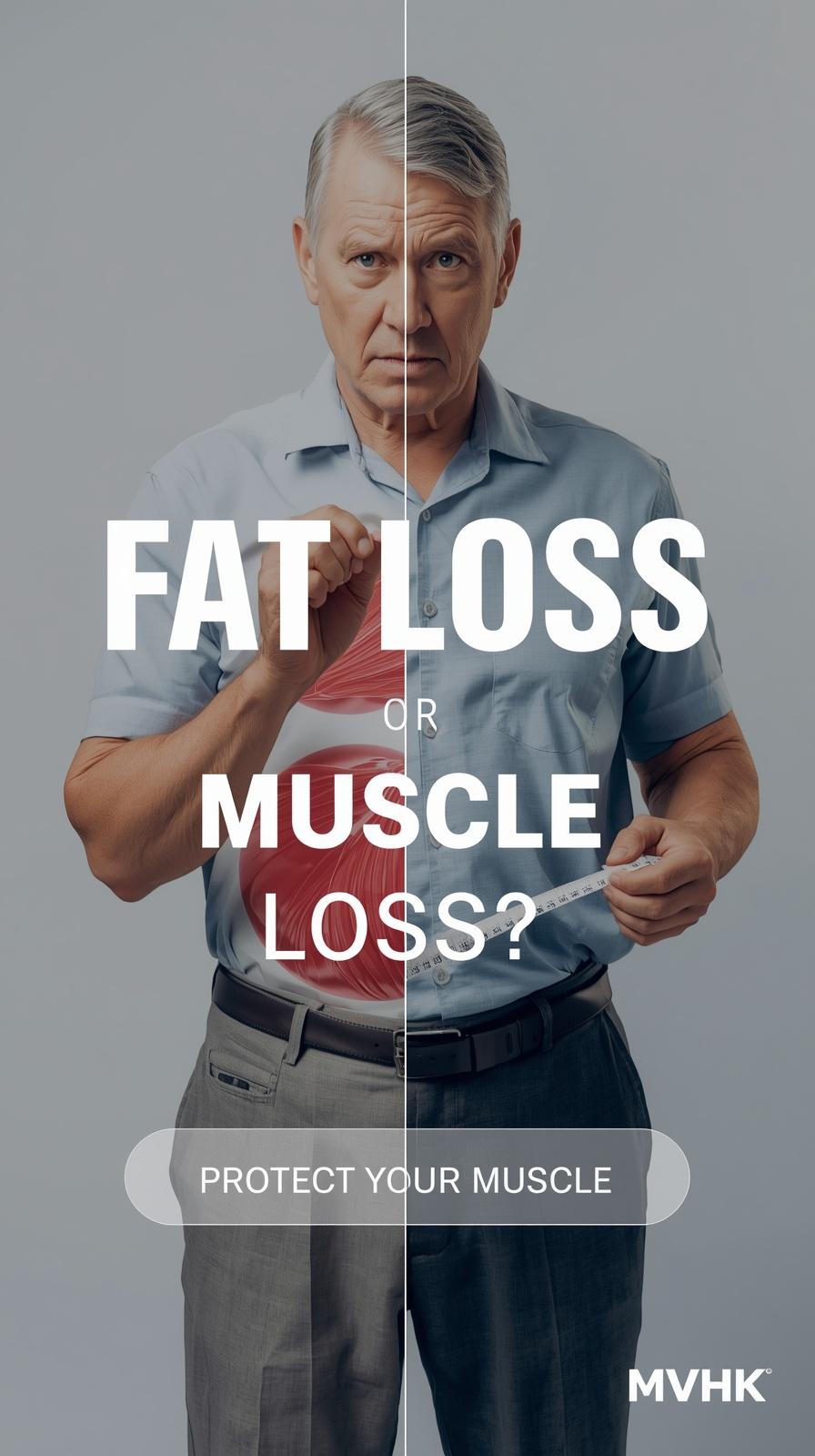
- Over-fasting can reduce muscle mass and thyroid output
4-Week Practical Action Plan
Week 1:
- 12-hour fasting window daily
- Eliminate late-night eating
Week 2:
- Shift to 16:8
- Increase protein intake
Week 3:
- Add 1–2 longer fasts (18–20h)
- Begin light fasted cardio
Week 4:
- Optional 24-hour fast
- Evaluate recovery + sleep
Frequently Asked Questions
1. Does fasting slow metabolism?
Short-term fasting does not significantly reduce metabolic rate. Prolonged calorie restriction may, but intermittent fasting typically preserves metabolic function.
2. Is breakfast really unnecessary?
There’s no biological requirement for breakfast. Meal timing matters less than total nutrition and metabolic alignment.
3. Can fasting increase longevity in humans?
Direct evidence is still limited, but strong animal and mechanistic data support its role in extending healthspan.
4. Who should NOT fast?
Pregnant women, underweight individuals, and those with metabolic or hormonal disorders should avoid fasting without supervision.
5. Does coffee break a fast?
Black coffee does not significantly disrupt fasting benefits and may enhance fat oxidation.
References
- Cell Metabolism (Autophagy and fasting)
- Nature Reviews Molecular Cell Biology (Sirtuins)
- NEJM (Caloric restriction and aging)
- PubMed: NAD⁺ metabolism and aging
- Lancet (Metabolic disease prevention)