Urolithin A and Immune Aging: What a 2025 Nature Aging Trial Actually Found
Key Takeaways
- A randomized trial published in Nature Aging tested 1,000 mg of urolithin A daily in 50 adults aged 45 to 70 for 4 weeks
- Urolithin A shifted CD8+ T cells toward a younger, less exhausted profile and increased their mitochondrial energy capacity
- Inflammatory markers including IL-6, TNF, and IL-1β decreased significantly in the urolithin A group
- NK cell counts increased; immune cells cleared bacterial particles more effectively in functional tests
- Only about 40 percent of people produce meaningful urolithin A from food — the rest need a supplement
- Important caveat: 50 participants, 4 weeks — larger and longer trials are needed to confirm clinical outcomes
The Problem With Aging Immune Cells
Your immune system does not just defend you against infections. It patrols for cancer cells, manages inflammation, and clears cellular debris. The quality of that surveillance deteriorates steadily with age. This decline has a name: immunosenescence.
Two things happen in parallel as you get older. The naive T cells that can recognize new threats diminish. At the same time, exhausted and senescent immune cells accumulate. These old, stuck cells are not just ineffective. They actively drive chronic inflammation by releasing a constant low-level stream of pro-inflammatory cytokines. Researchers call this inflammaging. It is a background fire that burns quietly for decades, raising the risk of cardiovascular disease, cognitive decline, cancer, and metabolic dysfunction.
The mechanism underlying much of this decline is mitochondrial. As mitochondria in immune cells age and accumulate damage, the cells lose their energy capacity and their ability to function normally. The cellular cleanup process that should clear out those damaged mitochondria, called mitophagy, slows with age. Damaged mitochondria pile up. Immune cells deteriorate. No drug targets this specifically. Until recently, no supplement had been shown to do so in a human randomized trial either.
What Urolithin A Is
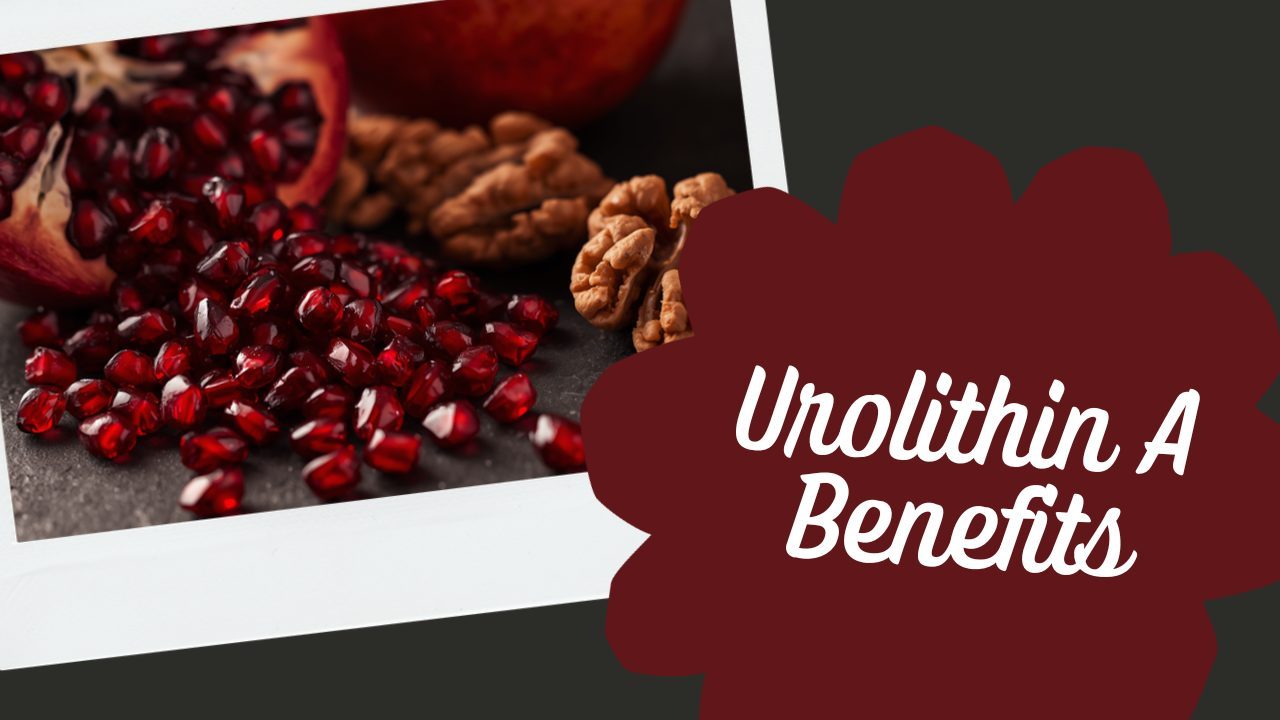
Urolithin A is a compound belonging to the urolithin family. It is produced when gut bacteria metabolize ellagitannins, the polyphenolic compounds found naturally in pomegranates, walnuts, and certain berries. In vitro and animal studies established years ago that urolithin A is a potent inducer of mitophagy, essentially signaling cells to clear out dysfunctional mitochondria and replace them with healthier ones.
Here is the catch most people don’t know: you cannot reliably get urolithin A from food, even if you eat pomegranates every day. Research shows that only around 40 percent of people have the gut microbiome composition needed to convert ellagitannins into meaningful amounts of urolithin A. The other 60 percent produce little to none, regardless of diet. That is why most research uses Mitopure, a purified form of urolithin A that delivers the compound directly without requiring the microbiome conversion step.
The MitoImmune Trial
The study was a single-center, randomized, double-blind, placebo-controlled trial conducted at Georg-Speyer-Haus and Goethe University Frankfurt, led by Dominic Denk and supervised by principal investigator Florian Greten. It enrolled 50 healthy adults between 45 and 70 years of age. Participants received either 1,000 mg of urolithin A (Mitopure) or placebo daily for 4 weeks. The focus was specifically on immune aging: CD8+ T cell populations, NK cell counts, mitochondrial function in immune cells, and circulating inflammatory markers.
The results, published in Nature Aging in November 2025, showed consistent and statistically significant changes across multiple immune parameters in the urolithin A group.
What the Trial Found
CD8+ T cells are the immune system’s cytotoxic killers. They identify and destroy infected cells, cancer cells, and senescent cells. With age, the balance within the CD8+ pool shifts: naive cells that can respond to new threats decline, while terminally exhausted cells that are no longer functional accumulate.
After 4 weeks of urolithin A supplementation, the MitoImmune trial found that naive-like, less exhausted CD8+ T cells increased significantly. The proportion of terminally exhausted CD8+ cells dropped. Mitochondrial fatty acid oxidation capacity in CD8+ cells improved, meaning the cells had more energy available to do their job. NK cell counts also increased. At the same time, circulating inflammatory markers fell. IL-6, TNF, and IL-1β, three of the best-established drivers of inflammaging, all decreased in the urolithin A group relative to placebo.
As Florian Greten summarized it: “Urolithin A expanded peripheral naive-like, less terminally exhausted CD8+ cells while also increasing CD8+ fatty acid oxidation capacity.” The immune cells were not just present in larger numbers. They were more functional.
One additional experiment within the trial tested whether the immune cells actually performed better. Researchers exposed participant immune cells to heat-killed E.coli particles to simulate bacterial infection. The cells from the urolithin A group cleared the bacterial particles more effectively than those from the placebo group. This is a functional readout that goes beyond surface marker changes.
Why Mitophagy Matters Here
The proposed mechanism connects the mitochondrial effects to the immune effects through mitophagy. Urolithin A activates PINK1/Parkin-mediated mitophagy, the pathway cells use to tag and clear damaged mitochondria. In immune cells that have accumulated dysfunctional mitochondria over years of chronic activation, this clearance allows the cell to produce energy more efficiently and to return to a less exhausted state.
Younger mitochondria means better fatty acid oxidation. Better energy production means immune cells can mount faster and stronger responses. The cycle of mitochondrial dysfunction and immune cell exhaustion is not fully reversible by any means, but the MitoImmune trial suggests it is partially interruptible.
Disclosure: affiliate link. I earn a small commission at no additional cost to you if you purchase through this link.
The Caveats Worth Knowing
Fifty participants is a small trial. Four weeks is a short duration. The MitoImmune study measured surrogate markers of immune function, not clinical outcomes. There is no data yet on whether urolithin A reduces infection rates, hospitalization, cancer incidence, or mortality. The immune cell changes are real and statistically significant. Whether they translate to meaningful protection against disease in older adults requires larger and longer trials.
The trial was conducted in healthy middle-aged adults aged 45 to 70. Results may not generalize to older or less healthy populations. The dose was 1,000 mg per day of Mitopure, a premium commercial product at roughly $100 or more per month. One conflict of interest worth noting: Amazentis, the maker of Mitopure, supported earlier urolithin A research and provided the compound for this trial, which was described as investigator-initiated. This does not invalidate the results, but it is context worth having.
What You Can Do Now
No single intervention reverses immune aging. Urolithin A at 1,000 mg per day is the most direct evidence-based option for targeting mitochondrial quality in immune cells based on current literature. Other well-established strategies for preserving immune function with age include:
Resistance training improves immune cell function and slows aspects of immunosenescence. A 2023 meta-analysis confirmed that regular strength training is associated with higher naive T cell counts and lower inflammatory markers in older adults. Two to three sessions per week is the standard recommendation.
Protein intake of at least 1.2 grams per kilogram of body weight per day supports immune cell production and repair. Inadequate protein accelerates immune decline independently of age. Sleep is the most underrated immune intervention. Seven to nine hours per night is associated with substantially better immune responses. Chronic short sleep independently raises IL-6 and TNF, the same markers urolithin A reduced in the MitoImmune trial.
The Bottom Line
The MitoImmune trial is the most direct human evidence to date that urolithin A targets immune aging at the mitochondrial level. A 4-week course at 1,000 mg per day shifted immune cells toward a younger, less exhausted profile and reduced circulating inflammation markers. The trial was small, but it was randomized, double-blind, and published in Nature Aging, one of the most rigorous journals in the field.
If you are over 45 and concerned about immune aging, urolithin A is currently the most evidence-supported supplement for specifically targeting the mitochondrial mechanisms that drive immune cell exhaustion. The evidence base is early. The mechanistic logic is solid. And unlike most longevity supplements, this one has a randomized controlled trial in humans showing the intended biological effect in the intended tissue.
FAQ
Can I get enough urolithin A from pomegranates?
Probably not unless you know your microbiome can convert ellagitannins. About 40 percent of people lack the gut bacteria needed to produce meaningful urolithin A from food. A supplement in purified form like Mitopure bypasses this problem entirely by delivering urolithin A directly.
What dose was used in the trial?
1,000 mg per day of Mitopure (urolithin A). This is the dose studied in the MitoImmune trial and in earlier muscle function trials. Some products sell 500 mg doses, which is the lower end of what has been studied in humans.
How long does it take to see effects?
The MitoImmune trial found measurable immune changes within 4 weeks at 1,000 mg per day. Earlier Amazentis muscle studies saw effects at 4 to 12 weeks. Longer-term data are limited.
Is urolithin A safe?
Phase 1 safety studies and multiple clinical trials have found urolithin A to be well tolerated with no serious adverse events reported. The MitoImmune trial confirmed this over 4 weeks. Long-term safety data beyond 12 weeks in large populations are still being gathered.
Does urolithin A help with muscle aging too?
Yes. Earlier Amazentis trials in older adults found that urolithin A at 1,000 mg per day improved muscle endurance and mitochondrial gene expression in skeletal muscle. The MitoImmune immune aging finding extends the evidence into a different biological system using a similar mitophagy mechanism.
What is the difference between urolithin A and B?
Urolithin A is the most biologically active form for mitophagy induction. Urolithin B, another metabolite in the same family, has been studied less and is not the compound used in Mitopure or in the MitoImmune trial.
References
- Denk D, Greten FR, et al. Effect of the mitophagy inducer urolithin A on age-related immune decline: a randomized, placebo-controlled trial. Nature Aging. 2025 Nov;5(11):2309-2322. PMID: 41174221. pubmed.ncbi.nlm.nih.gov/41174221
- Andreux PA, Blanco-Bose W, Ryu D, et al. The mitophagy activator urolithin A is safe and induces a molecular signature of improved mitochondrial and cellular health in humans. Nature Metabolism. 2019;1:595-603. PMID: 32694683. pubmed.ncbi.nlm.nih.gov/32694683
- Liu S, D’Amico D, Bhanu-Nair A, et al. Effect of urolithin A supplementation on muscle endurance and mitochondrial health in older adults: a randomized clinical trial. JAMA Network Open. 2022;5(1):e2144279. PMID: 35050355. pubmed.ncbi.nlm.nih.gov/35050355