Does Omega-3 Supplementation Slow Biological Aging?
💡 Key Takeaways Most claims about omega-3 and biological aging are exaggerated. Omega-3s—specifically EPA and DHA—do influence processes tied to aging, especially inflammation. But slowing…

💡 Key Takeaways Most claims about omega-3 and biological aging are exaggerated. Omega-3s—specifically EPA and DHA—do influence processes tied to aging, especially inflammation. But slowing…

💡 Key Takeaways IntroductionExercise is the most validated lifestyle intervention associated with reduced biological aging. Large-scale meta-analyses show a consistent link between higher physical activity…

💡 Key Takeaways Introduction Kefir and yogurt are often considered “enough” for gut health. But this assumption oversimplifies microbiome science. The reality is that probiotic…

💡 Key Takeaways Introduction Walking is one of the most underrated longevity tools available today. Despite viral claims suggesting it can “rewrite your genetic code,”…

💡 Key Takeaways Introduction Most people think harder workouts mean better results. That’s wrong. The real longevity secret? Training your body at a pace that…

💡 Key Takeaways Introduction The idea of a $5 anti-aging pill discovered by artificial intelligence is spreading rapidly. The claim centers on screening 8 billion…
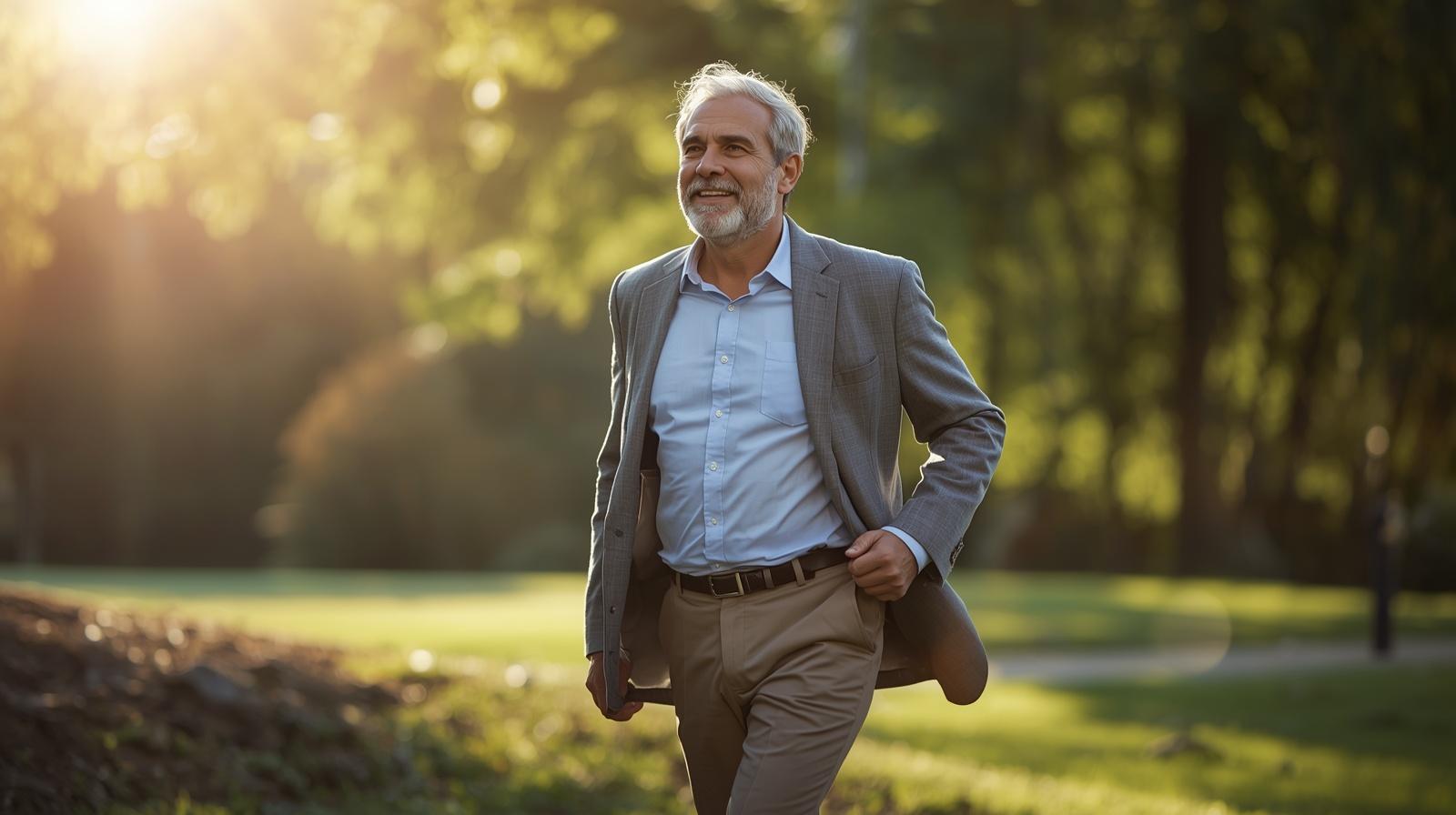
💡 Key Takeaways Introduction Walking speed is one of the most overlooked biomarkers in longevity science. After age 40, it becomes a powerful indicator of…

💡 Key Takeaways Introduction Training is only the stimulus. Recovery is the adaptation. Most people believe they need more intensity, more volume, or more protein….
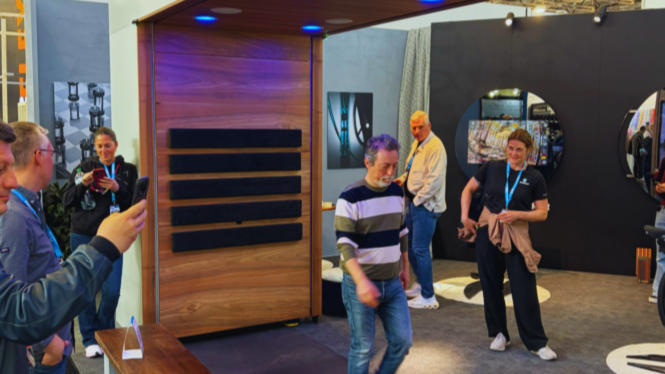
I just got back from FIBO 2026. If you’ve ever been to something like this, you know the feeling. Huge halls, nonstop noise, and everywhere…

💡 Key Takeaways Introduction Confusion around cholesterol continues to mislead even health-conscious individuals. The biggest mistake? Mixing up total cholesterol with LDL and misunderstanding what…