Science-Based Biohacking for Longevity
Daily evidence-based insights helping you live stronger, longer, and sharper.
-
Nothing Is Wrong With Your DNA: Why Cells Forget How to Read It as You Age
Read more: Nothing Is Wrong With Your DNA: Why Cells Forget How to Read It as You Age💡 Key Takeaways Introduction What if aging isn’t caused by broken DNA — but by something far more subtle and far more fixable? For decades, biology taught us that aging was inevitable: DNA damage accumulates, mutations pile up, and cells slowly fall apart. Yet this explanation never fully accounted for why genetically identical cells age…
-

Why Fasting Insulin Is the First Red Flag You Shouldn’t Ignore
Read more: Why Fasting Insulin Is the First Red Flag You Shouldn’t Ignore💡 Key Takeaways Why Should You Care About Fasting Insulin? Fasting insulin is the earliest biomarker of metabolic dysfunction—long before your blood sugar or A1c levels show problems. While the lab reference range spans 2.6–24.9 μIU/mL, the optimal range is under 5 μIU/mL. Yet, this test is often overlooked during routine checkups. The Problem You…
-
How Calorie Reduction Triggers Autophagy for Longevity
Read more: How Calorie Reduction Triggers Autophagy for Longevity💡 Key Takeaways What Is the Science Behind Calorie-Induced Autophagy? Reducing calories occasionally triggers a survival mechanism in your cells called autophagy. Autophagy—literally meaning “self-eating”—is the process by which cells clean out damaged components and recycle them for energy. When calorie intake drops, energy becomes scarce, and the body shifts from growth to repair mode.…
-
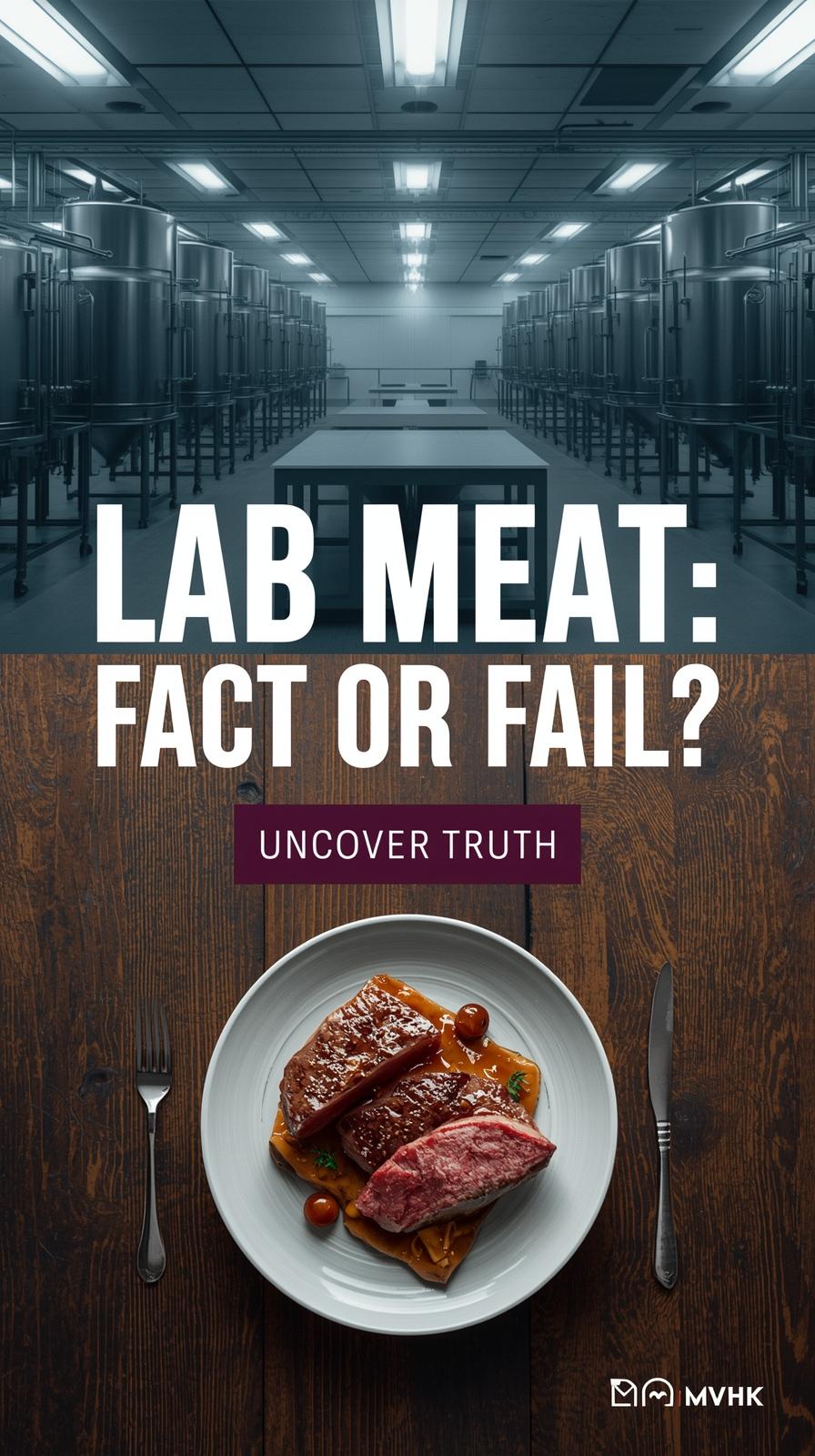
Lab-Grown Meat: Revolution or Just Food Hype?
Read more: Lab-Grown Meat: Revolution or Just Food Hype?💡 Key Takeaways Introduction What if you could eat meat without ever harming an animal? That’s the futuristic promise of lab-grown, or “cultured” meat—now officially on the menu in Australia. The biotech startup Vow is launching a cultivated quail foie gras dish in high-end Sydney restaurants. It’s touted as a game-changer: no slaughter, minimal land…
-
Is High Cholesterol Actually Healthy? What 1950s Data & New Science Reveal
Read more: Is High Cholesterol Actually Healthy? What 1950s Data & New Science Reveal💡 Key Takeaways Introduction What if everything we’ve been told about cholesterol is wrong? In the 1950s, Americans walked around with cholesterol levels of 320–350 mg/dL – and cardiovascular disease wasn’t the epidemic it is today. Dr. Stephanie Rimka challenges decades of dietary dogma by unveiling a bold truth: cholesterol isn’t the enemy. In fact,…
-

Don’t Stay Poor in 2026: Replace These 6 Habits for Wealth & Vitality
Read more: Don’t Stay Poor in 2026: Replace These 6 Habits for Wealth & VitalityWhat Are the Habits That Keep You Poor? Staying poor isn’t just financial — it’s biological, mental, and behavioral.Poverty begins in your routines, not your wallet. Here are the 6 most common behaviors that guarantee a poor outcome: 2026 Insight: According to a 2025 behavioral study in Nature Human Behaviour, passivity and lack of novelty…
-
The 10/100/1000 Rule: A 2026 Upgrade to the 8/8/8 Decision-Making Model
Read more: The 10/100/1000 Rule: A 2026 Upgrade to the 8/8/8 Decision-Making ModelWhat is the Science Behind the 10/100/1000 Rule? The 10/100/1000 Rule is a strategic mental model to evaluate decisions through three biologically-relevant time frames: 10 minutes, 100 days, and 1000 days. The original 8/8/8 Rule — asking how you’ll feel in 8 minutes, 8 months, and 8 years — worked well for emotional perspective. But…
-
How Walking 3x/Week Protects Your Brain from Dementia
Read more: How Walking 3x/Week Protects Your Brain from Dementia💡 Key Takeaways Why Is Walking So Powerful for Brain Health? Walking 3+ times per week significantly reduces dementia risk — by as much as 30%. A landmark study tracking adults aged 65+ over six years found that those who engaged in walking at least three times weekly were nearly one-third less likely to develop…
-
Welcome to 2026.
Read more: Welcome to 2026.This year isn’t about living longer by accident — it’s about living better on purpose.More strength. Sharper focus. Deeper sleep. Less inflammation.Longevity isn’t a trend. It’s a daily practice.Let’s build a longer, stronger, healthier life — one intentional choice at a time. MVHK Free Weekly Newsletter Want the weekly version of this? Every Saturday, I…
-

Closing Out the Year — A Quick Thank You
Read more: Closing Out the Year — A Quick Thank YouA few months ago, I was sitting at my desk late in the evening, going through notes from a longevity conference. I remember thinking: Is this actually useful to anyone else, or am I just collecting information for myself?The next morning, I opened my inbox and saw a message from a reader who said one…