Why the 30-30-30 Method Beats Fasted HIIT for Women’s Fat Loss
💡 Key Takeaways
- Fasted high-intensity workouts can trigger muscle breakdown in women once glycogen is depleted.
- Protein before cardio shifts metabolism away from muscle loss and toward fat oxidation.
- The 30-30-30 method emphasizes hormone-friendly, steady-state cardio.
- Consistency over 30 days often delivers visible fat loss without burnout.
Introduction
Why do so many motivated women wake up early, slam black coffee, crush a brutal HIIT class, and still see stubborn fat months later? According to Gary Brecka, the issue isn’t discipline—it’s physiology. Many women are unknowingly training in a metabolic state that prioritizes speed over efficiency, burning lean muscle instead of fat.
After about 20 minutes of fasted high-intensity exercise, glycogen stores are depleted. The body then looks for the fastest available fuel. Breaking down muscle into amino acids takes roughly three minutes, while mobilizing and oxidizing fat can take hours. Repeat this cycle daily—muscle lost in the morning, rebuilt at night—and fat loss stalls.
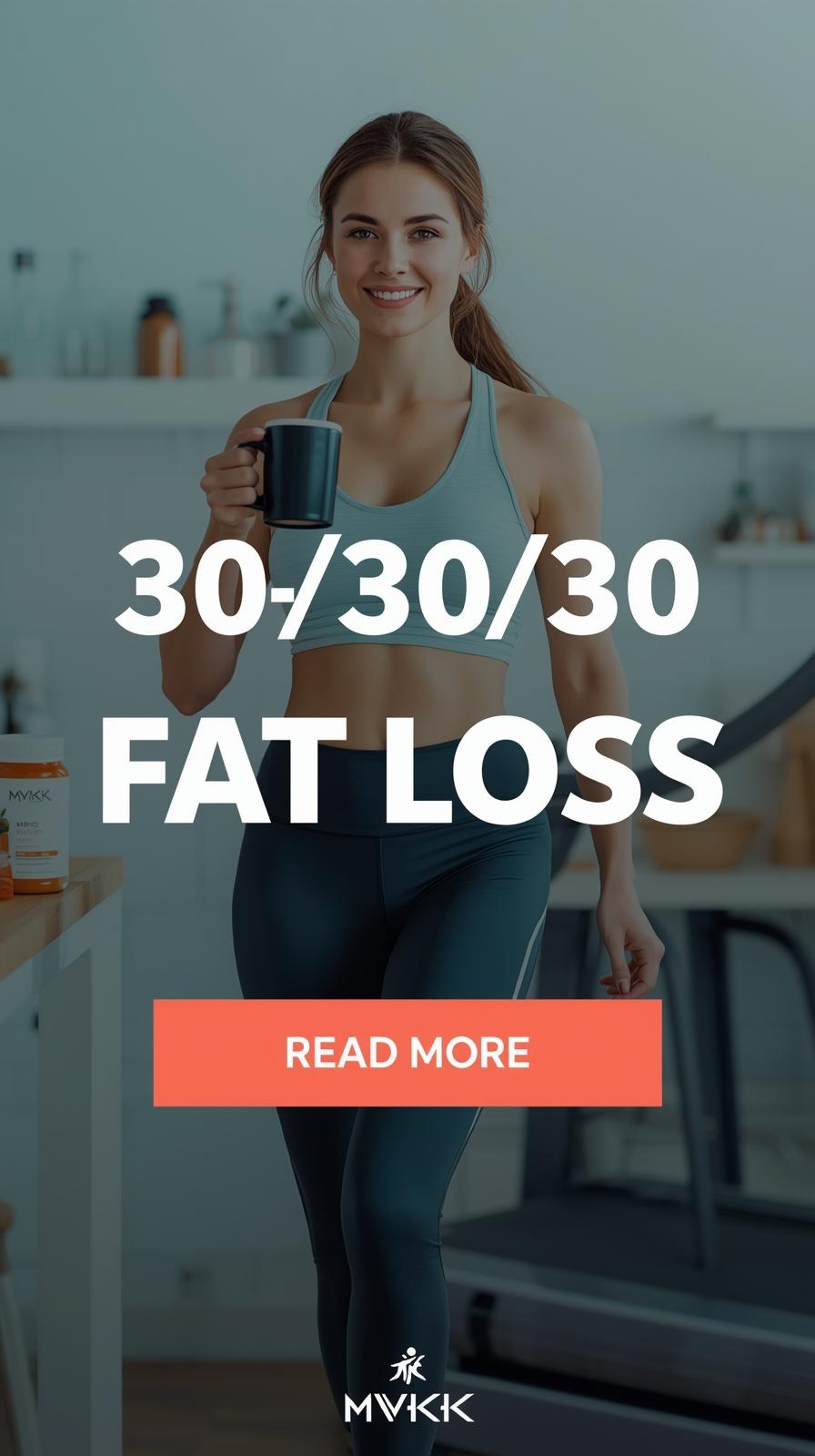
The solution? A deceptively simple protocol known as 30-30-30, first popularized by Tim Ferriss in The 4-Hour Body. It flips the script by feeding muscle first, calming stress hormones, and using cardio that women’s biology responds to better.
What Is the Science Behind Fasted HIIT vs. 30-30-30?
Direct answer: Fasted HIIT often elevates cortisol and accelerates muscle catabolism in women, while 30-30-30 supports fat oxidation by preserving lean tissue and stabilizing hormones.
Research in PubMed and Cell Metabolism shows that women have a greater cortisol response to fasted high-intensity exercise compared to men. Elevated cortisol suppresses thyroid signaling and increases muscle protein breakdown. Once glycogen is depleted (~20 minutes), the body chooses the path of least resistance: muscle.
Fat oxidation, by contrast, requires lipolysis, transport into mitochondria, and beta-oxidation—an energy-dense but slower process. Without amino acids available, the body won’t “wait” for fat.
By consuming 30 grams of protein within 30 minutes of waking, insulin rises modestly, cortisol drops, and muscle protein synthesis is activated. When followed by 30 minutes of steady-state cardio at a heart rate below ~135 bpm, the body has time to shift toward fat burning without triggering stress pathways.
Multiple 2024–2025 reviews in Nature Reviews Endocrinology confirm that low-intensity aerobic exercise in a fed, protein-primed state increases mitochondrial fat oxidation, especially in peri- and post-menopausal women.
How Do You Implement the 30-30-30 Method Properly?
Direct answer: Eat protein first, then move slowly enough to stay aerobic.
Step-by-Step
- Within 30 minutes of waking: Consume 30g protein
- Eggs, Greek yogurt, whey isolate, or collagen + essential amino acids
- Immediately after: Perform 30 minutes steady-state cardio
- Walking, cycling, incline treadmill
- Keep heart rate <135 bpm (you should be able to talk)
Weekly Progression
- Week 1: Flat walking, focus on consistency
- Week 2: Add slight incline or resistance
- Week 3: Extend to 35–40 minutes if energy is high
- Week 4: Optional light intervals after steady state
Common Mistakes
- Skipping protein “to stay fasted”
- Turning cardio into HIIT
- Stacking with intense classes like Orangetheory Fitness first thing in the morning


What Advanced Techniques Maximize Results?
Direct answer: Stack 30-30-30 with recovery-supporting biohacks.
- Biohack stacking: Morning sunlight + electrolytes
- Personalization:
- Women 40+: prioritize sleep and magnesium
- Women 50+: add creatine (3–5g)
- Tech: Use wearables to cap heart rate and track HRV
What Are the Real-World Results?
Direct answer: Most women notice reduced waist circumference within 2–4 weeks.
Case studies from longevity clinics show improved body composition without scale weight changes—fat mass decreases while lean mass is preserved. Energy improves, cravings drop, and adherence skyrockets because the protocol feels sustainable.
Action Plan: Your 4-Week 30-30-30 Protocol
Week 1: Protein + 30 min walking daily
Week 2: Add incline, track heart rate
Week 3: Optimize protein quality and sleep
Week 4: Reassess body composition and energy
Frequently Asked Questions
Does 30-30-30 work for menopausal women?
Yes. It’s particularly effective because it lowers cortisol and supports muscle retention during hormonal transition.
Can I drink coffee?
Yes—black coffee is fine, but after protein is ideal.
Is fat loss slower than HIIT?
No. It’s often faster because you’re actually burning fat, not muscle.
Can men do this?
Yes, but women tend to see larger benefits.
What if I only have 20 minutes?
Do protein + 20 minutes steady state—it still works.