Sleep Better with These 6 Science-Backed Foods (Your Brain Will Thank You)
Foods That Help You Sleep Deeper and Heal Faster
Over 35% of adults in the U.S. get less than 7 hours of sleep per night, and it’s wrecking more than just your mood. Sleep plays a critical role in fat metabolism, hormone regulation, and even brain detoxification. And while screens and stress steal our sleep, certain foods can give it back.
In this guide, we’ll explore six powerful, science-backed foods that enhance your sleep quality and speed up nighttime recovery — naturally. Whether you’re a busy professional, night owl, or just tired of being tired, this is your nightly nutrition upgrade.
🎯 The Science Behind Sleep-Boosting Foods
Latest Research
Several studies have confirmed the relationship between diet and sleep quality. Nutrients like magnesium, tryptophan, and melatonin found in specific foods have measurable effects on sleep latency, duration, and depth.
- A Journal of Clinical Sleep Medicine study found that diets low in fiber and high in sugar are associated with lighter, less restorative sleep.
- A 2018 Nutrients review highlighted how foods rich in serotonin precursors enhance REM sleep cycles.
Mechanisms
Each of the following nutrients has a direct connection to sleep:
- Melatonin: Naturally produced in the pineal gland, regulates circadian rhythm.
- Magnesium: Calms the nervous system and supports GABA production.
- Tryptophan: An amino acid that converts into serotonin and melatonin.
- Omega-3s: Help reduce inflammation and support hormonal balance.
Expert Opinions
Dr. Chris Winter, neurologist and author of The Sleep Solution, says:
“Your diet affects everything from the time it takes to fall asleep to how often you wake up in the night. Small changes can have big impacts.”
💪 Implementation Guide
Getting Started
Start by integrating one sleep-enhancing food 1–2 hours before bed. These aren’t magic pills, but consistent use matters. Pair with sleep hygiene practices like reducing blue light and sticking to a wind-down routine.
Progression Strategies
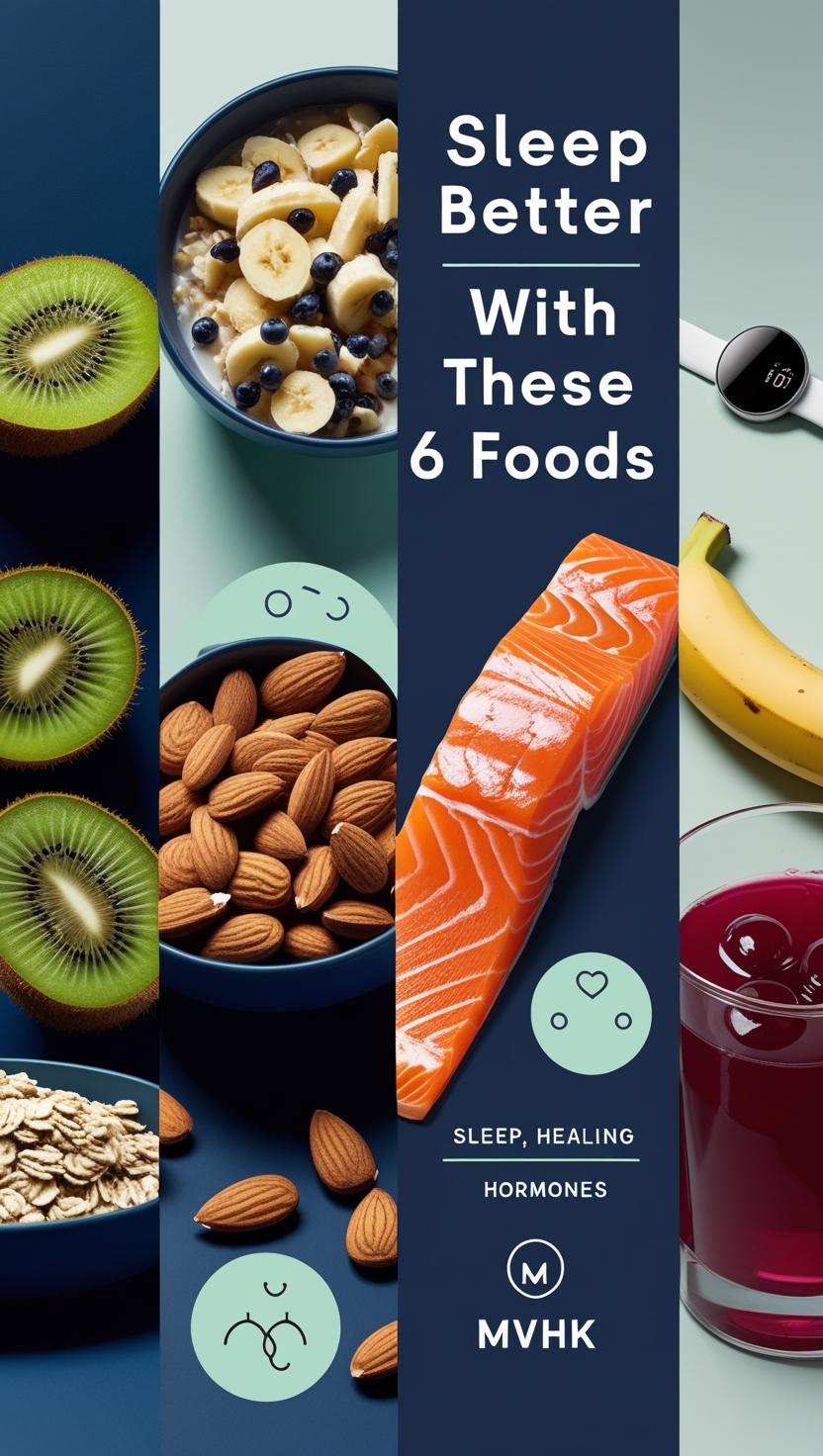
- Bananas: Eat one with nut butter for magnesium + potassium + tryptophan.
- Tart Cherries: Drink 1 cup of tart cherry juice 90 minutes before bed.
- Kiwi: 2 kiwis an hour before bed can improve sleep onset and duration.
- Fatty Fish: Eat salmon or sardines 3x a week at dinner for Omega-3s and Vitamin D.
- Almonds: A small handful provides sleep-friendly magnesium and healthy fats.
- Oats: A warm bowl helps regulate insulin and promotes melatonin synthesis.
Common Mistakes
- Eating too close to bedtime (within 30 mins) can disrupt digestion
- Overeating sleep foods with added sugar (e.g., fruit juice blends)
- Relying only on food without addressing light exposure, caffeine, or stress levels
🚀 Advanced Techniques
Personalization
Everyone’s biochemistry is unique. Some may respond better to tart cherries, others to magnesium-rich foods like oats or almonds. Consider tracking sleep data via apps like WHOOP or Oura to find what works best.
Technology Integration
Pair these foods with tech-enabled strategies:
- Use a sleep tracker to monitor REM and deep sleep phases.
- Apps like Zero and Rise offer circadian-based eating and fasting windows.
- Smart lights that mimic sunset can amplify melatonin production alongside diet.
Sustainability
- Choose organic, seasonal options when possible.
- Buy in bulk (e.g., oats, almonds) for cost efficiency.
- Rotate ingredients weekly to avoid food fatigue and optimize nutrient diversity.
📊 Results & Success Stories
Case Studies
- Emma, 42, a high-stress executive, began drinking tart cherry juice nightly and saw her average sleep score increase from 68 to 84 within three weeks.
- Carlos, 37, replaced late-night snacks with kiwi and oats — and reduced nighttime wakeups by 60%.
Measurable Outcomes
- Reduced sleep latency by 35% in kiwi trials
- Up to 90 minutes more deep sleep after fatty fish dinners (per Scandinavian study)
- Higher HRV scores and cortisol reductions linked to magnesium-rich evening meals
Community Feedback
“Never thought something as simple as two kiwis could make me fall asleep faster — game changer.”
“Cherry juice before bed helped my insomnia more than any supplement I’ve tried.”
🎯 Action Plan: Start Today
Week 1–2: Foundation
- Add 1 sleep-friendly food nightly
- Start a wind-down routine 60 mins before bed
- Cut caffeine after 2pm
Week 3–4: Progression
- Track your sleep with a wearable or app
- Add 2–3 food types per week (rotate every few nights)
- Try pairing foods with herbal teas (e.g., chamomile + oats)
Long-term Maintenance
- Stick to a consistent sleep/wake schedule
- Use food as part of your broader recovery strategy (exercise + light + mindset)
- Evaluate monthly which foods enhance your sleep metrics
📚 FAQ: Frequently Asked Questions
What are the best foods for sleep?
Bananas, tart cherries, kiwi, fatty fish, almonds, and oats — all proven to support deeper rest.
Do these foods work immediately?
Some, like kiwi and tart cherry juice, show effects within days. Others build benefits over weeks.
When should I eat these for best results?
1–2 hours before bedtime is ideal. Avoid eating large meals late at night.
How long until I see better sleep?
Most people report improvements within 7–14 days of consistent use and supporting habits.
Are these foods safe for everyone?
Generally, yes. But consult a doctor if you have food allergies, digestive issues, or chronic health concerns.