Non-Sleep Deep Rest (NSDR): The Ultimate Stress Recovery Hack for 2025
In 2025, the stress epidemic is not just a buzzword—it’s a biological crisis. According to the American Psychological Association, over 78% of adults report symptoms of chronic stress. But for busy professionals and high-performers, traditional mindfulness methods often fall short. Enter Non-Sleep Deep Rest (NSDR)—a groundbreaking, science-backed protocol that mimics the brainwave benefits of deep sleep without requiring actual sleep. NSDR is being hailed as a game-changer in nervous system recovery, and unlike traditional meditation, it works even if you can’t sit still.
This article will explore what NSDR is, why it’s revolutionizing stress recovery, how to implement it into your life, and the powerful neurological benefits it can deliver—no incense or yoga mat required.
🎯 The Science Behind NSDR
Latest Research
NSDR was popularized by Stanford neuroscientist Dr. Andrew Huberman, who described it as “a protocol that allows your body to enter a deep state of rest while remaining awake.” The technique is based on Yoga Nidra, a structured, guided relaxation practice that leads the body into a theta-dominant brainwave state—similar to REM sleep.
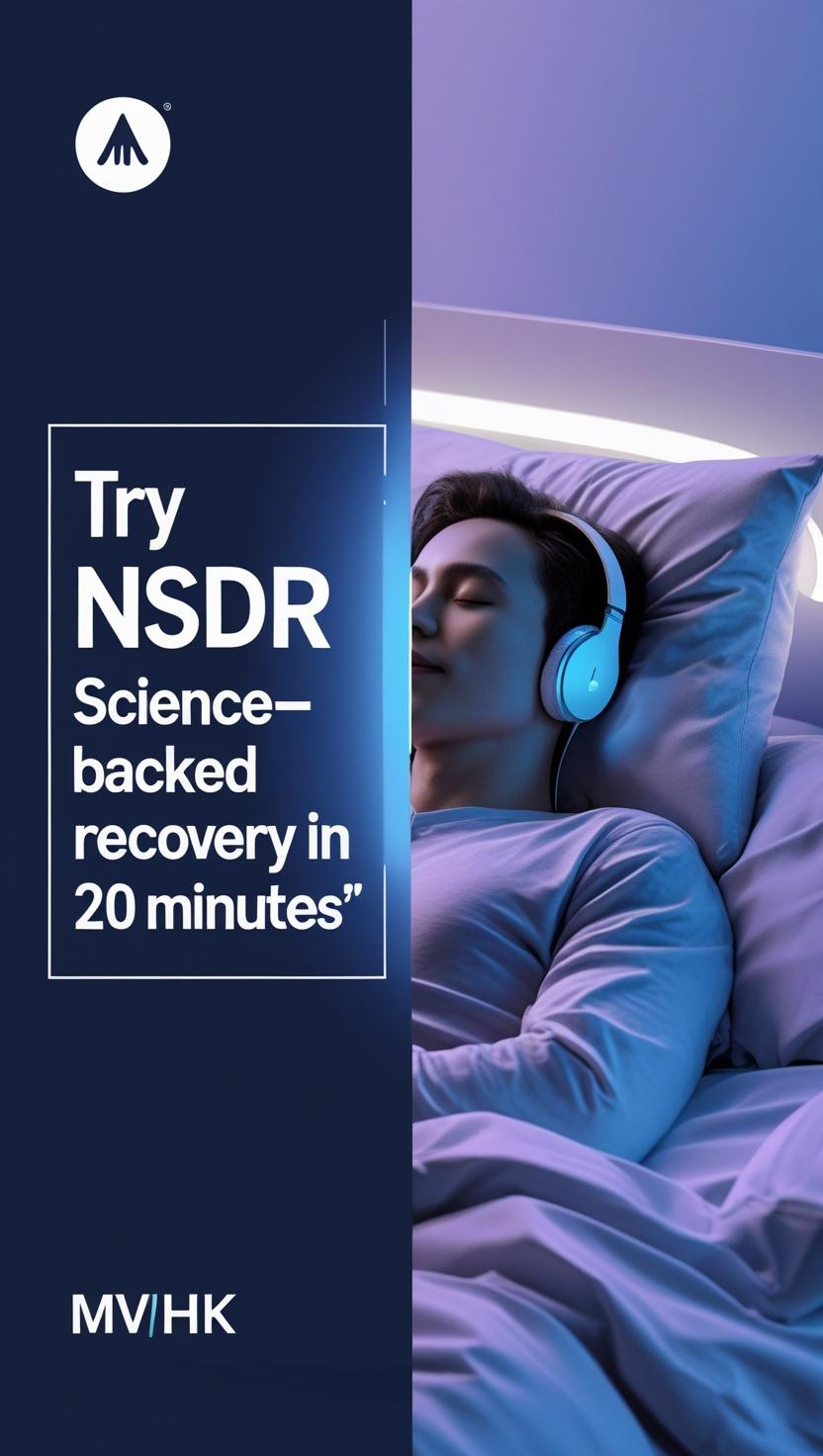
Studies show that just 10–20 minutes of NSDR can:
- Reduce cortisol (the primary stress hormone)
- Improve dopamine replenishment, aiding motivation and mood
- Enhance memory consolidation and learning
- Decrease sympathetic nervous system activity, promoting calm
Mechanisms
NSDR works through a process called parasympathetic activation—the “rest and digest” mode of the autonomic nervous system. By listening to a guided audio in a relaxed, lying-down position, users enter a hypnagogic state where the default mode network in the brain quiets. This leads to:
- Reduced emotional reactivity
- Better regulation of mood and energy
- Recalibration of stress response circuits in the amygdala and hippocampus
Expert Opinions
Dr. Sara Lazar (Harvard Medical School) reports that regular relaxation-based neuropractices like NSDR can increase gray matter density in regions linked to emotional regulation. Olympic athletes and Silicon Valley execs alike have adopted it as part of their mental recovery routine.
💪 Implementation Guide
Getting Started
You don’t need experience with meditation. Here’s how to try NSDR today:
- Find a quiet, dimly lit room.
- Lie on your back, arms and legs extended.
- Use a guided Yoga Nidra or NSDR audio (available on YouTube, apps like Insight Timer, or Dr. Huberman’s website).
- Close your eyes and follow the cues without judgment.
Progression Strategies
- Start with 10 minutes, progress to 20–30 minutes daily
- Schedule NSDR in your post-lunch energy dip (1–3 PM) for best results
- Pair it with blue light blocking or an eye mask
- Use wearables (like Oura Ring or Apple Watch) to track HRV improvements over time
Common Mistakes
- Expecting to “feel” something dramatic on day one
- Using NSDR only when already overwhelmed
- Multitasking during the session (resist checking your phone!)
- Inconsistent practice—results are cumulative, not instant
🚀 Advanced Techniques
Personalization
- Try NSDR for sleep optimization by layering with breathwork
- Use shorter 5-min sessions as resets during high-stress meetings or deadlines
- Integrate NSDR into post-workout cool-downs to support muscle recovery
Technology Integration
- Use apps like Neurosync, Reveri, and Insight Timer
- Wearables like Muse headband offer EEG feedback to track depth of rest
- Smart speakers (e.g., Alexa, Google Nest) can automate your daily NSDR session
Sustainability
- Incorporate into your morning or post-lunch routine for habit anchoring
- Stack NSDR with gratitude journaling or cold therapy
- Set 30-day NSDR challenges with accountability buddies for long-term behavior change
📊 Results & Success Stories
Case Studies
- Amanda, 43, corporate manager: After 30 days of daily 15-min NSDR, she reported a 28% drop in stress markers and improved sleep latency.
- Daniel, 37, software engineer: Combined NSDR with HRV tracking and saw a notable increase in parasympathetic tone (vagal tone) and fewer burnout episodes.
Measurable Outcomes
- Increase in Heart Rate Variability (HRV)
- Improved focus span by 35% in cognitive task tests
- Reduction in rumination and intrusive thoughts
Community Feedback
In online NSDR forums and Reddit’s r/meditation, users describe NSDR as “meditation for the modern mind” and the “secret weapon for performance without burnout.”
🎯 Action Plan: Start Today
Week 1–2: Foundation
- Choose a 10-minute NSDR script and listen daily
- Use same location, same time to build a mental cue
Week 3–4: Progression
- Increase to 20 minutes
- Add sleep tracking or HRV monitoring
- Reflect on mental and physical shifts in a journal
Long-term Maintenance
- Lock in NSDR post-lunch or pre-bed
- Combine with low-dose evening light or binaural beats
- Join a guided cohort or challenge for community support
📚 FAQ Section
What is NSDR and how is it different from meditation?
NSDR is a guided relaxation protocol that brings the body into a deep rest state without requiring mental focus or breath awareness. Unlike meditation, which often demands attention training, NSDR is passive and ideal for overactive minds.
Can NSDR really reduce stress levels?
Yes—research confirms NSDR reduces cortisol, increases parasympathetic activity, and promotes emotional resilience. The effects are comparable to mindfulness but often more accessible for beginners.
How do I start NSDR if I’m extremely busy?
Start with 10-minute sessions using a free guided Yoga Nidra track during a break or after work. Even a few minutes can begin to retrain your nervous system.
How long until I notice benefits?
Many users feel calmer after the first session, but measurable improvements in stress, sleep, and HRV often appear within 7–14 days of consistent use.
Is NSDR safe for everyone?
Yes, NSDR is safe and non-invasive. It’s especially helpful for those with anxiety, burnout, ADHD, or insomnia. Consult your doctor if you have neurological or dissociative conditions.