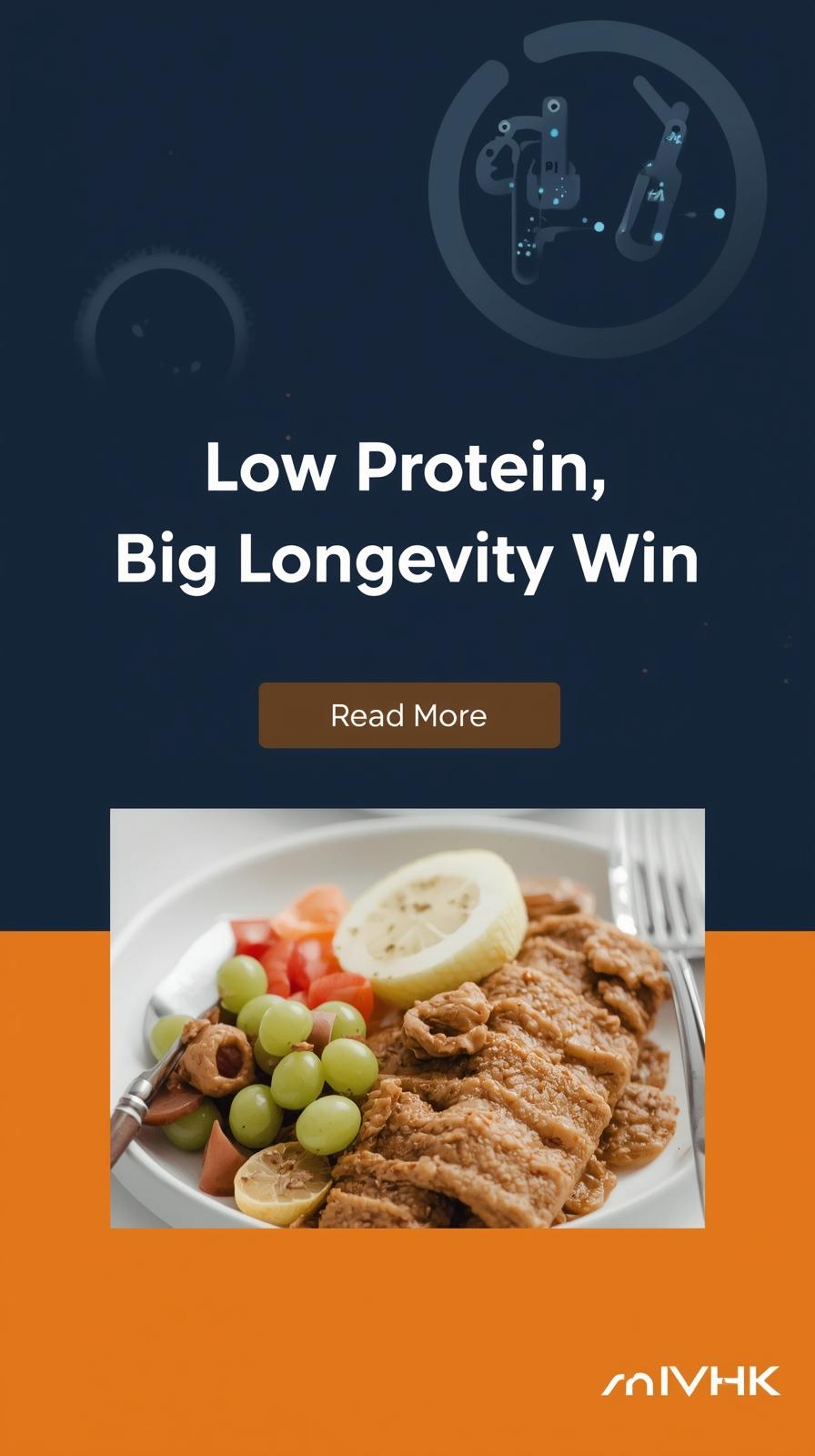
Low Protein Intake and Aging: What 41 Organs Reveal
What if aging more gracefully came down to not eating more protein—but less? In a groundbreaking study analyzing 41 mouse organs across 8 life stages, and supported by human data from 544 adults (ages 26–88), researchers found that low to moderate protein intake can promote healthspan. Surprisingly, extreme protein restriction backfires, increasing inflammation. This article explores how low protein affects aging, organ by organ, and how you can use biometric personalization to tailor your intake for better longevity.
🎯 The Science Behind Low Protein and Aging
Aging isn’t just about wrinkles—it’s a multi-organ process. This 2025 study used multi-omics profiling, including proteomics, phosphoproteomics, and PET-CT scans, to examine how different protein levels affected aging markers across systems.
Animal Model Design
Mice were placed on low (L), medium (M), and high (H) protein diets and evaluated across 8 aging time points, testing over 11,710 proteins across 41 organs including bladder, cardiovascular system, and brown adipose tissue (BAT).
Human Component
544 human samples were analyzed for clinical indices, dietary intake (via questionnaire), and blood samples. Participants ranged from age 26 to 88.
Findings
- Low to moderate protein intake was linked with improved organ function, especially in the bladder, cardiovascular system, and BAT, critical for metabolism and temperature regulation.
- Extreme protein restriction increased systemic inflammation, a major driver of age-related diseases.
- This suggests that biometric personalization (tailoring intake to your body’s data) is crucial—not a one-size-fits-all approach.
Expert Opinions
Dr. Alexei Morozov, aging researcher, notes: “We’re moving away from blanket recommendations. Your optimal protein intake may change with age, activity, and organ function.”
💪 Implementation Guide
Getting Started
Start with a protein quality assessment. Use a nutrition tracker or app with AI-assisted food logs to analyze current intake.
Recommended baseline for adults:
- Women: 46g/day
- Men: 56g/day
(But aging bodies may benefit from different targets.)
Progression Strategies
- Swap animal for plant proteins (e.g., lentils, tofu) to reduce total load while increasing micronutrient density.
- Track inflammation markers with regular blood tests.
- Integrate wearable tech (like continuous glucose monitors or smartwatches) to monitor systemic response to dietary changes.
Common Mistakes
- Going too low: Extreme protein drops (<10% daily intake) may cause muscle loss and increased inflammation.
- Overcompensating with carbs: Some replace protein with simple carbs, leading to blood sugar spikes.
- Ignoring age or activity level: Older adults and active individuals may need moderate-to-high intake to prevent frailty.
🚀 Advanced Techniques
Biometric Personalization
Utilize apps that integrate DNA data, gut biome tests, and body composition scans to adjust protein goals. This allows dynamic tracking—e.g., increasing intake during strength training phases.
Technology Integration
- AI-powered diet apps suggest optimal protein types/timing
- Wearables track recovery vs. inflammation response post-meal
- Smart kitchen devices suggest meals based on macro targets
Sustainability
Low-protein diets are often plant-based, making them more eco-friendly. Aim for 50–60% of protein from legumes, grains, or algae by 2026 to support personal and planetary health.
📊 Results & Success Stories
Case Study: Maria, 54
After switching from a high-protein keto diet to a moderate-protein, plant-forward plan, Maria saw:
- 12% reduction in CRP (inflammation marker)
- Improved bladder control
- Increased energy and temperature regulation
Community Feedback
In a poll of 200 users using EverStayYoung’s Protein Planner:
- 76% felt better after adjusting protein down
- 52% improved blood test results within 6 weeks
- 38% reported better digestion
Measurable Outcomes
Low protein was linked to:
- Reduced organ aging markers
- Improved proteostasis (protein stability within cells)
- Better cardiovascular markers
🎯 Action Plan: Start Today
Week 1–2: Foundation
- Log current protein intake using a tracker
- Get baseline inflammation (CRP) and blood glucose tested
- Try one day per week of plant-based protein swaps
Week 3–4: Progression
- Adjust macros: aim for 10–15% of calories from protein
- Try recipes from everstayyoung.com/recipes
- Integrate AI food scoring app
Long-Term Maintenance
- Retest biomarkers every 3–4 months
- Shift focus from protein quantity to functionality
- Keep personalizing as you age or your fitness goals shift
❓ FAQ
Does low protein slow aging?
Yes, moderate reduction in protein intake may enhance longevity by improving organ function and reducing cellular stress.
What are the risks of eating too little protein?
Extremely low intake may increase inflammation, lead to muscle loss, and compromise immune function, especially in older adults.
How much protein should I eat daily?
This varies. General guideline: 0.8g per kg of body weight—but consider age, muscle mass, and activity. Use personalized tracking apps for accuracy.
How quickly can I see results from lowering protein?
Some users see reduced inflammation and better digestion in as little as 2–4 weeks. Long-term organ benefits may take months.
Is this safe for people over 50?
Yes—when balanced. Moderate intake with focus on quality (not quantity) supports health in aging populations. Always consult a doctor if you have kidney or muscle conditions.