Why Nutrient Diversity Beats “Superfood Upgrades”
💡 Key Takeaways
- Eating diverse plant foods improves longevity markers more than focusing on single “superfoods.”
- Nutrient absorption depends heavily on bioavailability, food matrix, and gut microbiome interactions.
- Combining foods like spinach + soybeans or walnuts + flaxseed improves nutrient coverage.
- Long-term healthspan diets consistently show variety predicts lower mortality risk.
Introduction
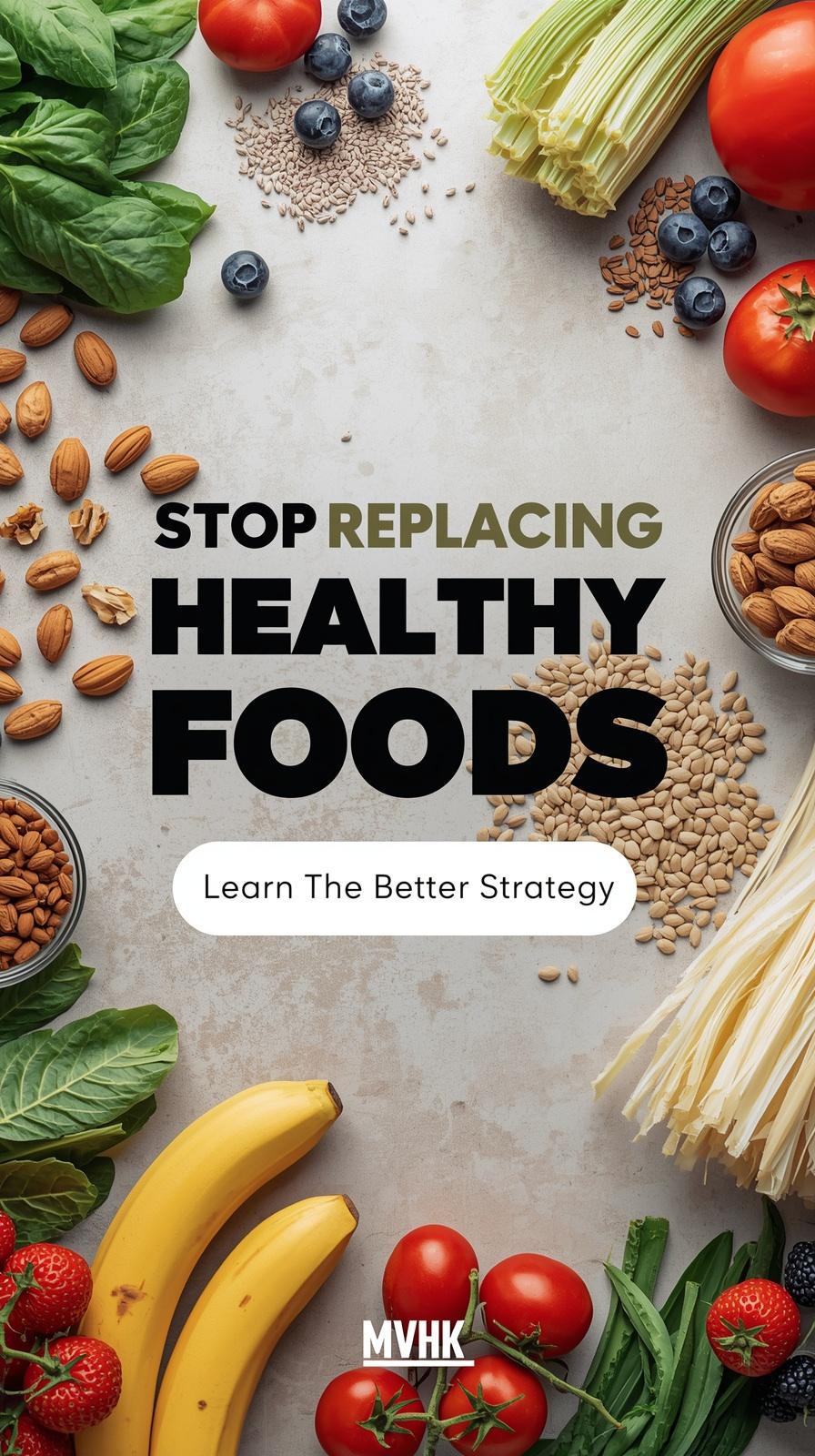
Nutrition advice often promotes “upgrading” foods. Replace spinach with soybeans. Swap walnuts for flaxseed. Choose seeds over nuts.
At first glance, the logic seems compelling: more nutrients per 100 grams must mean a better food.
But longevity research tells a different story.
Large dietary studies consistently show that dietary diversity—not nutrient density rankings—predicts long-term health outcomes. People who regularly consume a wide range of plant foods have lower inflammation, better metabolic health, and reduced cardiovascular risk.
The reason lies in how nutrients actually work in the body. Absorption depends on bioavailability, synergistic compounds, and microbiome interactions—not just nutrient numbers on a label.
Instead of replacing foods, the smarter strategy is nutrient stacking: combining foods that complement each other biologically.
Understanding why this matters can dramatically improve how you design a longevity-focused diet.
What Is the Science Behind Nutrient Diversity?
Nutrient diversity improves health because different foods deliver distinct bioactive compounds that affect mitochondria, inflammation, metabolism, and brain aging.
Mitochondrial Health
Many plant foods support mitochondrial efficiency through antioxidants and polyphenols.
Examples:
- Blueberries → anthocyanins
- Jamun → anthocyanins and ellagic acid
- Walnuts → polyphenols and omega-3 ALA
These compounds reduce oxidative stress inside mitochondria, helping maintain energy production with age.
Evidence-supported:
Polyphenol intake is associated with improved mitochondrial signaling and reduced metabolic disease risk.
(Nature Reviews Endocrinology, PubMed)
Inflammation Control
Chronic inflammation accelerates aging and increases risk for cardiovascular disease, diabetes, and neurodegeneration.
Anti-inflammatory foods include:
- Tomatoes → lycopene
- Spinach → nitrates and carotenoids
- Almonds → vitamin E and monounsaturated fats
When combined, these compounds influence NF-κB signaling pathways, reducing systemic inflammation.
Evidence-supported:
Higher plant diversity correlates with lower inflammatory biomarkers such as CRP.
(The Lancet Public Health)
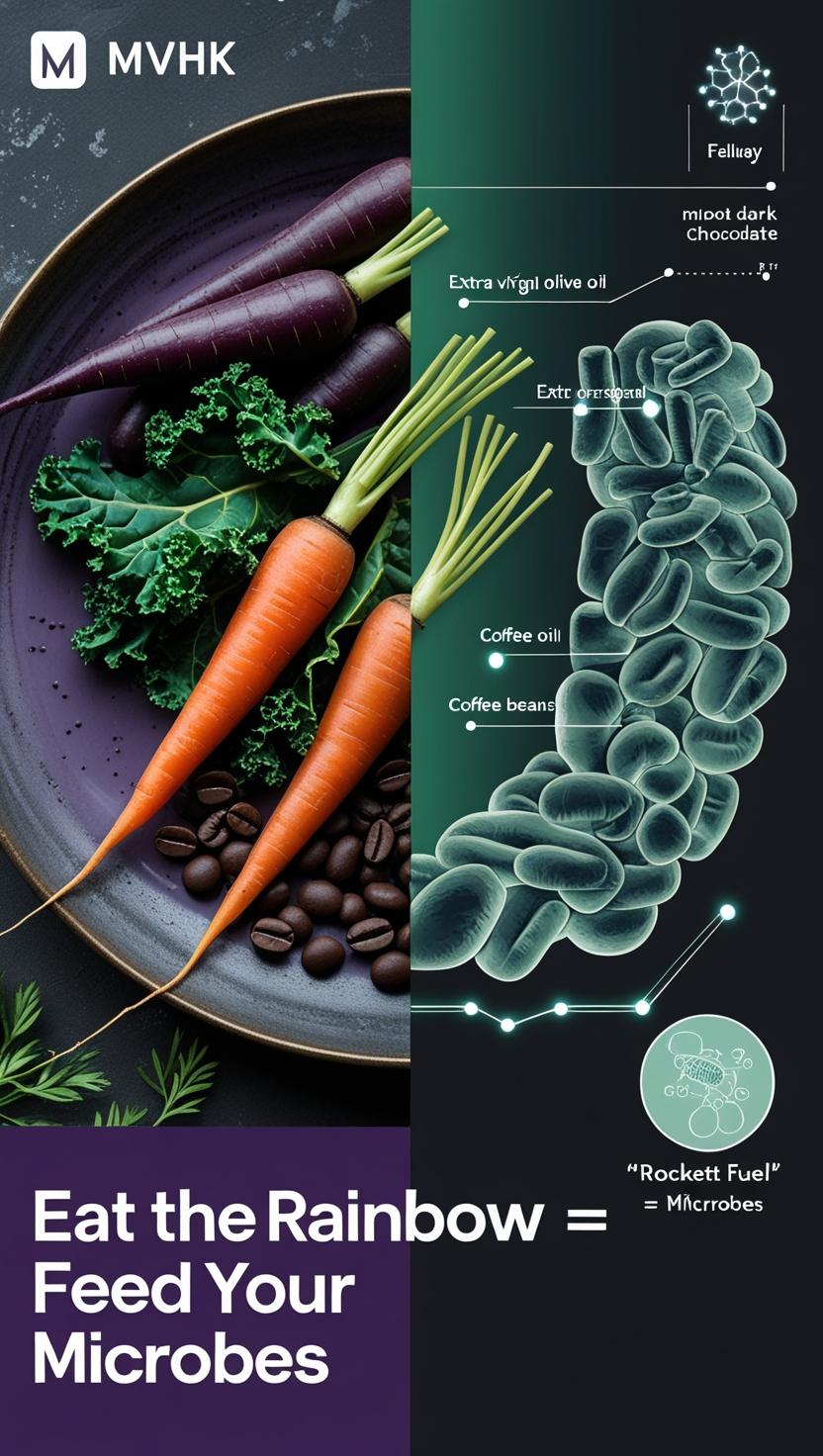
Gut Microbiome Diversity
Different plant fibers feed different microbial species.
Examples:
- Flaxseed → lignans
- Soybeans → resistant starch and oligosaccharides
- Nuts → fermentable fibers
Greater microbiome diversity improves:
- metabolic flexibility
- immune regulation
- gut barrier integrity
Evidence-supported:
Consuming 30+ plant foods per week strongly correlates with microbiome diversity.
(Cell, American Gut Project)
Insulin Sensitivity
Foods rich in fiber, magnesium, and polyphenols improve glucose regulation.
Examples:
- Almonds → magnesium
- Soybeans → protein + fiber
- Bananas → potassium
Together, these nutrients improve insulin signaling and glycemic stability.
Evidence-supported:
Plant-rich diets improve insulin sensitivity and reduce diabetes risk.
(New England Journal of Medicine)
How Do You Apply Nutrient Stacking Correctly?
The most effective strategy is to pair foods rather than replace them.
Below are practical examples.
Pair 1: Spinach + Soybeans
Instead of choosing one, combine them.
Benefits:
- spinach → folate, nitrates, lutein
- soybeans → protein, iron, isoflavones
Meal idea:
Spinach dal with tofu or boiled soybeans.
Why this works:
- Vitamin C in vegetables improves iron absorption.
- Soy protein supports muscle preservation.
Pair 2: Almonds + Sunflower Seeds
Both foods deliver vitamin E but through slightly different nutrient matrices.
Serving strategy:
- 15–20 almonds
- 1 tablespoon sunflower seeds
Benefits:
- almonds → magnesium + healthy fats
- sunflower seeds → vitamin E + selenium
This combination supports cardiovascular health and mitochondrial protection.
Pair 3: Walnuts + Flaxseed
Walnuts and flaxseed both contain ALA omega-3.
Serving idea:
- 2–4 walnuts
- 1 tablespoon ground flaxseed
Benefits:
- walnuts → polyphenols
- flaxseed → lignans
Together they support anti-inflammatory signaling and brain health.
Pair 4: Tomatoes + Bananas
These foods support metabolic and cardiovascular health through complementary nutrients.
Tomatoes provide:
- lycopene
- vitamin C
Bananas provide:
- potassium
- resistant starch
Benefits:
Potassium and antioxidants help regulate blood pressure and vascular health.
Safety Notes
Even healthy foods require moderation.
Potential considerations:
- Excess flaxseed may cause digestive discomfort.
- Soy intake may interact with thyroid conditions if iodine intake is low.
- Nuts are calorie-dense.
Balanced intake prevents these issues.
What Advanced Strategies Improve Results?
Once basic diversity is established, you can optimize further.
Biomarker Tracking
Key markers to monitor:
- fasting glucose
- triglyceride/HDL ratio
- CRP
- omega-3 index
These reveal how well your diet supports metabolic health.
Wearables and Metabolic Feedback
Continuous glucose monitors can help identify which foods trigger glucose spikes.
Personalized nutrition research shows individuals respond differently to identical foods.
(Cell, personalized nutrition studies)
Nutrient Stacking for Longevity
Advanced combinations include:
- olive oil + tomatoes → increased lycopene absorption
- turmeric + black pepper → higher curcumin bioavailability
- vitamin C foods + plant iron → improved iron absorption
These interactions amplify nutrient effects.
What Results Can You Realistically Expect?
Dietary diversity produces gradual but measurable benefits.
3–6 Months
Possible improvements:
- lower LDL cholesterol
- improved gut microbiome diversity
- better glucose control
6–12 Months
Research shows:
- reduced cardiovascular risk
- improved metabolic markers
- lower inflammatory biomarkers
Long-Term
Long-term dietary patterns rich in plant diversity are linked with:
- reduced all-cause mortality
- lower cardiovascular disease risk
- improved cognitive aging
Evidence from Mediterranean diet trials supports this.
(NEJM Mediterranean Diet Study)
4-Week Practical Action Plan
Week 1
Add one extra plant food per meal.
Examples:
- spinach with lunch
- berries with breakfast
Week 2
Introduce seed diversity.
Add:
- flaxseed
- sunflower seeds
- pumpkin seeds
Week 3
Combine plant proteins.
Meals:
- lentils + soy
- nuts + seeds
Week 4
Aim for 25–30 plant foods per week.
Include:
- vegetables
- fruits
- nuts
- seeds
- herbs
- legumes
This threshold is associated with improved microbiome diversity.
Frequently Asked Questions
Is nutrient density still important?
Yes, but nutrient density should complement dietary diversity rather than replace it. Foods with high nutrient density often deliver specific micronutrients, but longevity benefits come from consuming many different plant compounds.
Are superfoods overrated?
The term “superfood” is mostly marketing. Scientific evidence supports overall dietary patterns rather than individual foods.
Is soy safe to eat regularly?
For most people, moderate soy intake is safe and associated with improved cardiovascular health.
(PubMed meta-analyses)
Do nuts cause weight gain?
Not necessarily. Studies show regular nut consumption is associated with lower body weight and improved metabolic health.
How many plant foods should I eat weekly?
Research suggests 30 different plant foods per week supports microbiome diversity.
References
- PubMed – Polyphenols and metabolic health
- Nature Reviews Endocrinology – Mitochondrial function and diet
- Cell – American Gut microbiome project
- The Lancet Public Health – Diet diversity and mortality
- New England Journal of Medicine – Mediterranean diet trial
- Harvard T.H. Chan School of Public Health nutrition research