Title: Can Overeating Healthy Food Cause Visceral Fat?
Can you really gain dangerous belly fat from eating too many fruits and vegetables? Surprisingly — yes. A 2023 review in Advances in Nutrition confirmed what metabolic researchers have long observed: visceral fat forms when you eat in a caloric surplus, regardless of food quality.
Visceral fat is not the same as subcutaneous (under-the-skin) fat. It wraps around your organs and silently poisons your body. This article explains how even nutrient-dense foods can contribute to fat buildup — and gives you proven strategies to stop it.
🎯 The Science Behind Visceral Fat from Healthy Food
Latest Research
A 2023 meta-analysis published in Advances in Nutrition reviewed dozens of studies and concluded that calorie surplus — not food type — is the primary driver of fat storage. Even diets rich in fruits, nuts, and vegetables can cause dangerous fat buildup if intake exceeds expenditure.
Additional findings:
- Visceral fat increases linearly with chronic caloric surplus.
- Ultra-processed foods are worse due to lack of polyphenols and fiber.
- But even whole foods contribute to visceral fat if overconsumed.
Mechanisms
Visceral fat becomes dangerous when it:
- Outgrows its oxygen supply (hypoxia)
- Triggers immune responses (inflammation)
- Leaks inflammatory molecules into nearby organs
Over time, this leads to:
- Insulin resistance
- Fatty liver
- Increased cardiovascular risk
- Systemic inflammation
Expert Opinions
Dr. Kevin Hall, NIH metabolic scientist, notes:
“Weight gain is about energy balance. Even healthy food in excess can lead to metabolic dysfunction if total calories exceed needs.”
Dr. Barbara Rolls, Penn State nutrition researcher, adds:
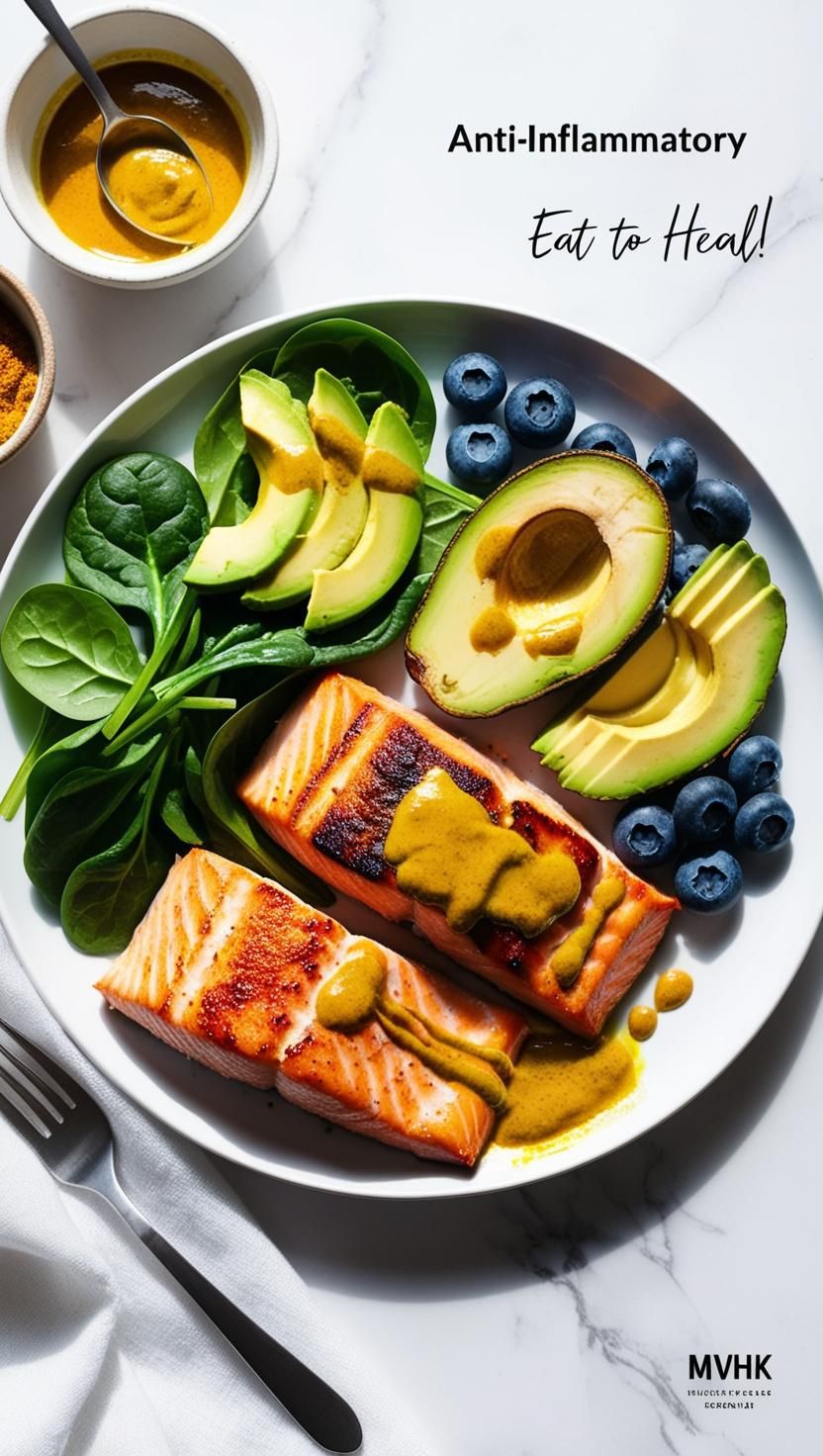
“People underestimate how easy it is to overeat calorie-dense ‘healthy’ foods like nuts, granola, or avocado.”
💪 Implementation Guide
Getting Started
Here are 3 evidence-backed rules to control calorie intake — without counting calories:
Rule 1: Take smaller portions.
Keep 2/3 of your plate empty. Fill 1/3 with slow-digesting fiber-rich foods. This reduces total intake without sacrificing nutrition.
Rule 2: Quit the “clean plate club.”
Finishing every meal out of habit (not hunger) is a learned behavior — not a health virtue. Break the cycle.
Rule 3: Follow “Hara Hachi Bu.”
This Okinawan principle means “eat until 80% full.” It takes 15-20 minutes for leptin (your satiety hormone) to signal fullness. Eating slowly helps.
Progression Strategies
- Use smaller bowls and plates to visually reduce serving size.
- Eat mindfully — no screens or distractions.
- Add bitter greens (arugula, radicchio) to enhance fullness signals.
Common Mistakes
- Thinking healthy food has “no limits”
- Grazing all day on fruit and nuts
- Drinking calories through smoothies or juices
- Skipping meals then overcompensating at night
🚀 Advanced Techniques
Personalization
Biometric tracking tools (like CGMs or smart scales) help tailor your intake. Some people gain visceral fat with smaller surpluses due to:
- Poor sleep
- Hormonal changes (especially post-40)
- Genetic predisposition
Technology Integration
Try:
- Wearables with calorie-burn estimation
- Meal logging apps with portion control suggestions
- AI-powered nutrition plans that adjust in real time
Sustainability
- Meal prep balanced, portioned meals ahead of time
- Involve family/kids in plating to model healthy behavior
- Use visual cues (plate guides, reminder notes) around your kitchen
📊 Results & Success Stories
Case Studies
A 39-year-old mom from Oregon switched from free-eating plant-based to following portioned meals — and saw a 2-inch waist reduction in 8 weeks.
A 55-year-old dad used wearable calorie tracking and reduced “healthy” snack grazing — lowering visceral fat by 14% in 3 months (MRI-confirmed).
Measurable Outcomes
- Waist circumference drop >2 inches
- Triglycerides down 20–40 mg/dL
- Reduced C-reactive protein (inflammatory marker)
- Improved insulin sensitivity
Community Feedback
“I thought I was eating clean, but the scale said otherwise. Portioning almonds and measuring oils made the difference.” – Emily R., Busy parent
“I wear a WHOOP band and realized I was burning fewer calories than expected. Small tweaks = huge results.” – Carlos M., Remote worker dad
🎯 Action Plan: Start Today
Week 1–2: Foundation
- Switch to smaller plates
- Pause mid-meal to assess fullness
- Add low-cal volume foods (cabbage, zucchini)
Week 3–4: Progression
- Track emotional eating triggers
- Replace ultra-dense snacks with fiber-rich options
- Incorporate 12-hour eating windows
Long-Term Maintenance
- Periodically reassess portion size
- Stay active (minimum 7,000 steps/day)
- Eat protein + fiber at every meal for satiety
🔍 Frequently Asked Questions
Can healthy food still cause belly fat?
Yes. Even healthy food contributes to fat gain if eaten in surplus. Your body stores excess energy, not just junk food.
Why is visceral fat more dangerous than regular fat?
Visceral fat sits around your organs, becomes inflamed, and leaks harmful compounds. It’s linked to higher disease risk.
How can I stop overeating without counting calories?
Use visual cues (smaller plates), mindful eating, and “Hara Hachi Bu.” Slowing down gives your brain time to register fullness.
How long does it take to lose visceral fat?
You can see measurable drops in 6–12 weeks with consistent intake management and exercise, but it varies by individual.
Is it safe to eat less if I’m already healthy?
Always aim for a sustainable deficit, not starvation. Focus on quality and quantity. Consult a dietitian if unsure.