Protein Powder Heavy Metal Risk: What Actually Matters
💡 Key Takeaways
- Some protein powders contain measurable heavy metals
- Risk depends on cumulative exposure, not single use
- Plant-based powders show higher contamination on average
- Strategic use minimizes long-term biological impact
- Third-party testing is the only reliable filter
Introduction
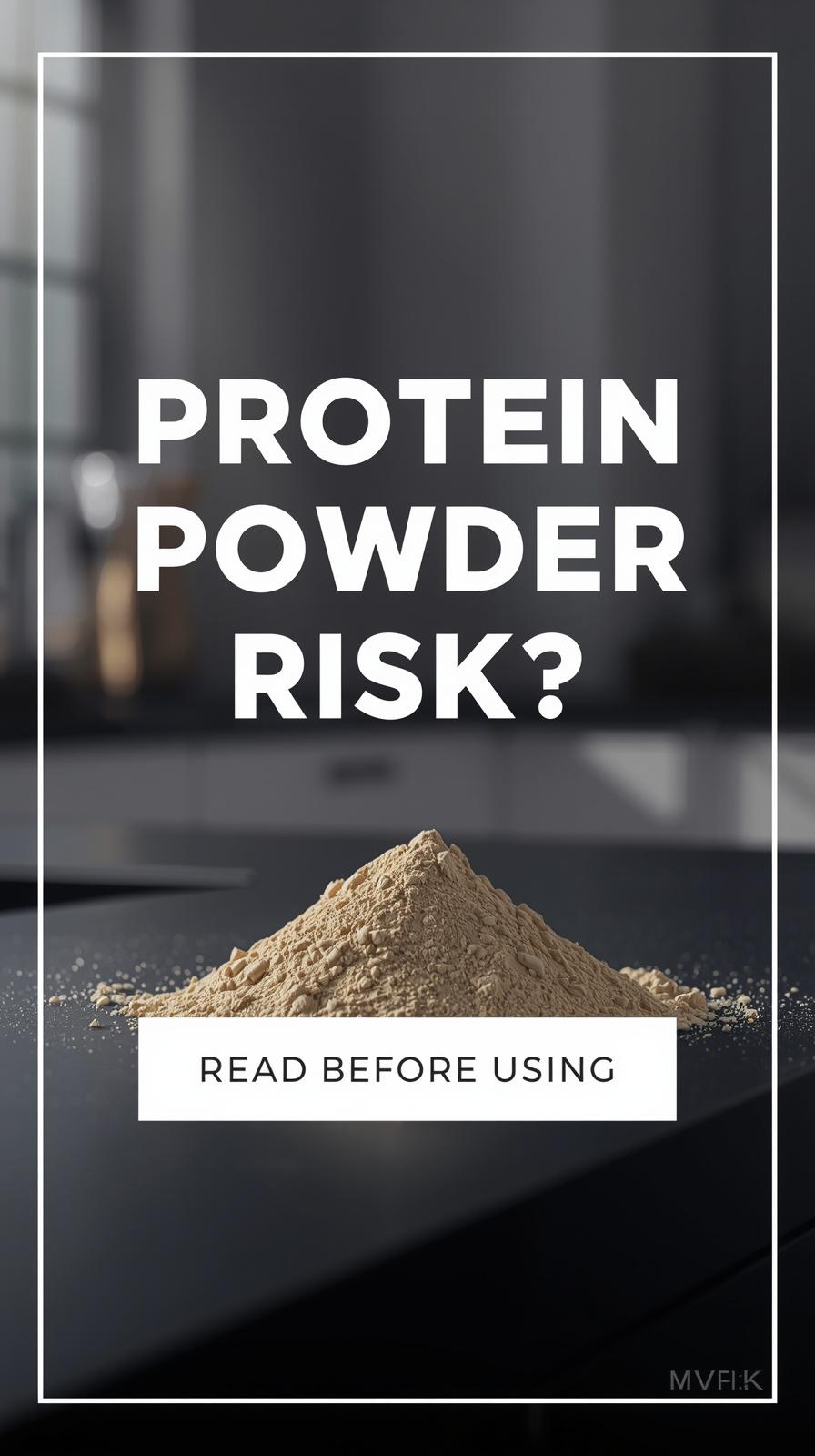
Daily protein shakes are often framed as a health upgrade—but the biology is more complicated. A recent investigation by Consumer Reports found that many protein powders contain detectable levels of lead and other heavy metals.
This doesn’t mean protein powders are “toxic.” It means exposure is real, variable, and cumulative—three factors that directly influence long-term healthspan.
From a longevity perspective, the real issue isn’t acute toxicity. It’s chronic, low-dose accumulation affecting mitochondrial function, inflammation, and cellular aging.
The key question isn’t “Are protein powders safe?”
It’s: “How do you use them without increasing long-term biological risk?”
What Is the Science Behind Heavy Metals in Protein Powders?
Heavy metal contamination in protein powders primarily comes from soil uptake and processing concentration.
Direct answer:
Protein powders can contain trace heavy metals because plants and raw materials absorb contaminants from soil, which become concentrated during processing.
Mechanisms
1. Mitochondrial Disruption (Evidence-supported)
Lead interferes with mitochondrial enzymes, reducing ATP production efficiency. Chronic exposure is linked to reduced cellular energy output.
2. Oxidative Stress & Inflammation (Evidence-supported)
Lead and cadmium increase reactive oxygen species (ROS), driving systemic inflammation—a key aging accelerator.
3. Calcium Mimicry (Evidence-supported)
Lead competes with calcium in biological systems, affecting:
- Bone metabolism
- Neural signaling
- Muscle contraction
4. Insulin Sensitivity Impact (Hypothesis-supported)
Chronic heavy metal exposure may impair insulin signaling pathways, indirectly affecting metabolic health.
5. Brain Aging Risk (Evidence-supported)
Even low-level chronic lead exposure has been associated with cognitive decline over time.
Why Plant-Based Powders Show Higher Levels
Plant-based proteins (pea, rice, hemp) absorb more heavy metals due to:
- Soil exposure
- Root uptake patterns
- Lack of purification compared to whey isolate
Whey undergoes filtration processes that reduce contaminants more effectively.
How Do You Apply Protein Powder Safely?
Direct answer:
Use protein powder strategically—not habitually—while minimizing cumulative exposure.
Step-by-step implementation
Week 1–2: Baseline Adjustment
- Replace daily use with 3–4× per week
- Prioritize whole food protein:
- Eggs
- Fish
- Greek yogurt
- Lean meat
Week 3–4: Optimization
- Select third-party tested products (NSF / USP certified)
- Shift toward whey isolate instead of plant blends
- Limit intake to:
- 1 serving max on training days
Safety Notes
- Avoid stacking multiple sources (protein powder + greens powders + cacao blends)
- Rotate brands periodically
- Avoid using as meal replacement daily
What Advanced Strategies Improve Results?
Direct answer:
You can reduce risk further by aligning protein supplementation with metabolic and exposure tracking.
1. Biomarker Tracking
Monitor:
- Blood lead levels (if high intake history)
- CRP (inflammation marker)
- Ferritin (can interact with metal metabolism)
2. Timing Strategy (Circadian Optimization)
Use protein powder:
- Post-workout only
- Not late at night (reduce metabolic burden)
3. Stack with Protective Nutrients
Evidence-supported mitigation:
- Calcium (reduces lead absorption)
- Iron sufficiency (prevents uptake competition)
- Vitamin C (supports detox pathways)
4. Rotation Protocol
Alternate:
- Whole food protein days
- Supplement days
This reduces cumulative exposure.
What Results Can You Realistically Expect?
Direct answer:
Reducing daily exposure lowers long-term accumulation risk but won’t produce immediate noticeable effects.
Timeline
Short-term (1–4 weeks):
- No visible change (this is expected)
Mid-term (2–6 months):
- Reduced cumulative toxin load
- Improved metabolic stability (indirect)
Long-term (1–5 years):
- Lower risk of:
- Chronic inflammation
- Neurodegeneration
- Mitochondrial decline
Anti-hype reality
- Protein powders are not “dangerous” in isolation
- The risk is frequency × duration × contamination level
- Occasional use is biologically negligible
4-Week Practical Action Plan
Week 1
- Cut usage to every other day
- Track total protein intake from food
Week 2
- Replace 50% of shakes with whole foods
- Research third-party tested brands
Week 3
- Switch to whey isolate (if tolerated)
- Limit to post-workout only
Week 4
- Lock in protocol:
- 2–4 servings/week max
- No daily dependence
Frequently Asked Questions
1. Are all protein powders contaminated?
No. Contamination varies widely. Some products test very low, especially those with third-party certification.
2. Is whey always safer than plant protein?
On average, yes. Whey tends to have lower heavy metal levels due to filtration, but quality still varies by brand.
3. Should I stop using protein powder completely?
Not necessary. Occasional, strategic use is low risk for most people.
4. Is the Consumer Reports threshold too strict?
It’s conservative (based on California Prop 65), but useful for minimizing long-term exposure risk.
5. Can diet alone expose me to similar metals?
Yes. Heavy metals exist in many foods. The issue is cumulative load, not single sources.
References
- PubMed: Heavy metals and oxidative stress
- Nature: Environmental toxins and mitochondrial function
- The Lancet: Lead exposure and global health burden
- NEJM: Chronic toxin exposure and neurological outcomes
- Consumer Reports (2025 Protein Powder Investigation)