Mitochondrial Nutrients Found in Animal Protein
The vegan diet may offer moral, environmental, and some health benefits—but it’s also missing several critical nutrients your mitochondria need to thrive. These powerhouses of the cell depend on specific compounds found predominantly in animal products. Without them, fatigue, brain fog, and poor muscle recovery can become daily struggles.
A 2022 study in Nutrients journal found that ex-vegans commonly reported higher energy and fewer mood disturbances after reintroducing animal products. Coincidence? Science says no. This article dives into the essential nutrients found in animal protein that directly support mitochondrial health and long-term vitality.
Let’s uncover what your mitochondria are starving for—and how you can nourish them.
🎯 The Science Behind Mitochondrial Nutrients
Latest Research
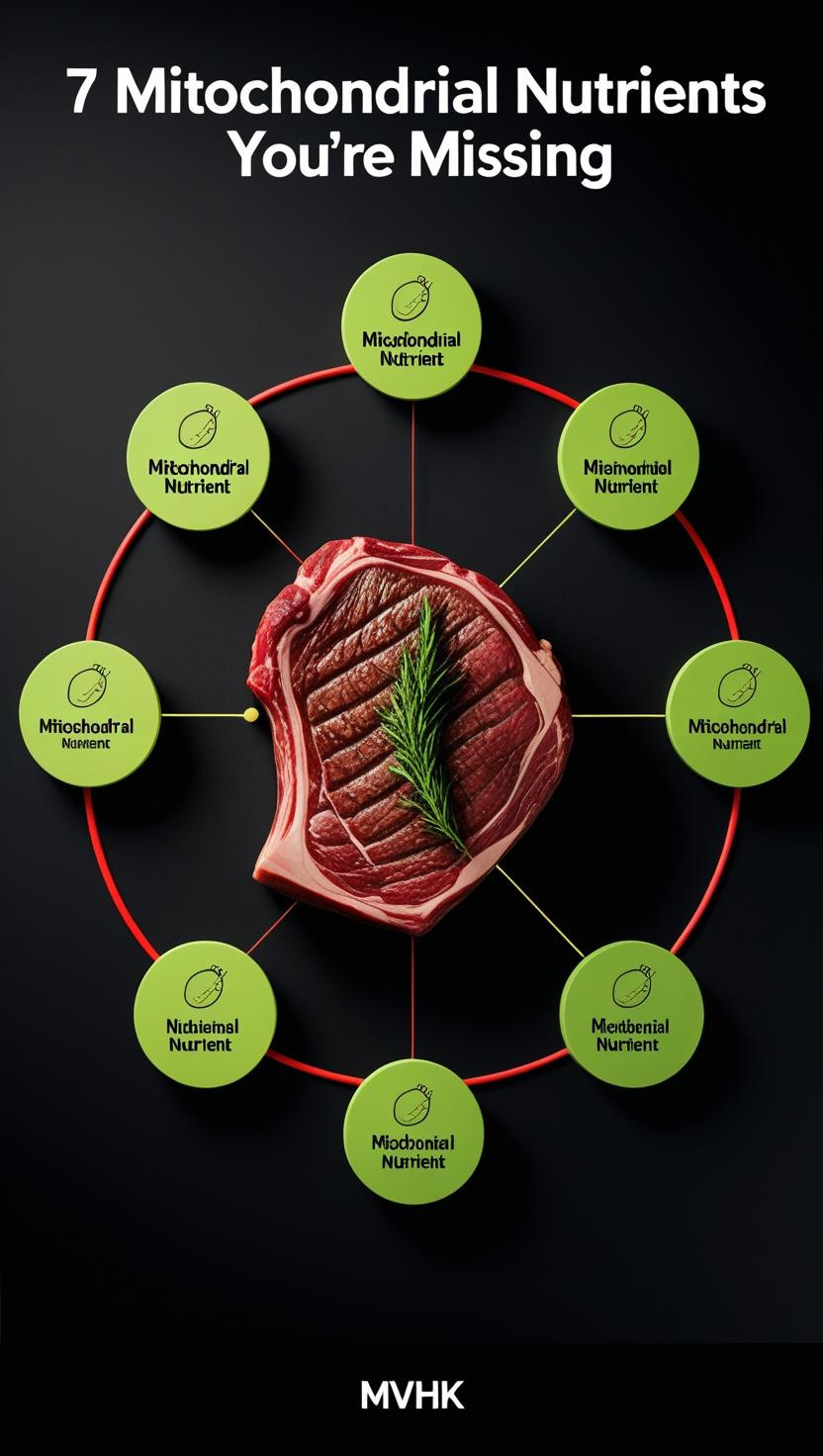
Mitochondria convert food into cellular energy via ATP. Nutrients like creatine, carnitine, choline, B12, taurine, and vitamin K2 are integral to this process. Studies published in Cell Metabolism and Journal of Clinical Nutrition show that deficiencies in these nutrients correlate with reduced mitochondrial efficiency, higher oxidative stress, and premature fatigue.
Mechanisms
- Creatine enhances ATP regeneration in muscle and brain tissue.
- Carnitine transports fatty acids into mitochondria for fuel.
- Choline supports the structure of mitochondrial membranes.
- B12 is vital for DNA synthesis and energy metabolism.
- Taurine regulates calcium signaling and antioxidant defense.
- Vitamin K2 impacts mitochondrial respiration and cell signaling.
Expert Opinions
Dr. Gabrielle Lyon, a functional medicine expert, states:
“Many patients who reintroduce even small amounts of animal protein notice a significant uptick in energy and mental clarity—because they’re finally fueling their mitochondria properly.”
💪 Implementation Guide
Getting Started
If you’re vegan and experiencing low energy, the first step is awareness. Consider testing for B12, iron, and carnitine levels. Supplementation may help—but bioavailability matters.
Progression Strategies
- Add pasture-raised eggs 2-3x/week
- Incorporate grass-fed beef or bison weekly
- Try sardines or organ meats once a week for dense nutrient intake
Common Mistakes
- Assuming plant-based sources offer equal absorption
- Relying solely on fortified foods for B12
- Overlooking symptoms of deficiency (low mood, fatigue, poor sleep)
🚀 Advanced Techniques
Personalization
Use DNA testing or organic acids testing to assess mitochondrial function. Some people genetically require higher amounts of B12 or carnitine.
Technology Integration
Wearables like WHOOP or Oura Ring can track recovery and HRV—metrics tied to mitochondrial efficiency. Notice fatigue patterns before and after dietary changes.
Sustainability
Ethically sourced, regenerative-farmed animal products reduce environmental concerns. Focus on quality over quantity.
📊 Results & Success Stories
Case Studies
- Jenna, 31, ex-vegan: “I felt wired but tired. After adding back eggs and fish, I had energy I hadn’t felt in years.”
- Mike, 45, triathlete: “Plant-based slowed my recovery. Animal protein changed my performance metrics drastically.”
Measurable Outcomes
Users report improved VO2 max, better sleep, enhanced mood, and more stable blood sugar.
Community Feedback
Reddit threads and forums like r/ExVegans are filled with energy-related testimonials. Many cite creatine and B12 as game-changers.
🎯 Action Plan: Start Today
Week 1-2: Foundation
- Reintroduce eggs or whey protein
- Track energy and sleep patterns
- Add magnesium and omega-3s
Week 3-4: Progression
- Include red meat 1x/week
- Consider B12 injections if deficient
- Add collagen or bone broth for full-spectrum amino acids
Long-term Maintenance
- Rotate animal sources (fish, poultry, ruminants)
- Embrace nutrient density: liver, sardines, eggs
- Continue testing and tracking biofeedback
❓ FAQ Section
What nutrients do animal products contain that support mitochondria?
Animal protein offers creatine, carnitine, B12, choline, taurine, and K2—essential for ATP production and energy regulation.
Why do vegans sometimes feel tired?
Lack of bioavailable B12, iron, and carnitine can impair mitochondrial function, reducing energy output.
How can vegans compensate for these nutrients?
Through high-quality supplements (methylated B12, creatine monohydrate), careful meal planning, and regular bloodwork.
How long until energy improves after adding animal products?
Some report noticeable changes within 7-14 days; deeper recovery may take 4-6 weeks.
Are these nutrients safe in supplement form?
Yes—especially when guided by a nutritionist. However, food-based forms often offer superior absorption.