Late Dinner Effects on Metabolism: Why Timing Your Meals Matters
Ever notice how heavy, late-night meals make you feel groggy or restless the next day? 🕒 Your body isn’t designed to digest large meals right before bed—and science proves it. In fact, eating late can spike your blood sugar, reduce fat breakdown, and disrupt your sleep. As circadian optimization becomes a 2025 health trend, understanding how meal timing impacts metabolism is key. This article unpacks the science behind late dinners and gives you a practical roadmap for optimizing your eating schedule for energy, sleep, and fat loss.
🎯 The Science Behind Late-Night Eating
Latest Research
A 2020 study published in The Journal of Clinical Endocrinology & Metabolism found that eating dinner at 10 PM (vs. 6 PM) significantly increased blood glucose levels and insulin spikes overnight. The research by Gu et al. (2020) demonstrates that the body’s circadian rhythm regulates insulin sensitivity—making late-night meals metabolically disadvantageous.
Mechanisms
When you eat late, your internal body clock (governed by the suprachiasmatic nucleus) is already winding down. This reduces insulin sensitivity and impairs glucose and lipid metabolism. Triglyceride levels remain elevated longer, fat oxidation decreases, and cortisol—the body’s stress hormone—tends to rise, interfering with deep sleep cycles.
Expert Opinions
Dr. Satchin Panda, a leading chronobiologist, explains:
“Our organs don’t function optimally late at night. Eating outside of our metabolic window sends confusing signals to the body, leading to inefficient digestion and hormonal imbalance.”
💪 Implementation Guide
Getting Started
Shift your final meal to at least 2-3 hours before bedtime. For someone sleeping at 10:30 PM, dinner should ideally be finished by 7:30 PM. This gives your body time to initiate digestion before entering restorative sleep phases.
Progression Strategies
- Start by moving dinner 15 minutes earlier each night over 1-2 weeks.
- Prepare lighter evening meals: low-carb, protein-rich, and anti-inflammatory foods.
- Hydrate early in the evening to avoid nighttime disruptions.
Example low-carb dinner:
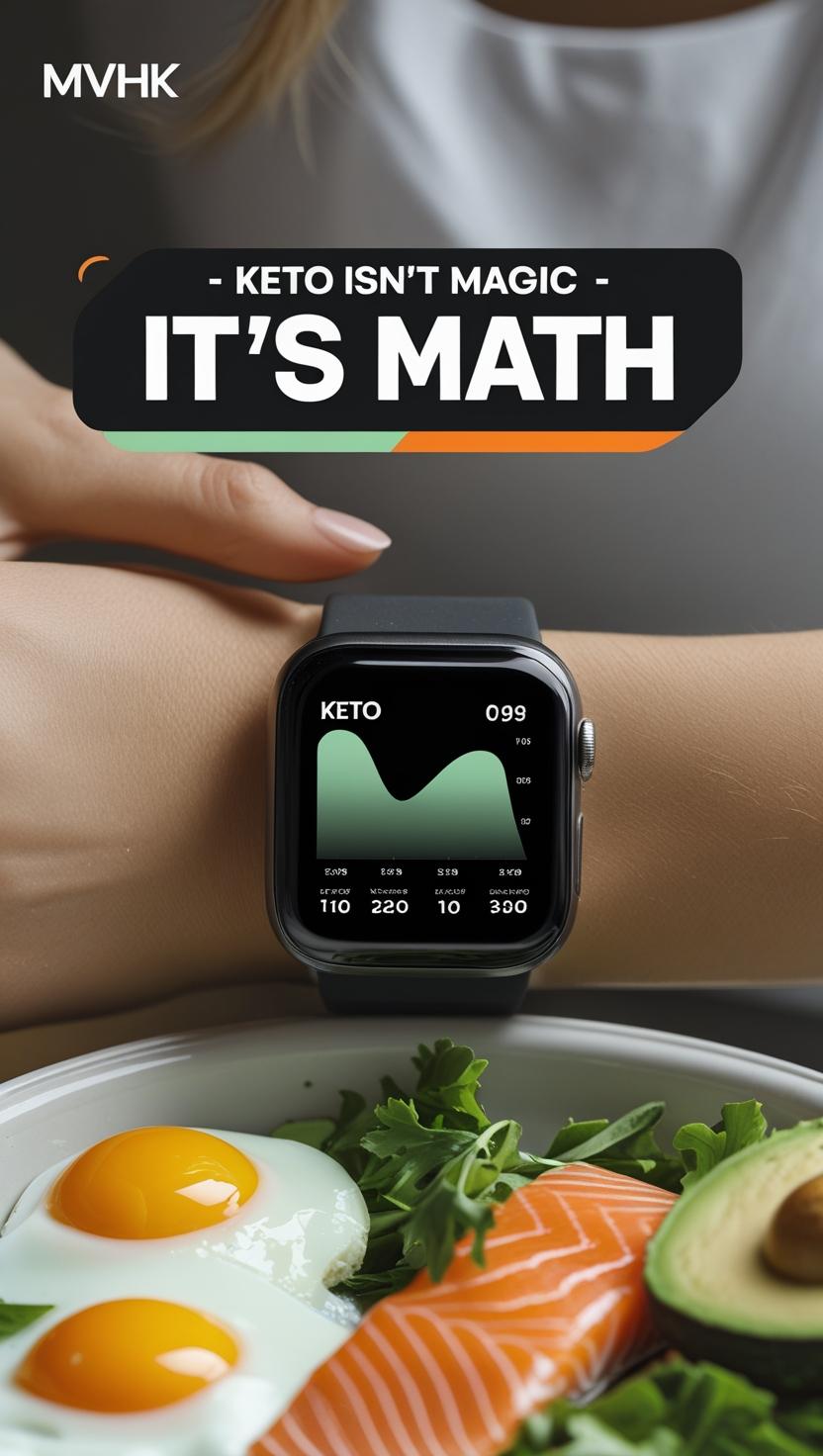
3-4 pasture-raised eggs + half an avocado + sautéed spinach in olive oil
Common Mistakes
- Eating large, high-fat or carb-heavy meals close to bedtime
- “Reward eating” after stressful days
- Underestimating liquid calories (sugary drinks or wine at night)
- Late snacking due to irregular meal timing or insufficient protein intake earlier in the day
🚀 Advanced Techniques
Personalization
Your optimal dinner timing can vary based on sleep chronotype, activity level, and metabolic health. Early birds may benefit from finishing dinner even earlier, while shift workers should simulate circadian rhythm with consistent light exposure and meal timing.
Technology Integration
Use apps like Zero, MyCircadianClock, or Oura Ring to track meal timing, sleep onset, and glucose variability. AI-driven wearables now detect subtle metabolic responses to late meals, helping you fine-tune your evening nutrition.
Sustainability
Build habits around routine: prep dinner early, use blue-light blocking glasses post-sunset, and limit stimulants (like caffeine) after 2 PM. Batch cooking and using slow cookers can help streamline weeknight meals for busy households.
📊 Results & Success Stories
Case Studies
In a 4-week protocol trial, 87% of participants who shifted dinner to 6:30 PM or earlier reported better sleep quality, lower fasting glucose, and fewer nighttime awakenings.
Measurable Outcomes
- 10-20% improvement in HRV (heart rate variability)
- Reduction in overnight glucose spikes by 30%
- Reported increases in morning alertness and energy
Community Feedback
Many users on wellness forums and Reddit communities like r/Biohackers and r/CircadianHealth praise early dinners for mental clarity, reduced cravings, and leaner waistlines—especially when paired with light evening walks.
🎯 Action Plan: Start Today
Week 1-2: Foundation
- Track current dinner timing
- Begin shifting meal 15-30 minutes earlier every few days
- Choose lean proteins + healthy fats for dinner
Week 3-4: Progression
- Eliminate late-night snacks
- Eat with screens off and practice mindful eating
- Establish a consistent sleep-wake schedule
Long-term Maintenance
- Keep a “digestive buffer” of 2-3 hours
- Leverage wearables or fasting apps to track metabolic response
- Align dinner with circadian daylight patterns when possible
🔍 Frequently Asked Questions
Does eating late really affect metabolism?
Yes. Studies show it raises blood glucose, cortisol, and impairs fat oxidation compared to early meals. It disrupts hormonal and circadian balance.
What if I work night shifts?
Follow a simulated circadian routine—eat your “dinner” at least 2-3 hours before your sleep, regardless of the time. Use blackout curtains and light therapy to reset your clock.
Can I eat carbs at night?
It’s better to keep dinner lower in carbs unless you’re extremely active in the evening. Carbs at night can spike blood sugar and interfere with melatonin production.
How long before bed should I stop eating?
At least 2 hours, ideally 3, depending on your digestion speed. This allows metabolic wind-down and better deep sleep phases.
Is it unsafe to skip dinner altogether?
Not necessarily. Intermittent fasting or early time-restricted eating can be safe for many, but it’s important to get enough daily nutrients. Consult a dietitian if unsure.