Keto Weight Loss Isn’t Magic — It’s Appetite Control
Is keto really the ultimate fat-burning machine? With influencers hyping it as a metabolic miracle, it’s easy to believe keto torches fat in ways no other diet can. But here’s what the data actually shows: keto works not because it magically alters metabolism, but because it reduces your appetite — leading people to naturally consume 400 to 900 fewer calories a day.
In this post, we’ll bust the myths behind ketogenic fat loss, explore the real mechanisms of its success, and help you personalize your fat-loss strategy with research-backed insights.
Spoiler alert: Any diet equated for protein and calories results in the same fat loss. Let’s dig into the truth — no magic required.
🎯 The Science Behind Keto & Appetite
Latest Research
A 2021 meta-analysis in Obesity Reviews found that low-carb ketogenic diets lead to weight loss — but not due to changes in energy expenditure or metabolic “switches.” Instead, participants naturally ate fewer calories.
Mayo Clinic, Harvard Health, and Precision Nutrition all agree: the majority of keto’s success stems from how it affects appetite — not metabolism.
Mechanisms
What’s really happening?
- Protein increases satiety: Keto is typically high in protein, which is the most satiating macronutrient.
- Fat slows digestion: Dietary fat keeps you fuller longer, reducing snack cravings.
- Food monotony limits intake: With fewer food options, people naturally reduce calorie intake.
- Stable blood sugar reduces hunger spikes: Lower carbohydrate intake prevents energy crashes that lead to overeating.
Expert Opinions
Dr. Stephan Guyenet, neuroscientist and author of The Hungry Brain, notes:
“The power of keto is in appetite suppression, not metabolic voodoo.”
Similarly, Precision Nutrition’s coaches emphasize that when calorie and protein intake are matched, keto performs the same as other diets in terms of fat loss.
💪 Implementation Guide
Getting Started
If you choose keto, aim for:
- 20–50g net carbs daily
- 25–30% protein
- 65–75% fat
Track your food for the first 2 weeks to identify hunger patterns.
If not using keto, you can still mimic its satiety benefits:
- Prioritize lean proteins
- Add healthy fats like olive oil, eggs, nuts
- Reduce ultra-processed foods
Progression Strategies
- Use appetite as your guide: If you’re not hungry, don’t force meals.
- Consider intermittent fasting, which complements keto for appetite regulation.
- Use biometric tracking apps (like Cronometer or Lumen) to monitor energy intake and fat oxidation.
Common Mistakes
- Overeating fat: Just because it’s “keto” doesn’t mean calories don’t count.
- Neglecting protein: Many “keto” plans emphasize fat too heavily.
- Ignoring fiber: Low fiber leads to poor gut health and increased hunger.
- Blindly trusting “keto” labels: Many packaged products are high in calories.
🚀 Advanced Techniques
Personalization
Personalize your diet using biometric data:
- Track how different meals affect your satiety and energy
- Monitor sleep quality, which affects hunger hormones
- Assess which foods help you stay full without overshooting calories
Technology Integration
Leverage tools:
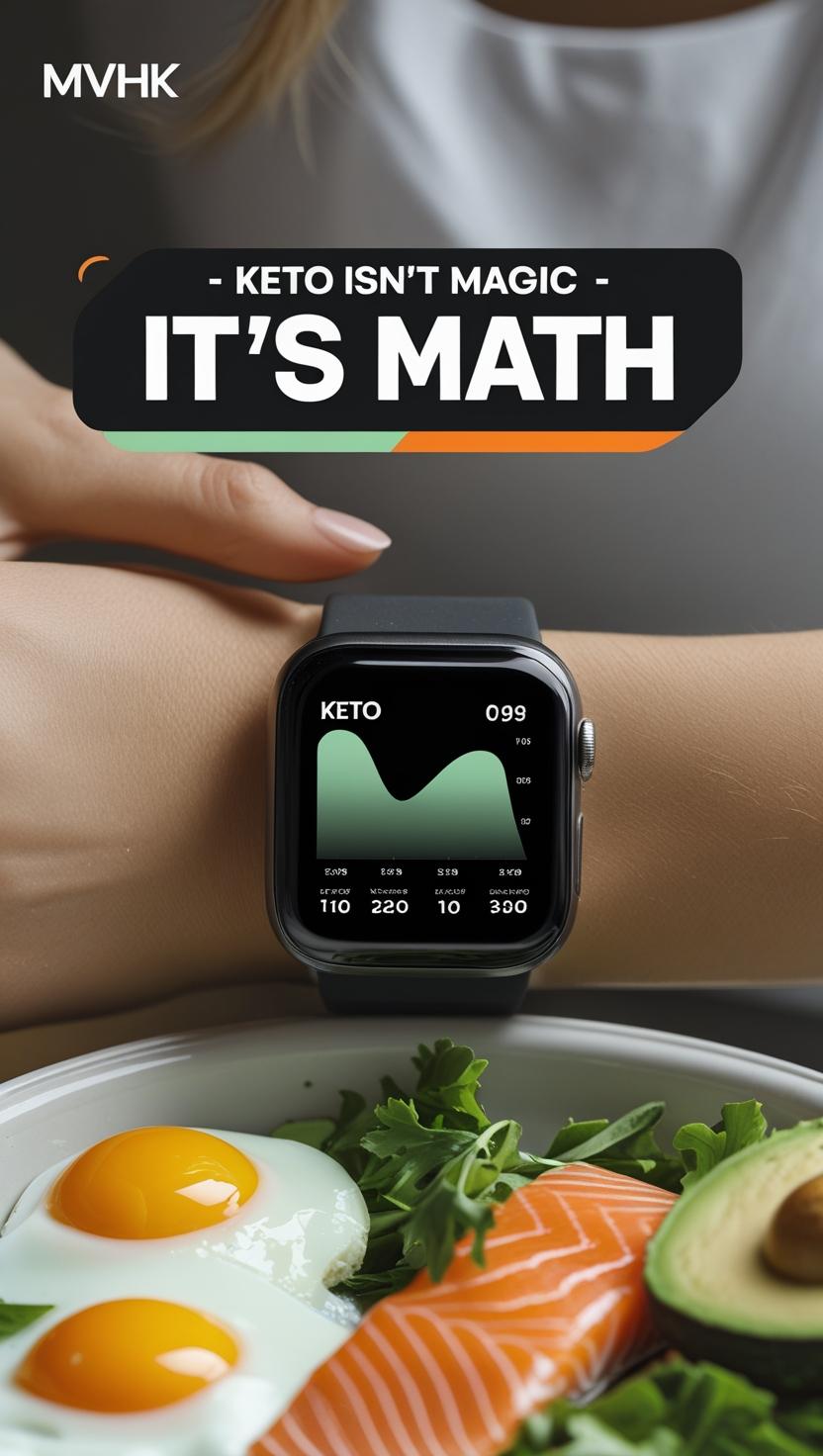
- Lumen to measure carb/fat burn
- Levels or Nutrisense to monitor glucose
- MacrosFirst for calorie tracking with keto presets
These tools help tailor your plan beyond generic macros.
Sustainability
Long-term success depends on:
- Flexibility: Incorporate refeed days or moderate-carb meals
- Simplicity: Rotate 5–10 staple meals
- Realism: Social events, family meals, and holidays happen — plan around them
Remember, sustainability beats perfection.
📊 Results & Success Stories
Case Studies
- Amanda, 34, lost 18 lbs in 4 months — not by cutting carbs drastically, but by tracking protein and choosing whole foods.
- Tony, 41, used keto for 3 months, then transitioned to a Mediterranean-style diet with similar calorie control — and kept the weight off.
Measurable Outcomes
- Hunger ratings dropped by 35% within 2 weeks (per study in Nutrition & Metabolism)
- Caloric intake reduced by 500+ calories in over 70% of subjects
- Fat loss rate: identical to calorie-matched non-keto groups
Community Feedback
Users across Reddit’s r/keto and r/loseit consistently report one thing:
“I wasn’t hungry, so I ate less. That’s why it worked.”
🎯 Action Plan: Start Today
Week 1–2: Foundation
- Choose your macro split (not necessarily keto)
- Prioritize whole food sources of protein and fat
- Begin journaling hunger levels
Week 3–4: Progression
- Integrate biometric tracking (wearable or app)
- Test satiety across different meals
- Adjust calories downward gradually
Long-term Maintenance
- Build food routines that work for you
- Embrace flexibility without guilt
- Use biofeedback (hunger, energy, mood) to guide tweaks
📌 Frequently Asked Questions
Is keto better than other diets for fat loss?
Only if it helps you eat fewer calories consistently. It’s not metabolically superior — it’s just easier for some people to stay full on keto.
What if I feel hungry on keto?
Increase protein and fiber intake. Also, reassess your fat sources — not all fats are equally filling.
Can I get the same results without doing keto?
Yes. Focus on calorie control, protein intake, and minimizing processed foods. That’s what truly drives results.
How long before I see results?
With consistent calorie control, many people see results in 2–4 weeks — but fat loss varies. Focus on trends, not daily fluctuations.
Is long-term keto safe?
Most healthy adults tolerate it short term. For long-term use, ensure you monitor lipids, kidney function, and fiber intake. Always consult a healthcare provider.