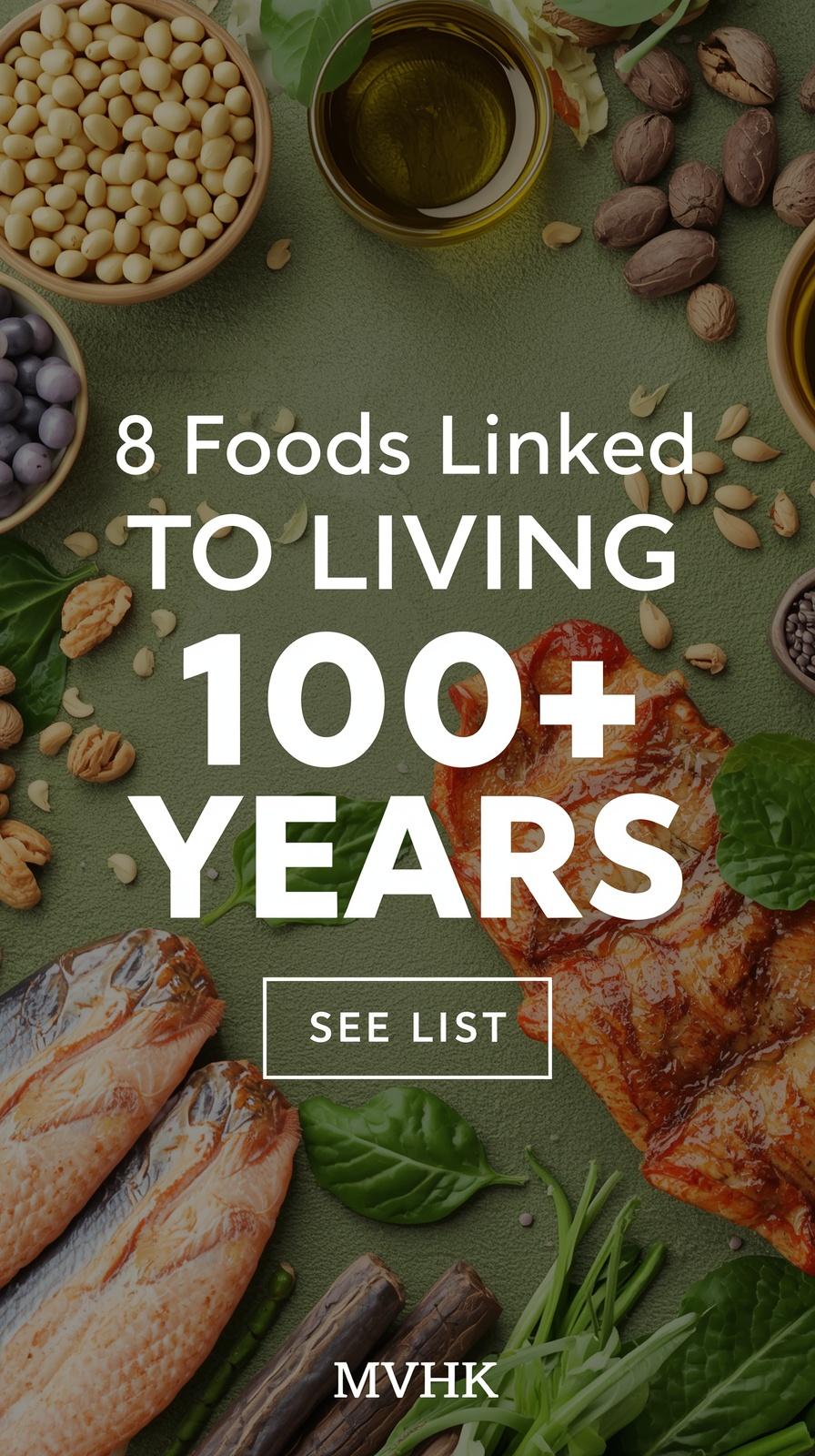
8 Longevity Foods Backed by Centenarian Diets
💡 Key Takeaways
- Centenarian diets consistently emphasize anti-inflammatory, nutrient-dense foods
- These foods improve mitochondrial function and insulin sensitivity
- Longevity benefits come from dietary patterns, not single “superfoods”
- Consistency over decades—not short-term dieting—drives results
Introduction
Reaching 100 years of age isn’t random—it follows biological patterns. When researchers analyze populations with exceptional longevity, one factor consistently stands out: dietary structure.
The latest observational data on centenarians shows a repeated cluster of foods that support metabolic stability, low inflammation, and sustained cellular function.
This isn’t about trendy superfoods or extreme diets. It’s about reinforcing core biological systems—especially mitochondrial health, insulin sensitivity, and inflammatory control—through everyday nutrition.
The key insight: longevity diets are less about restriction and more about consistent exposure to specific nutrient signals that promote repair over degeneration.
Here are the eight foods most consistently associated with long-lived populations—and the science behind why they matter.
What Is the Science Behind Longevity Foods?
Longevity foods work by influencing core aging pathways, particularly inflammation, mitochondrial efficiency, and metabolic regulation.
1. Legumes
Rich in fiber and plant protein, legumes:
- Improve insulin sensitivity
- Feed gut microbiota
Evidence-supported: Linked to reduced mortality risk (PubMed)
2. Leafy Greens
High in polyphenols and nitrates:
- Support vascular function
- Reduce oxidative stress
Evidence-supported: Associated with slower cognitive decline (Neurology, PubMed)
3. Olive Oil
Primary fat source in longevity regions:
- Anti-inflammatory (oleocanthal)
- Supports lipid metabolism
Evidence-supported: Mediterranean diet longevity data (NEJM)
4. Fish
Source of omega-3 fatty acids:
- Reduces inflammation
- Supports brain aging prevention
Evidence-supported: Lower cardiovascular risk (Lancet)
5. Nuts
Dense in healthy fats and micronutrients:
- Improve mitochondrial function
- Reduce oxidative damage
6. Whole Grains
Provide steady glucose release:
- Stabilize insulin
- Support metabolic flexibility
7. Berries
High in antioxidants:
- Reduce cellular damage
- Support brain function
8. Root Vegetables
Slow-digesting carbohydrates:
- Provide stable energy
- Support gut health
Mechanistic Summary
These foods converge on:
- Lower inflammation
- Improved insulin signaling
- Enhanced mitochondrial resilience
Hypothesis-Supported Layer
- Exact contribution of each food vs pattern
- Cultural and lifestyle interactions
How Do You Apply Longevity Foods Correctly?
You don’t copy a centenarian diet—you replicate its biological effects.
Core Principle:
Build meals that stabilize energy and minimize inflammatory spikes.
Daily Structure
Meal 1:
- Whole grains + nuts + berries
Meal 2:
- Legumes + vegetables + olive oil
Meal 3:
- Fish + leafy greens + root vegetables
Weekly Pattern
- Fish: 2–4x/week
- Legumes: daily
- Vegetables: every meal
- Processed foods: minimal
Critical Rules
- Avoid ultra-processed foods
- Prioritize food quality over calories
- Maintain consistency
Safety Notes
- Adjust carbs for metabolic conditions
- Ensure adequate protein intake (especially over 50)
What Advanced Strategies Improve Results?
1. Combine With Metabolic Timing
- Time-restricted eating enhances benefits
2. Personalize Macronutrients
- Higher protein for muscle preservation
- Adjust carbs based on activity
3. Track Biomarkers
- Glucose variability
- Inflammatory markers
4. Food Quality Optimization
- Extra virgin olive oil
- Wild-caught fish
What Results Can You Realistically Expect?
Short-Term (2–4 weeks)
- Improved digestion
- Stable energy
Mid-Term (1–3 months)
- Better glucose control
- Reduced inflammation
Long-Term (years)
- Lower chronic disease risk
- Improved healthspan
Anti-Hype Reality
- No single food extends lifespan
- Effects depend on total lifestyle
- Genetics still plays a role
4-Week Practical Action Plan
Week 1:
Add vegetables to every meal
Week 2:
Replace refined carbs with whole grains
Week 3:
Introduce legumes daily
Week 4:
Add fish + optimize fat sources
Frequently Asked Questions
1. Are these foods enough to ensure longevity?
No. They support longevity but must be combined with lifestyle factors.
2. Can I replace fish with supplements?
Whole foods provide additional benefits beyond isolated nutrients.
3. How strict do I need to be?
Consistency matters more than perfection.
4. Are carbs harmful for longevity?
Not when coming from whole, unprocessed sources.
5. Is this diet suitable for everyone?
It’s adaptable, but individual conditions require personalization.
References
- PubMed: Diet and longevity studies
- NEJM: Mediterranean diet research
- Lancet: Cardiovascular nutrition
- Nature: Aging and metabolism
- Cell: Nutrient sensing pathways