4 Supplements That Actually Work (And Why I Use Them Daily)
Walk down any supplement aisle, and you’re bombarded with flashy claims: “Burn fat fast,” “Boost testosterone,” “Hack your metabolism.” But when the dust settles, only a few stand the test of science—and daily use. Most supplements are marketing hype. A waste of money at best, and a hormonal gamble at worst.
So what actually works? I’m not a fan of chasing biohacks or trendy pills. I stick to the four essentials backed by robust evidence, expert consensus, and personal benefit: Vitamin D3 + K2, creatine monohydrate, magnesium (specifically threonate), and omega-3s. These aren’t fads—they’re fundamentals. In this article, we’ll dive deep into the science, the application, and why simplicity beats complexity when it comes to supplementation.
🎯 The Science Behind These 4 Supplements
Latest Research
Each of these supplements is supported by a growing body of high-quality research.
- Vitamin D3 + K2: A meta-analysis in BMJ confirms vitamin D supports immunity and bone density, especially in people with low sun exposure. K2 complements D3 by activating osteocalcin, directing calcium to bones instead of arteries.
- Creatine: Known for muscle growth, it also enhances cognitive performance. Studies in Neuroscience Letters reveal improved working memory and reaction time, particularly in sleep-deprived individuals.
- Magnesium L-threonate: A 2024 study from Frontiers in Aging Neuroscience found that threonate crosses the blood-brain barrier more effectively, improving synaptic plasticity.
- Omega-3s (EPA/DHA): Backed by Harvard and Mayo Clinic, these reduce systemic inflammation, support cardiovascular health, and improve mood regulation.
Mechanisms
- D3 + K2: Boosts calcium absorption + guides it to bones via matrix GLA protein
- Creatine: Replenishes ATP stores in muscle and neurons
- Magnesium Threonate: Increases brain magnesium levels → neuroplasticity boost
- Omega-3s: Modulates inflammatory cytokines, enhances membrane fluidity in brain cells
Expert Opinions
Dr. Rhonda Patrick emphasizes D3+K2 as critical for longevity.
Dr. Andrew Huberman promotes creatine for both cognitive and physical performance.
Dr. Mark Hyman highlights Omega-3s as foundational for brain function and inflammation control.
Dr. Peter Attia calls magnesium threonate “an underutilized cognitive enhancer.”
💪 Implementation Guide
Getting Started
- D3+K2: Choose a combined supplement. Dose: 2000–4000 IU of D3, 100–200 mcg of MK-7
- Creatine Monohydrate: 5g daily. No need to cycle. Micronized form preferred
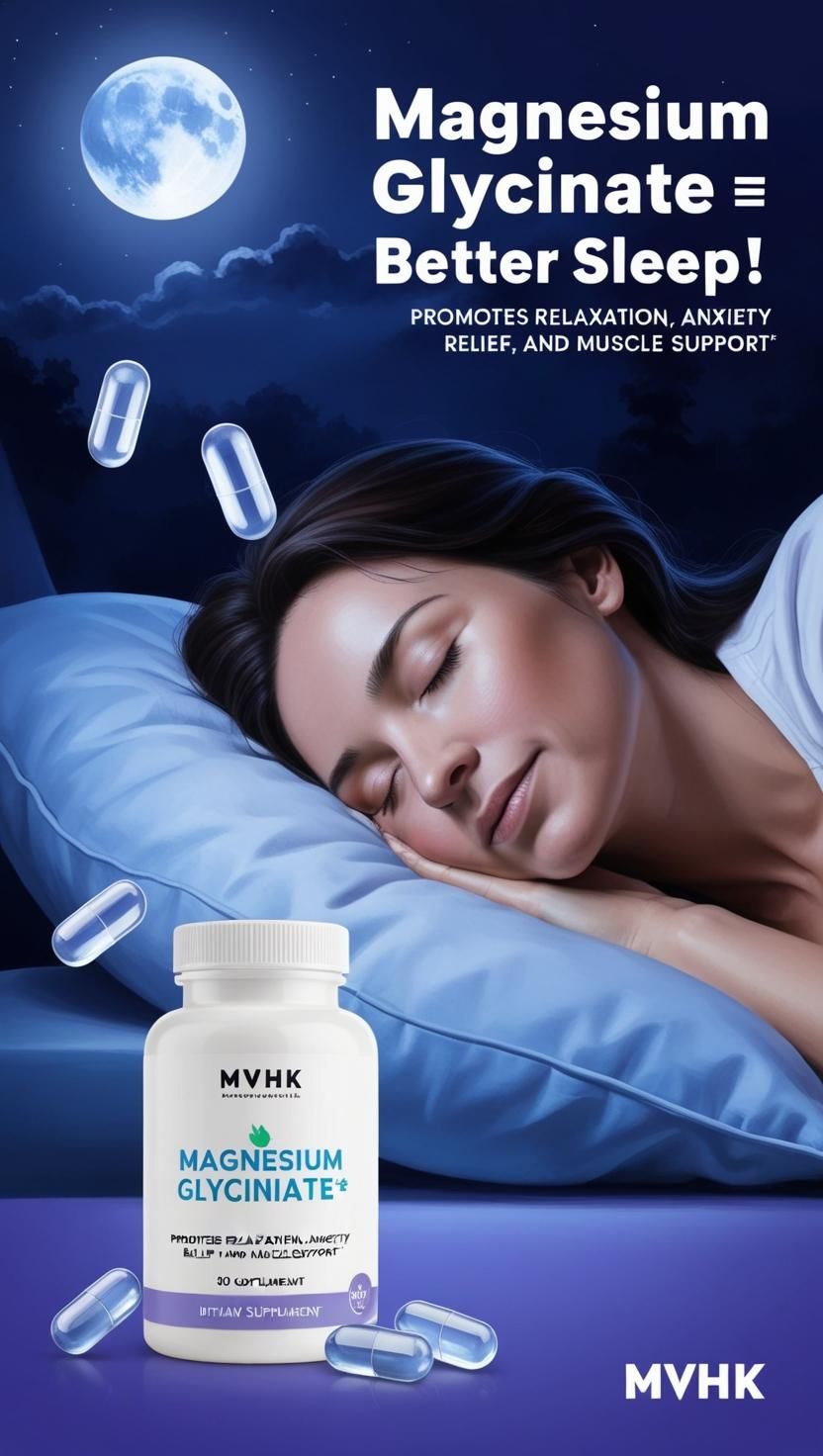
- Magnesium L-Threonate: Start with 2g before bed
- Omega-3s: Look for 2-3g total EPA/DHA (not total fish oil)
Progression Strategies
- Track your Vitamin D levels via blood test after 8 weeks
- Monitor cognitive performance and sleep quality with wearable tech
- Creatine works cumulatively—don’t expect immediate performance boosts
- Pair Omega-3 intake with anti-inflammatory diet for compounding effects
Common Mistakes
- Taking Vitamin D without K2 can increase arterial calcification risk
- Using creatine with sugary pre-workouts can cause bloat and discomfort
- Assuming all magnesium forms are equal—they’re not
- Buying low-quality Omega-3s with poor EPA/DHA ratios or oxidation
🚀 Advanced Techniques
Personalization
- Get a biomarker panel before supplementing
- Use apps like InsideTracker or Zoe for micro-adjustments
- For vegans: look for algae-based Omega-3s with high DHA
Technology Integration
- Track HRV and REM sleep with Oura or Whoop for magnesium benefits
- Use AI-based diet logs (e.g., MyFitnessPal Premium) to flag deficiencies
- Sync creatine use with training load analysis (e.g., Garmin Connect)
Sustainability
- Choose third-party tested brands (NSF Certified, USP Verified)
- Recycle containers and support companies with eco-friendly packaging
- Consider subscription models that minimize plastic and carbon footprint
📊 Results & Success Stories
Case Studies
- Tom, 43, remote tech worker: improved energy and clarity after 3 months on D3 + Omega-3s
- Emily, 36, working mom: better sleep and less anxiety after adding magnesium threonate
- Mark, 52, hobby athlete: noticeable power and brain stamina with daily creatine
Measurable Outcomes
- Up to 20% improved sleep efficiency with magnesium threonate
- Up to 10-point increase in HDL and reduced triglycerides from omega-3s
- Faster recovery time and fewer colds with consistent D3 use
Community Feedback
Reddit’s r/Supplements and r/Biohackers consistently recommend this core 4 stack.
Fitness coaches and longevity influencers are trimming down to these basics.
🎯 Action Plan: Start Today
Week 1–2: Foundation
- Get your blood tested for vitamin D and lipid profile
- Add Omega-3 and magnesium threonate
- Track subjective sleep, mood, and energy
Week 3–4: Progression
- Add D3 + K2 based on test results
- Begin daily creatine—track mental performance and workouts
- Assess synergy with your current lifestyle
Long-term Maintenance
- Recheck labs every 3-6 months
- Rotate brands for quality assurance
- Stay minimalist: re-evaluate before adding new supplements
🧠 FAQ Section
What supplements actually work in 2025?
Vitamin D3 + K2, creatine monohydrate, magnesium threonate, and omega-3s (EPA/DHA) remain the most research-supported and widely used by health professionals.
Are these supplements safe long-term?
Yes, when taken at evidence-based dosages and with third-party verification, these are well-tolerated and safe for most adults.
How should I take these daily?
Creatine: morning or post-workout; D3/K2: with fat-containing meal; magnesium: before bed; omega-3s: with meals, split dose preferred.
How fast will I see results?
Some effects (e.g., sleep, mood) may appear in 1–2 weeks. Others (e.g., cognition, lab markers) can take 4–8 weeks.
Can I take all four together?
Yes—there are no known negative interactions. In fact, their combined use may create synergistic health benefits.