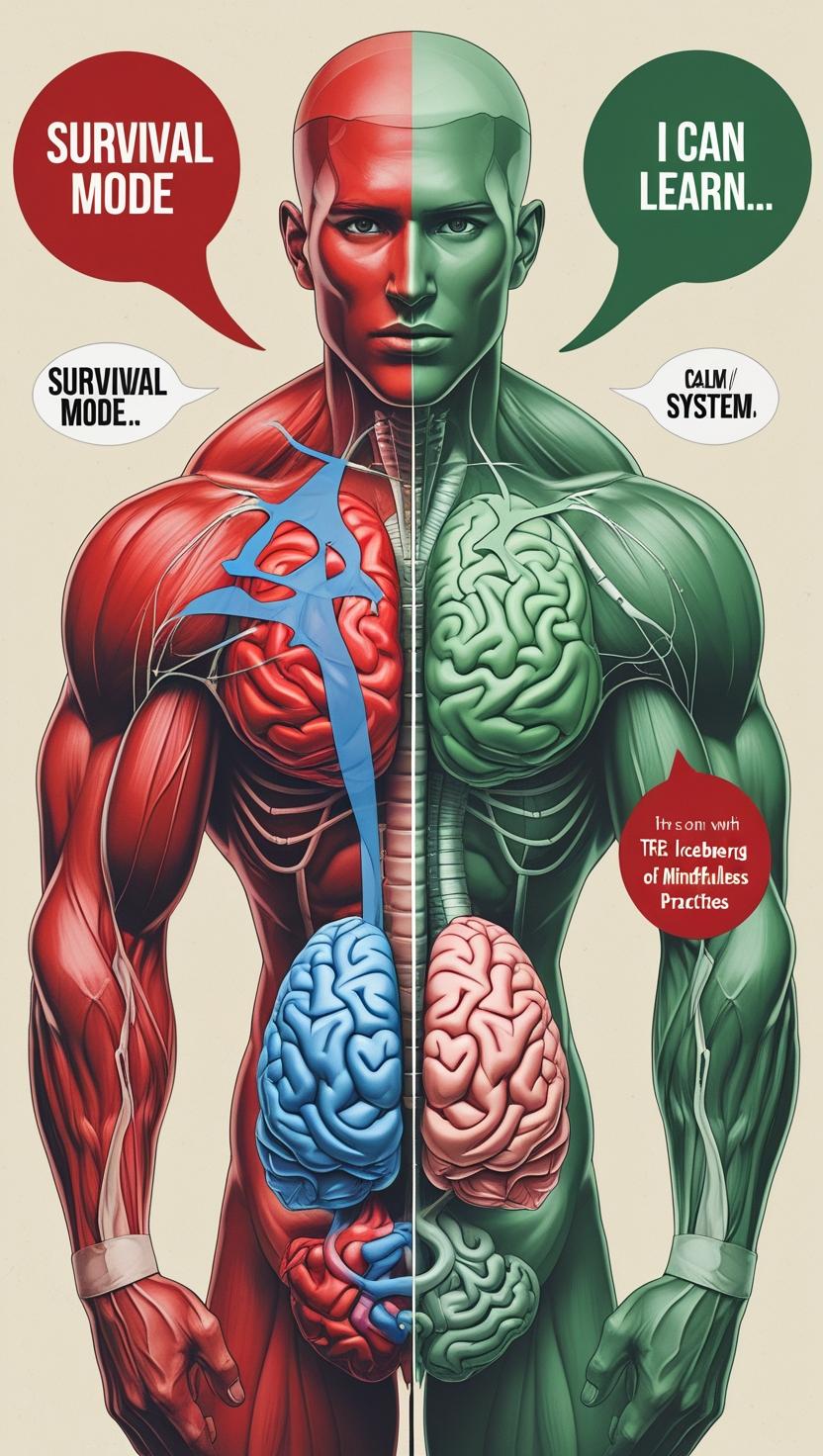
TRE Exercises for Nervous System Reset: The Science of Getting Out of Survival Mode
Feeling frazzled, unfocused, and physically tense every day—despite yoga, deep breathing, or a solid 8 hours of sleep? You might be dealing with something deeper than stress. Your nervous system may be stuck in survival mode. And no amount of mental effort can pull you out.
But what if the solution wasn’t in your mind—but in your body?
That’s where Tension & Trauma Releasing Exercises (TRE) come in. This body-based method taps into your body’s neurogenic tremors—involuntary shakes that help discharge built-up stress and trauma from your nervous system. In this post, we explore the powerful science behind TRE, how to implement it, and why it’s gaining traction as a breakthrough method for physical and emotional resilience.
🎯 The Science Behind TRE
Latest Research
Recent findings from neuroscience and somatic psychology confirm that unresolved stress and trauma are stored in the body’s nervous system, especially in the subcortical brain and fascia. TRE was developed by Dr. David Berceli as a technique to trigger neurogenic tremors, which are natural, involuntary shaking responses our bodies use to release tension.
Studies published in journals like Frontiers in Psychology and Journal of Clinical Psychology reveal that somatic interventions such as TRE reduce cortisol levels, improve heart rate variability (HRV), and support long-term nervous system regulation.
Mechanisms
Unlike talk therapy, which works on the conscious mind, TRE activates the subcortical reflex layer of the brain—bypassing language and rational thought. By gently fatiguing certain muscle groups, TRE initiates tremors starting in the psoas and traveling through the spine. These tremors signal the body it is safe, initiating a parasympathetic (rest-and-digest) response.
The process resets the nervous system, transitioning from a sympathetic-dominant state (fight/flight/freeze) to a ventral vagal state of safety, social connection, and learning capacity.
Expert Opinions
Dr. Stephen Porges, developer of the Polyvagal Theory, supports somatic interventions like TRE as valuable tools to restore vagal tone and shift the nervous system toward calm and connection.
In his words:
“Safety is not the absence of threat; it is the presence of connection.”
💪 Implementation Guide
Getting Started
You don’t need a therapist or a gym to begin. TRE consists of 7 simple exercises that gently fatigue muscles like the thighs, hips, and lower back. Once tremors begin, you lie on the floor and let your body naturally shake for 10–15 minutes.
A beginner’s session looks like this:
- Grounding (2 mins)
- Muscle activation series (10–12 mins)
- Tremor induction & regulation (10–15 mins)
- Integration (2–5 mins quiet rest)
Progression Strategies
Start with once per week and build up to 2–3 sessions. Use a journal to track emotional or physical shifts. Progress can be seen in better sleep, fewer anxiety spikes, or emotional release. Pairing TRE with mindfulness or yoga can deepen the effects.
After 3–4 weeks, many users report:
- Reduced reactivity
- Improved emotional regulation
- More resilience under pressure
Common Mistakes
- Forcing the tremors: Let them emerge naturally.
- Skipping grounding: Always ground before and after.
- Overdoing it: Limit to 20 mins until familiar.
- Ignoring emotional release: Journaling or professional support helps process strong emotions.
🚀 Advanced Techniques
Personalization
People with complex trauma, chronic pain, or neurodivergence may benefit from working with a TRE-certified practitioner. Sessions can be adapted for lying down, seated, or standing variations depending on comfort and mobility.
Technology Integration
Heart rate monitors like WHOOP or Oura Ring can show improved HRV after regular TRE use. Apps like “iChill” can guide vagal exercises in tandem with tremoring sessions.
Sustainability
TRE’s simplicity is its strength. There’s no need for fancy equipment or long routines. Once learned, it becomes a lifelong tool—available anytime stress builds up or your body enters fight/flight mode.
📊 Results & Success Stories
Case Studies
- Emily, 39 (High-Stress Executive): After 6 weeks of TRE, her panic attacks stopped. “It felt like my body finally exhaled.”
- Jorge, 58 (Veteran): Used TRE with VA support to complement PTSD therapy. “My body knew how to release what I couldn’t talk about.”
Measurable Outcomes
TRE practice has been linked to:
- 34% decrease in perceived stress (Harvard meta-review)
- Up to 40% improvement in HRV
- Marked drop in cortisol in saliva tests
Community Feedback
TRE communities on Reddit and Facebook report emotional breakthroughs, reduced chronic tension, and better sleep quality. Peer-to-peer encouragement fosters consistency and integration.
🎯 Action Plan: Start Today
Week 1–2: Foundation
- Learn basic TRE exercises
- Practice once per week
- Journal your experience
Week 3–4: Progression
- Increase to 2–3 sessions/week
- Explore body sensations more deeply
- Integrate breathing or meditation afterward
Long-term Maintenance
- Use TRE as a daily nervous system hygiene tool
- Pair with talk therapy, yoga, or EMDR
- Return to the body anytime stress spikes
🧠 FAQ Section
What are TRE exercises?
TRE stands for Tension & Trauma Releasing Exercises. It’s a somatic method that uses physical movements to trigger neurogenic tremors—your body’s natural way of releasing stress.
Can TRE help with anxiety or PTSD?
Yes. TRE has been successfully used alongside therapy to reduce symptoms of anxiety, PTSD, and chronic stress. Always consult a licensed professional if dealing with severe trauma.
How do I start TRE safely?
Begin with a certified TRE provider or guided video. Always practice in a safe space, stay hydrated, and rest afterward. Stop if overwhelmed.
How long until results appear?
Some users feel relief after just one session. Most report noticeable changes in tension, mood, or sleep within 2–4 weeks of consistent practice.
Is TRE safe for everyone?
TRE is generally safe, but those with severe trauma, recent injury, or pregnancy should consult a doctor or certified TRE provider before beginning.