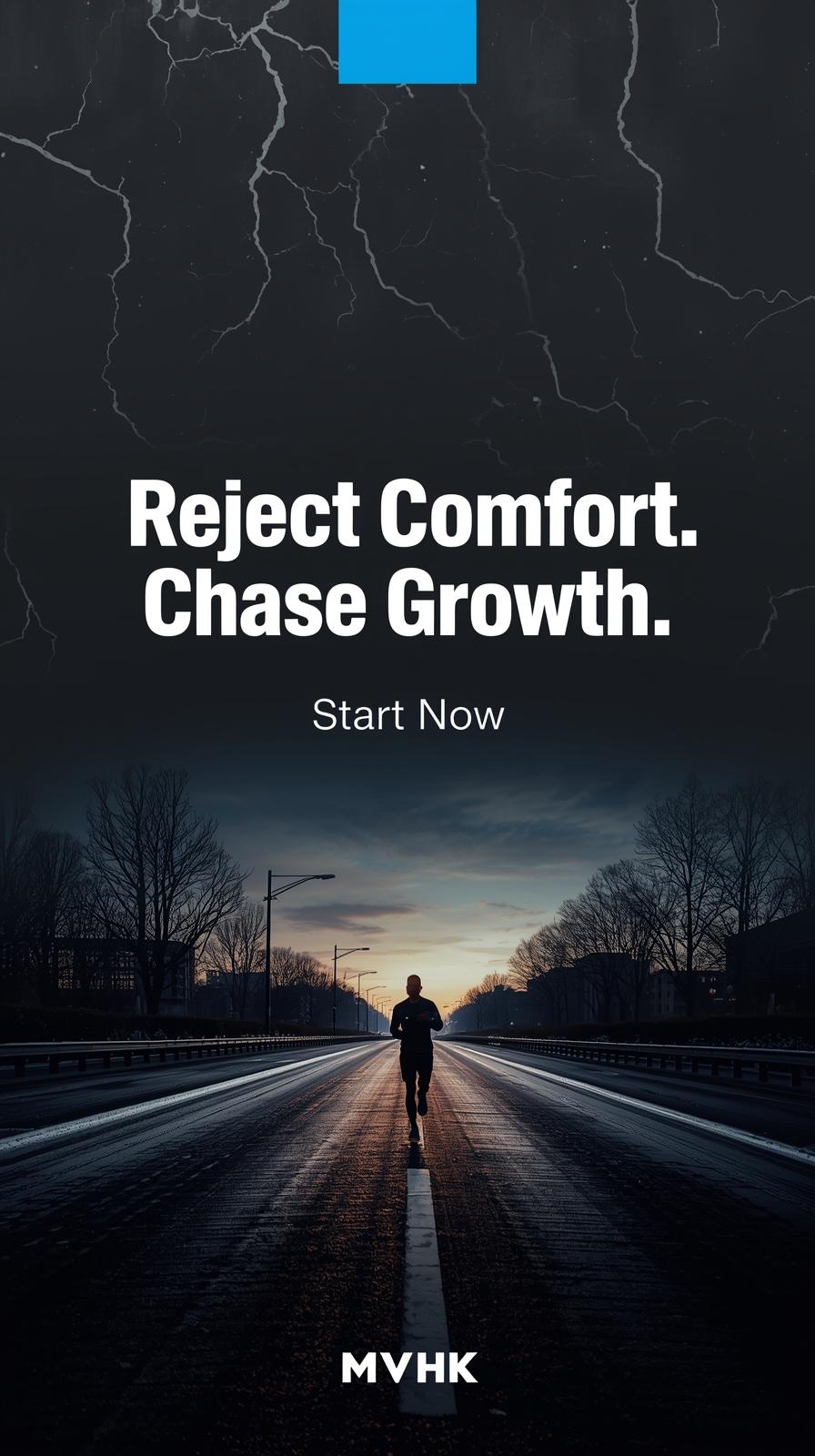
Reject Comfort: Build Discipline and Lasting Strength
We live in a culture of convenience: one-click shopping, instant food delivery, endless entertainment. But while comfort increases, so do anxiety, obesity, and depression. The paradox? Comfort is weakening us.
Discipline isn’t about deprivation—it’s about unlocking your untapped potential. In this guide, we’ll break down how deliberately rejecting comfort creates long-term strength, resilience, and a sustainable, high-performance life. This isn’t about masochism—it’s about evolution.
🎯 The Science Behind Rejecting Comfort
Comfort Kills Adaptation
Scientific literature confirms that consistent exposure to physical and psychological discomfort improves adaptability, stress tolerance, and resilience (1). Hormesis—a biological phenomenon—proves that low-dose stress (cold, heat, fasting, hard training) triggers cellular and systemic growth (2).
Neuroplasticity and Challenge
Discipline reshapes the brain. Regular effort under resistance strengthens the prefrontal cortex (executive function) and reduces amygdala reactivity (emotional reactivity) (3). This means greater emotional regulation, better decision-making, and lower impulsivity.
Delayed Gratification = Longevity Edge
Stanford marshmallow experiment follow-ups show long-term success correlates with impulse control. In fitness, nutrition, and mental resilience, rejecting momentary comfort leads to exponentially better outcomes over time (4).
Expert Opinions
- Dr. Andrew Huberman: “Discomfort is the price of plasticity.”
- David Goggins: “You will never learn from people who pamper you. Get used to being uncomfortable.”
- Jocko Willink: “Discipline equals freedom.”
💪 Implementation Guide
Start Small: Choose Your Discomfort
You don’t have to start with Navy SEAL training. Try:
- Cold showers (2 minutes daily)
- Daily walks before sunrise
- 30-minute zone 2 cardio fasted
- Intermittent fasting (16:8)
- Saying “no” to small indulgences (sugar, social scrolling)
Stack Disciplines Strategically
Habit stacking boosts consistency. E.g.:
- Wake → hydrate → 10 push-ups → 5-min meditation → cold shower
- Work break → walk outside with audiobook → journal reflection
Track Progress with Precision
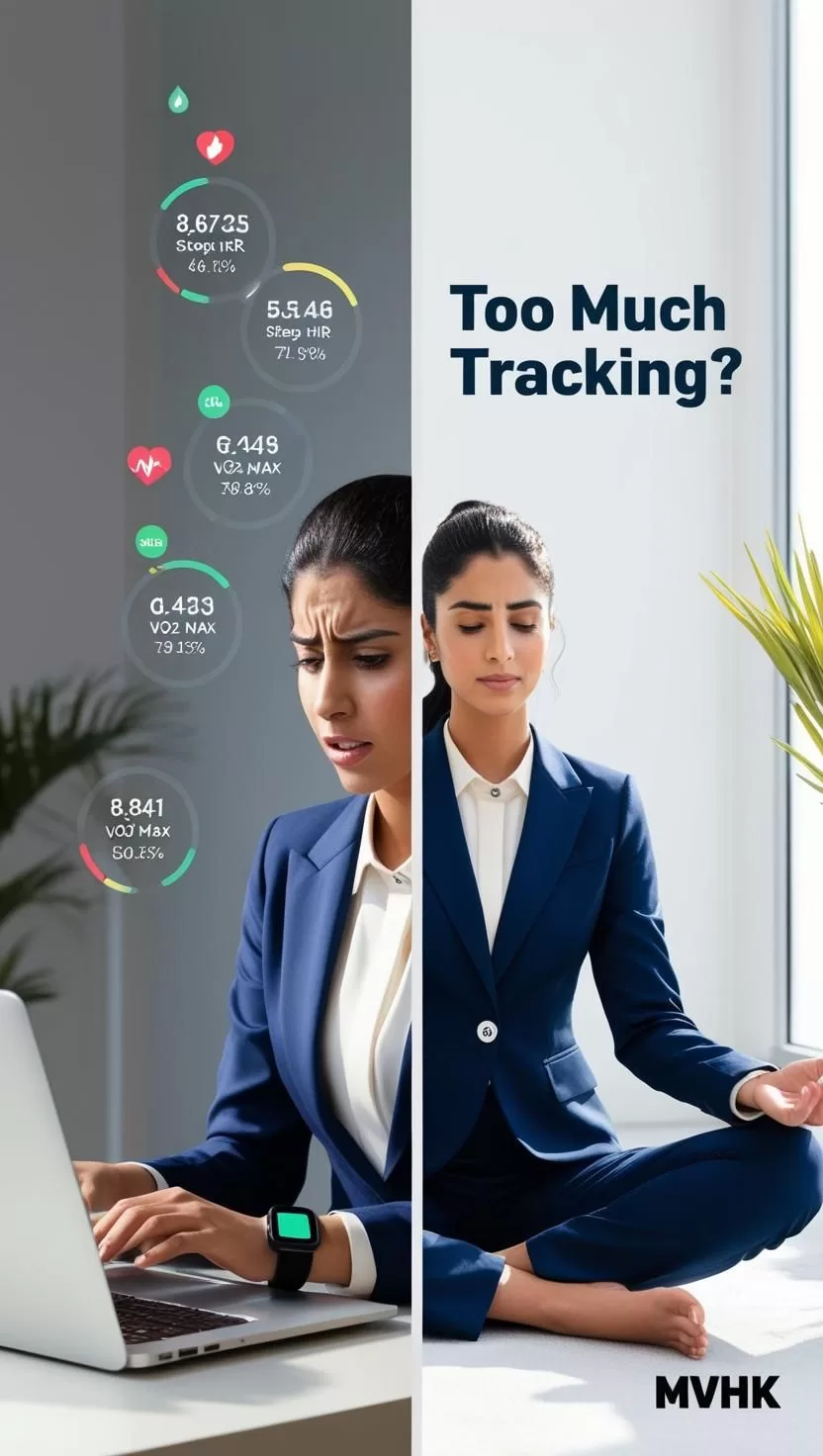
Use apps like Zero (fasting), Whoop (recovery), Streaks (habits), or AI fitness apps (e.g., Tempo, Aaptiv) to gamify discomfort and make it addictive.
Common Mistakes
- Going too hard too soon → leads to injury or burnout
- Obsessing over perfection → aim for 80% consistency
- Comparing your discomfort to others → it’s a solo journey
🚀 Advanced Techniques
Personalization with Biometric Feedback
Use HRV (Heart Rate Variability) to adjust intensity: lower HRV? Go light. High HRV? Push your edge. This allows sustainable overreaching without burnout.
Technology Integration
Leverage wearable data:
- Oura Ring for readiness + sleep
- Apollo Neuro for stress modulation
- Eight Sleep to optimize temperature-induced discomfort for better sleep
Make It a Lifestyle, Not a Sprint
Integrate discomfort into identity:
- “I’m the kind of person who trains even when I don’t feel like it.”
- Normalize “hard” as the entry fee to long-term growth
📊 Results & Success Stories
Case 1: Digital Nomad, 32
Adopted daily 6 a.m. cold exposure + zone 2 cardio. Outcome? Lost 12 lbs in 8 weeks, stabilized anxiety, improved HRV by 18 points.
Case 2: Comeback Warrior, 48
After divorce + job loss, embraced “discipline-first” lifestyle. Trained daily, meal prepped, and reduced alcohol. 6 months later? Back in control, running Spartan Races.
Community Feedback
- “Comfort made me soft. Discomfort made me proud.”
- “Tracking small wins through struggle gave me more confidence than any therapist ever could.”
- “It’s not about the grind—it’s about who I’m becoming.”
🎯 Action Plan: Start Today
Week 1-2: Foundation Phase
- Wake same time daily
- 5 mins cold exposure
- Walk before breakfast
- 10-min silent sit (no phone)
Week 3-4: Progression Phase
- Add 30-min strength training (3x/week)
- Fast until 11 a.m. (16:8)
- Ditch ultra-processed foods
- Log daily discomfort wins
Long-Term: Maintain + Evolve
- Challenge yourself monthly: 24-hour fast, long hike, solo trip
- Reflect weekly: what did I resist? What did I conquer?
- Build community around discomfort → accountability increases sustainability
❓ Frequently Asked Questions
Why is rejecting comfort necessary?
Because growth only happens under resistance. Comfort is the enemy of adaptation. Without challenge, your body, brain, and spirit atrophy.
Is this approach sustainable long-term?
Yes—if personalized and scaled intelligently. Avoid extremes. The goal is consistent manageable stress, not punishment.
How do I start rejecting comfort without overwhelming myself?
Pick one domain (sleep, food, training) and apply 1 uncomfortable change for 7 days. Then stack. Start small, build relentlessly.
How soon will I see results?
Mental changes (focus, willpower) happen in 1–2 weeks. Physical shifts take 4–8 weeks. Real transformation? 6 months of sustained effort.
Is this safe for people with chronic conditions or older adults?
Yes, but consult your physician. Discomfort should be relative, not reckless. Focus on low-risk resilience practices like walking, fasting, and sleep training.