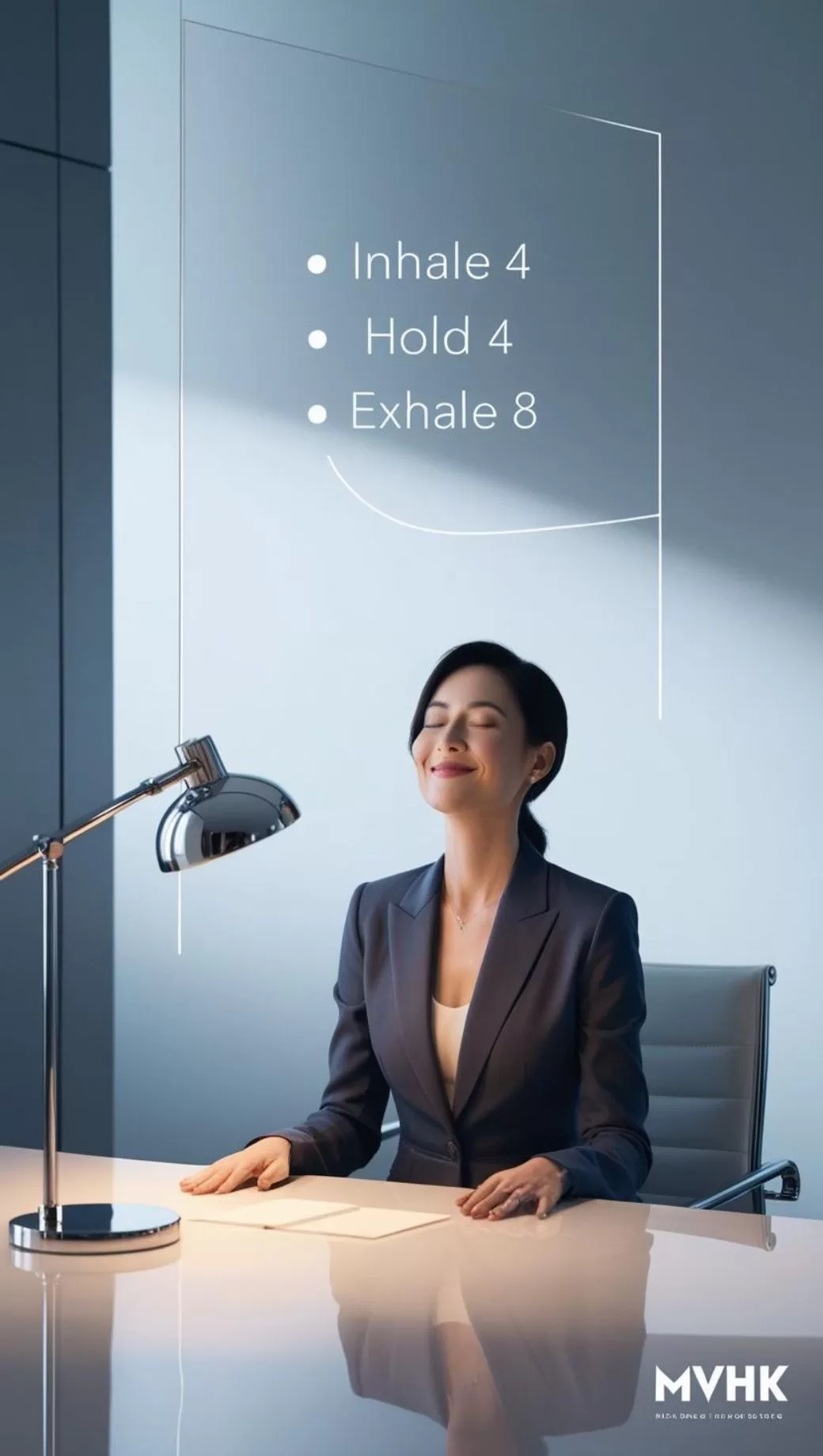
Regulate Your Nervous System: How to Switch Between Stress and Calm for Daily Energy
🔥 Introduction
Your autonomic nervous system (ANS) runs the show when it comes to energy, focus, and stress. If you’ve ever felt drained by noon, tense during meetings, or wired when trying to sleep, your ANS might be stuck in the wrong gear. Learning to shift between the 4 key nervous system states—sympathetic activation, sympathetic strengthening, parasympathetic activation, and parasympathetic strengthening—can give you back control of your energy and mental state. In this article, we’ll show you exactly how to do it.
1️⃣ Understand the 4 Nervous System States
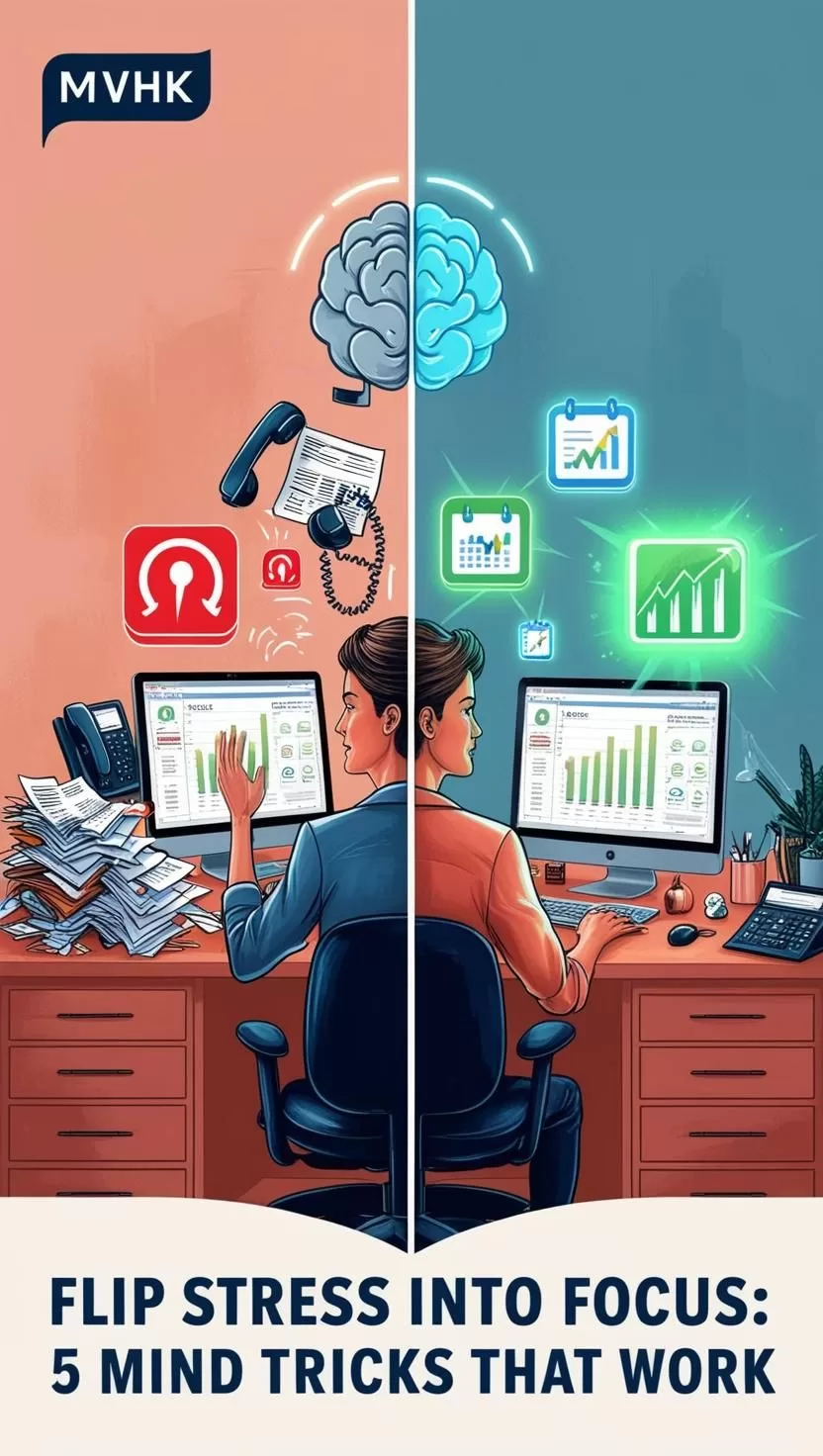
🔄 Sympathetic Activation (Stress Mode)
This is your fight-or-flight response. Heart rate increases, digestion slows, muscles tense. It’s vital in emergencies but harmful when chronic.
Triggers:
- Deadlines
- Email overload
- Multitasking
Signs:
- Shallow breathing
- Tension headaches
- Racing thoughts
💪 Sympathetic Strengthening (Eustress)
Short bursts of positive stress that build resilience. Think of it as weightlifting for your stress response.
Examples:
- A challenging workout
- Public speaking with preparation
- Controlled cold exposure
Benefits:
- Enhances mental sharpness
- Improves tolerance to future stress
2️⃣ Parasympathetic Activation (Deep Calm)
🌿 What It Does:
- Slows heart rate
- Promotes digestion and healing
- Stimulates relaxation and sleep
Techniques to Trigger:
- Deep breathing (box breathing, 4-7-8)
- Guided meditations
- Nature exposure
🧠 Parasympathetic Strengthening (Resilience Training)
Not just relaxing—but training your body to stay calm under pressure.
How:
- Meditation during chaos
- Breath-holds under mild stress
- Practicing stillness before high-stakes events
3️⃣ How to Cycle These States Throughout Your Workday
⏰ Morning: Stimulate Sympathetic Strengthening
- Cold shower
- Light exercise (10–20 mins)
- Caffeinate with intention (before 10:30 AM)
🕛 Midday: Balance with Parasympathetic Activation
- Breathwork (box breathing or coherent breathing: inhale 5s, exhale 5s)
- Walk outside, no phone
- Eat away from screens
🕔 Afternoon Push: Intentional Eustress
- Stand-up meeting
- Energizing music
- Short HIIT break (1–3 mins)
🌙 Evening: Deep Parasympathetic Activation
- Digital sunset (no screens post 8PM)
- Warm bath or herbal tea
- Yoga Nidra or body scan meditation
| Time | Nervous System State | Action |
|---|---|---|
| 7 AM | Sympathetic Strengthening | Cold shower + movement |
| 12 PM | Parasympathetic Activation | Slow walk + breathwork |
| 4 PM | Eustress (Challenge) | Short sprint or work sprint |
| 8 PM | Parasympathetic Activation | Screen off + calming routine |
4️⃣ Conclusion: How to Get Started Today
You don’t need to become a monk or biohacker to master your nervous system. Start with one intentional shift per day—maybe a breathwork session at lunch or a cold rinse in the morning. Over time, you’ll notice that you’re less reactive, more energetic, and sleeping better.
PubMed: Role of the ANS in stress response
❓ FAQ
What’s the fastest way to activate the parasympathetic system?
Deep, slow breathing—especially through the nose—is one of the fastest ways to calm the nervous system.
Can I strengthen my parasympathetic system?
Yes! Practices like meditation under stress, regular yoga, and cold exposure train your system to stay calm.
Is all stress bad for the nervous system?
Not at all. Eustress, or healthy stress, actually builds resilience and brain health when done right.