Public Commitment Goals: The Psychology Trick That Actually Works
Ever wonder why some people seem to stick to their goals while others fall off after a week? Here’s the secret: they told someone.
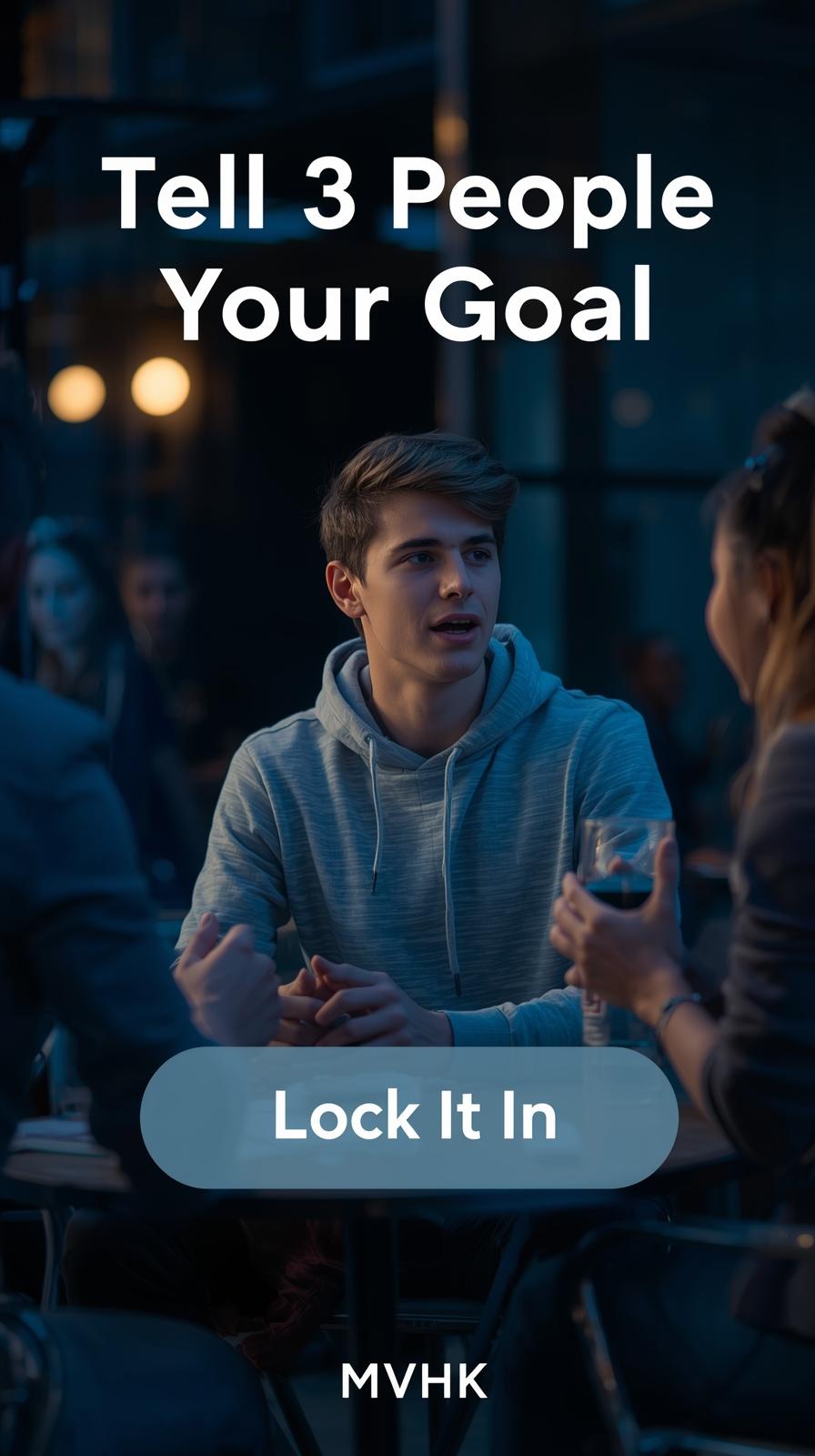
According to behavioral psychologists, public social commitment — telling even 2–3 people your goal — can dramatically increase your odds of following through. It’s not motivation that drives success; it’s social accountability.
In this article, we’ll explore how this simple habit hack works, the science behind it, and exactly how you can apply it today to crush your personal, fitness, or professional goals.
🎯 The Science Behind Public Social Commitment
What Is It?
Public social commitment is the act of stating your intention out loud — to friends, family, or an online community — before completing the goal. The principle is grounded in Consistency Theory from social psychology: humans strive to align actions with stated commitments, especially when others are watching.
Research Speaks:
- A 2022 meta-analysis in Journal of Behavioral Science found that people who publicly committed to a health goal were 65% more likely to follow through than those who kept it private.
- A study from Dominican University showed that written and shared goals had 76% achievement, compared to 43% for unshared goals.
Why It Works:
- Social Pressure: You don’t want to seem unreliable to others.
- Identity Alignment: Publicly committing creates a self-image you now want to live up to.
- Support Activation: Others may encourage or assist your journey.
Expert Viewpoint:
“Social commitment activates the same brain circuits as reward anticipation,” says Dr. Maya Klein, cognitive behavioral psychologist. “It ties your success to emotional and social feedback — making follow-through more likely.”
💪 Implementation Guide
Getting Started with Public Commitment
Here are 3 simple ways to apply this hack today:
- Text Three People
Write: “I’m committing to [goal]. Please ask me about it in a week!” - Post Online
Try: “I’m starting a 30-day habit challenge to meditate daily. Sharing it here for accountability!” - Join a Group
Whether it’s a Facebook group, Slack channel, or in-person meetup — being around people who value follow-through boosts your own consistency.
Progression Strategies
Once you’ve made the first public commitment, build momentum:
- Check-In Weekly: Update those you shared with. It deepens the habit.
- Create a Countdown: Use a calendar app or story feature to share progress.
- Stack Social Layers: Mix private texts, public posts, and community groups.
Common Mistakes to Avoid
- Being Vague: “I want to work out more” isn’t as effective as “I’ll run 3x/week for 30 minutes.”
- Overpromising: Keep your first goal small to build credibility.
- Sharing with Unsupportive People: Choose people who uplift and respect your efforts.
🚀 Advanced Techniques
Personalization Matters
Some people do better with one accountability buddy; others thrive in communities. Assess your personality type (introvert vs. extrovert) and tailor accordingly.
Technology Integration
Apps like Beeminder, StickK, and Coach.me let you set goals and financial or public consequences if you don’t complete them.
Sustainability Tactics
- Tie your goal to a bigger purpose (e.g., “I want to run so I can keep up with my kids”).
- Make it visual — create a commitment board or digital tracker you share.
📊 Results & Success Stories
Case Study: Anna, 34, Working Mom
Anna publicly committed to a daily walk challenge in a Facebook group. Her consistency jumped from 2x/week to 6x/week within 3 weeks. “Just knowing others were watching made me move.”
Data Snapshots:
- 82% of users in a 2024 accountability app study said public posting helped maintain habits beyond 30 days.
- 9 in 10 Gen Z users on TikTok’s #GoalTok said they stayed consistent thanks to social posting.
Community Feedback
From Reddit to Runkeeper, people say the social layer keeps them going even when motivation dips.
🎯 Action Plan: Start Today
Week 1–2: Set + Share
- Pick 1 realistic, time-bound goal
- Share it with 3 people (text, post, or in-person)
- Set up a check-in reminder
Week 3–4: Progress + Feedback
- Report back to your 3 people
- Track your wins (journaling or apps)
- Share micro-successes to fuel motivation
Long-Term: Maintain Social Cycles
- Rotate your accountability partners
- Join monthly challenges or groups
- Turn it into identity: “I’m someone who follows through.”
FAQ Section
How does public commitment improve goal success?
It taps into our psychological need for consistency and social belonging, increasing follow-through.
What if I don’t like posting on social media?
No problem — texting or speaking to just one or two trusted friends works just as well.
How can I make this stick long-term?
Combine public commitment with habit tracking, community, and self-rewards for lasting change.
How long before I see results?
You may notice behavior shifts within a week. Real lifestyle change often locks in around day 21–30.
Is this backed by science?
Yes — multiple studies show public goals increase success rates by 40–65%, depending on the context.