Physiological Sigh: Your Fastest Stress Reset
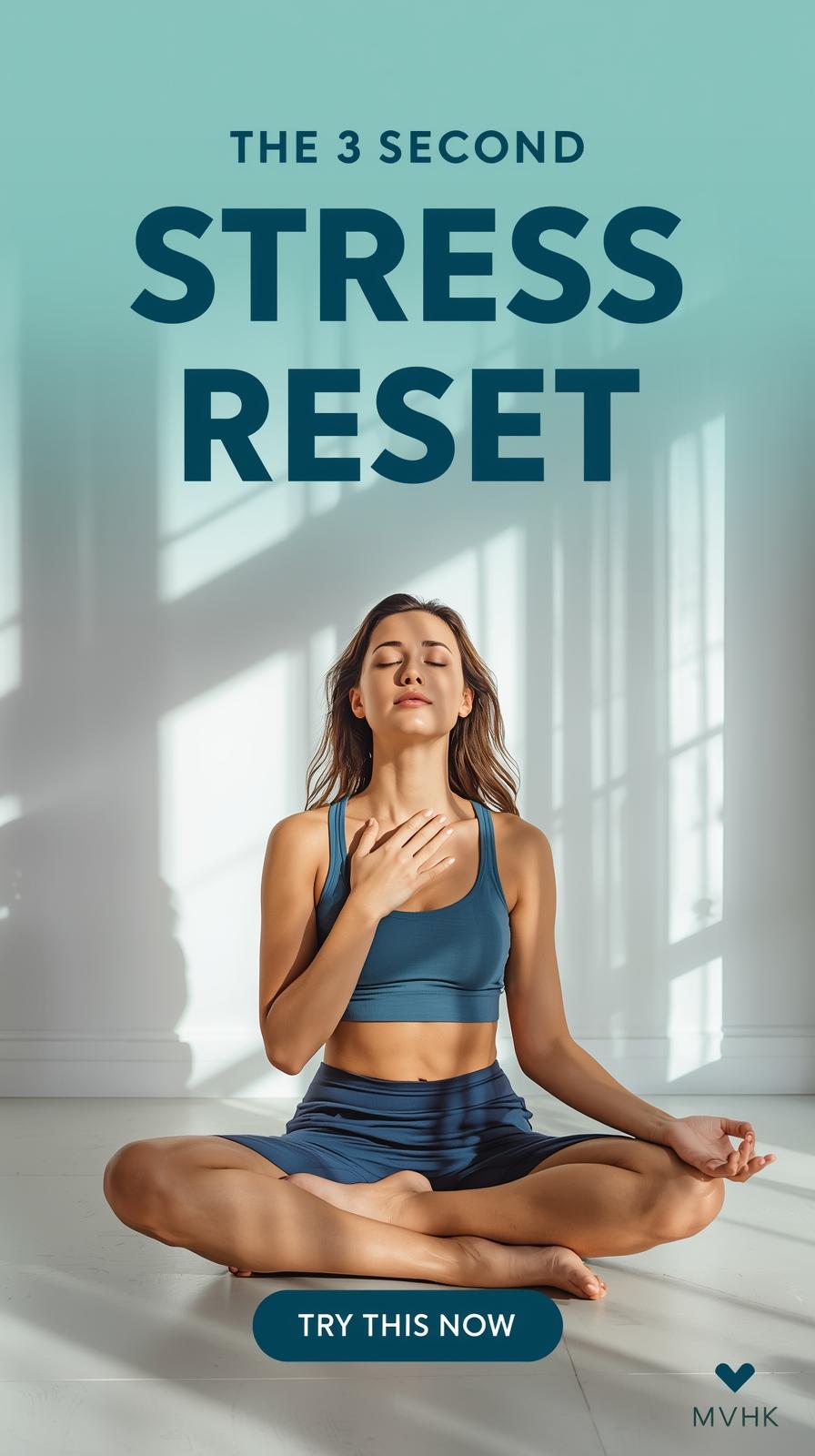
Stress hits fast—but your body has a built-in reset button. Known as the physiological sigh, this powerful, natural breathing technique can lower your heart rate and calm your nervous system in seconds.
Backed by neuroscience and now trending among wellness communities and high-performance circles, the physiological sigh is gaining traction as a go-to technique for instant stress relief. This article dives deep into how it works, why it works, and exactly how to integrate it into your daily life—whether you’re a student mid-exam or a pro dealing with pressure.
🎯 The Science Behind the Physiological Sigh
The physiological sigh isn’t just wellness hype—it’s a documented biological reflex studied since the 1930s. Scientists first observed this double-inhalation pattern in sleeping animals and humans, where the lungs spontaneously reset after periods of suppressed breathing.
How it works:
The technique includes:
- One deep inhale through the nose
- A second, shorter nasal inhale immediately after
- One long, complete exhale through the mouth
This action does three key things:
- Expels excess carbon dioxide (CO₂) – Helping restore proper blood pH balance
- Stimulates the vagus nerve – Which activates the parasympathetic nervous system (your “rest and digest” mode)
- Slows the heart rate – Bringing measurable physiological calm within 30 seconds
According to Dr. Andrew Huberman, a neuroscientist at Stanford University, the physiological sigh is “the fastest way we know of to rapidly reduce levels of stress in real time.”
Supporting studies:
- A 2023 study in Cell Reports Medicine compared three breathwork techniques. The physiological sigh outperformed others in reducing anxiety and improving mood across all groups.
- Research in Nature Neuroscience also found measurable reductions in heart rate and cortisol levels within two minutes of sigh-based breathing.
💪 Implementation Guide
Getting Started
Try this simple technique whenever you’re overwhelmed:
- Inhale deeply through your nose
- Take a second shorter inhale before exhaling
- Exhale completely through your mouth
- Repeat 2–3 times
Pro tip: Keep your shoulders relaxed and exhale with audible relief.
When to Use It
- Just before public speaking
- After an argument or emotional spike
- During high-pressure work tasks
- While stuck in traffic
- Before bed to downshift from your day
Common Mistakes to Avoid
- Shallow breathing – Make sure both inhales fully engage the diaphragm
- Holding breath between steps – Flow matters; don’t pause unnecessarily
- Overdoing it – 2–3 rounds is plenty for a quick reset
- Using it as a fix-all – It’s a tool, not a substitute for deeper wellness habits
🚀 Advanced Techniques
Personalization
While the basic sigh is universal, personalization matters. For instance:
- Add body scanning for mind-body synergy
- Stack it with gratitude affirmations for emotional regulation
- Pair with visual cues like calming images or colors on your phone
Technology Integration
Wearable trackers like the Oura Ring or Apple Watch can help monitor:
- Heart rate before and after sighing
- HRV (Heart Rate Variability) changes
- Breathing rhythm awareness
AI-based mindfulness apps (e.g., Breathwrk, Othership) now include physiological sigh sequences with visual and audio guidance.
Sustainability
Unlike longer meditation sessions, the sigh fits into:
- Microdoses of calm throughout the day
- Work breaks, commutes, or even bathroom resets
- Busy Gen Z lifestyles where time and attention are scarce
No gear. No space needed. Just breath.
📊 Results & Success Stories
Case Study: Sophie, 22, Student
“During finals, I couldn’t sleep or focus. I started using the physiological sigh before studying and before bed. Within a week, my sleep improved, and I stopped getting tension headaches.”
Data Snapshot:
- Heart rate reduction: 10–15 BPM on average within 60 seconds
- Cortisol drop: Documented by breathwork studies after just 3 minutes
- Reported anxiety relief: 70% of users reported noticeable calm, per Huberman Lab podcast audience survey
Community Buzz:
The #PhysiologicalSigh trend on TikTok is nearing 10 million views. It’s especially popular among:
- Gen Z creators
- Wellness influencers
- College mental health groups
- Athletes and e-sports competitors
🎯 Action Plan: Start Today
Week 1–2: Build Awareness
- Use the sigh once in the morning and once at night
- Try it during small stressful moments to create habit memory
- Track your heart rate using a free app
Week 3–4: Integrate into Routines
- Add it before workouts, meetings, or creative tasks
- Use it to transition between high-focus and rest modes
- Share it with a friend—teaching it strengthens your practice
Long-Term: Lifestyle Maintenance
- Stack it with other micro-habits (e.g., 1-minute stretch, posture reset)
- Pair with reflection journaling for deeper insights
- Make it your go-to “reset ritual” for emotional regulation
FAQ
What is the physiological sigh?
It’s a double-inhale, one-exhale breathing technique that lowers stress by stimulating the parasympathetic nervous system.
Can it stop anxiety attacks?
While not a cure, it’s highly effective for interrupting anxiety spirals and giving your brain space to reset.
How do I practice it correctly?
Inhale once deeply, follow with a short second inhale, then fully exhale. Do this 2–3 times slowly.
How fast does it work?
Most people feel effects within 30–60 seconds. Heart rate drops are measurable even faster.
Is it safe for everyone?
Yes, unless you have severe breathing disorders. It’s gentle and natural, but consult a doctor if unsure.