Oats Cholesterol 48-Hour Protocol: Does It Actually Work?
💡 Key Takeaways
- Short-term oat loading can reduce LDL cholesterol measurably
- Beta-glucan fiber alters bile acid recycling and cholesterol metabolism
- Effects can persist beyond the intervention due to hepatic adaptation
- Best results require precise dosing and timing
- Not a substitute for long-term metabolic health strategies
Introduction
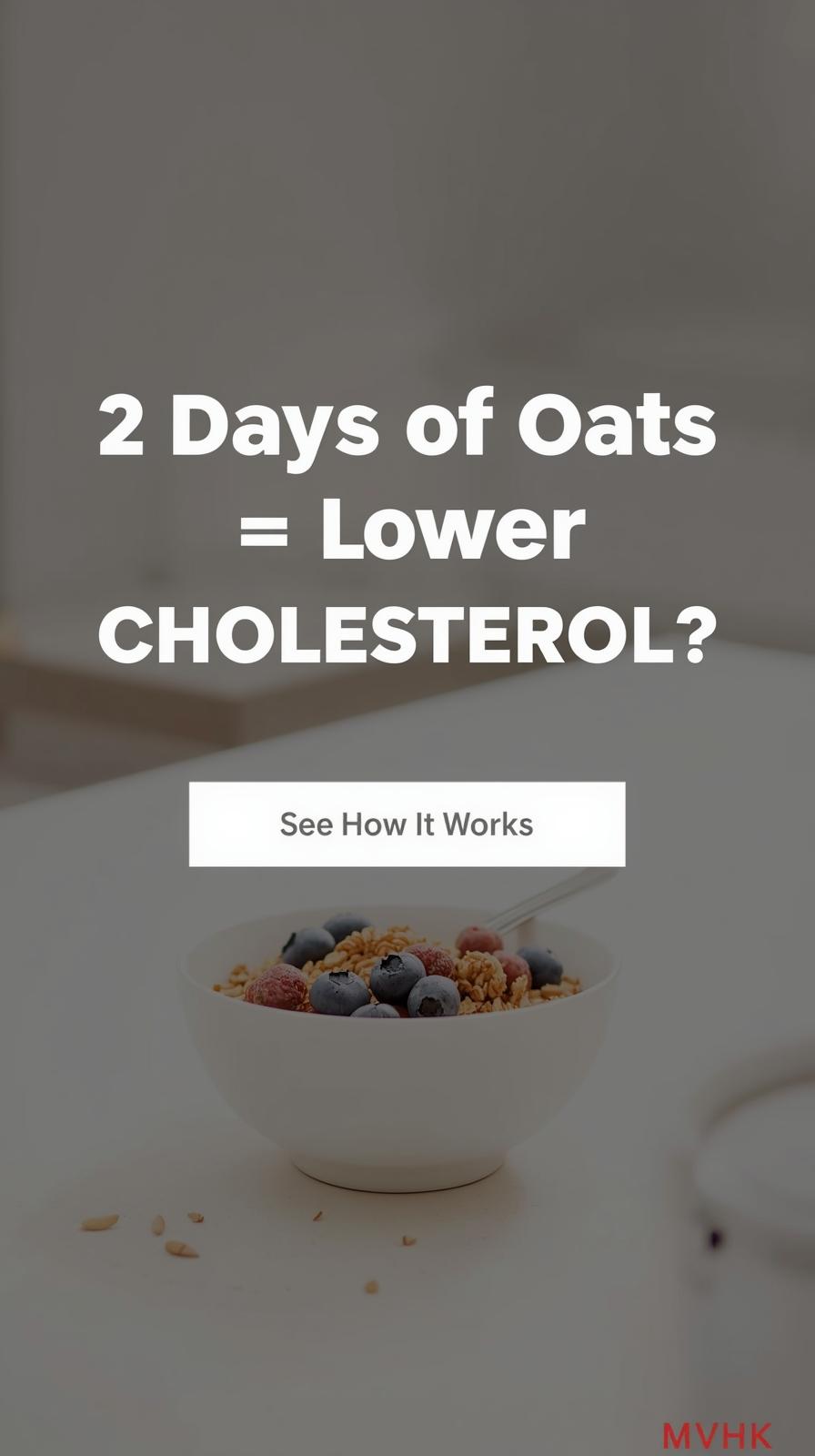
A 48-hour dietary intervention lowering cholesterol sounds like clickbait—but mechanistically, it’s not. The “oat protocol” works because it targets one of the most underappreciated levers in lipid metabolism: soluble fiber-driven bile acid recycling.
The oats cholesterol 48-hour protocol is not about quick fixes—it’s about temporarily overwhelming intestinal cholesterol absorption pathways in a controlled way. When done correctly, it can produce measurable reductions in LDL cholesterol that persist for days or even weeks.
This matters for longevity because elevated LDL is causally linked to atherosclerosis, the primary driver of cardiovascular disease—the leading cause of death globally. Strategic, short-term interventions like this can act as metabolic resets when layered into a broader longevity system.
What Is the Science Behind Oats and Cholesterol Reduction?
Oats lower cholesterol primarily through soluble fiber—specifically beta-glucan—which directly alters lipid metabolism.
Evidence-supported mechanisms:
1. Bile Acid Binding and Excretion
Beta-glucan binds bile acids in the intestine, preventing their reabsorption. This forces the liver to convert more cholesterol into bile acids, reducing circulating LDL.
- Supported by multiple randomized trials (PubMed, American Journal of Clinical Nutrition)
2. Reduced Cholesterol Absorption
The viscous gel formed by beta-glucan slows nutrient absorption and reduces intestinal cholesterol uptake.
- Evidence: Clinical trials show ~5–10% LDL reduction with sufficient intake
3. Gut Microbiome Fermentation
Beta-glucan is fermented into short-chain fatty acids (SCFAs), especially propionate, which inhibits hepatic cholesterol synthesis.
- Supported by research in Nature Reviews Gastroenterology
4. Insulin Sensitivity Improvement
Oats blunt postprandial glucose spikes, improving insulin signaling—which indirectly reduces hepatic lipid production.
- Relevant to metabolic flexibility and longevity
Hypothesis-supported effects:
Temporary Hepatic Reprogramming
A high, concentrated intake over 48 hours may “push” the liver into a transient cholesterol-lowering state due to increased bile demand.
Microbiome Shift Amplification
Short-term fiber overload may rapidly shift gut bacteria toward SCFA-producing strains.
How Do You Apply the Oats Protocol Correctly?
The protocol works only if fiber intake reaches a therapeutic threshold.
Direct answer:
You must consume a high, controlled dose of oats over 48 hours to saturate cholesterol-binding pathways.
Exact protocol:
🥣 60–80g oats per meal
🥣 2–3 meals daily
🥣 Add water or plant milk
🥣 No added sugar
🥣 Optional: flaxseed or cinnamon
🥣 Maintain for 2 consecutive days
Weekly progression framework:
Week 1 (Baseline):
- Track cholesterol markers if possible
- Normalize diet (reduce processed fats and sugars)
Week 2 (Intervention):
- Execute 48-hour oat protocol
- Avoid high-fat foods during this period
Week 3 (Stabilization):
- Transition to balanced high-fiber diet
- Include legumes, vegetables, whole grains
Week 4 (Assessment):
- Recheck lipid markers if available
- Evaluate subjective energy and digestion
Critical implementation notes:
- Dose matters: Below ~3g beta-glucan/day → minimal effect
- Form matters: Steel-cut or rolled oats outperform instant
- Timing matters: Spread intake across meals for sustained effect
- Hydration is essential: Fiber requires water to function properly
Safety considerations:
- Rapid fiber increase may cause bloating
- Not suitable for individuals with certain GI conditions
- Diabetics should monitor glucose response
What Advanced Strategies Improve Results?
To amplify results, stack the oat protocol with other longevity drivers.
1. Combine with Plant Sterols
Enhances cholesterol-blocking effect at the intestinal level
2. Add Time-Restricted Eating
Supports circadian alignment and lipid metabolism
3. Track Biomarkers
- LDL-C
- ApoB (more predictive)
- Fasting insulin
4. Use Wearables
Monitor glucose variability (e.g., CGM) to assess metabolic response
Personalization factors:
- Gut microbiome composition
- Baseline insulin sensitivity
- Genetic lipid metabolism (e.g., APOE variants)
What Results Can You Realistically Expect?
Direct answer:
Expect modest but measurable LDL reductions—not dramatic transformations.
Typical outcomes:
- LDL reduction: 5–15% (short-term)
- Duration: Effects may last several days to weeks
- Stronger effects in individuals with elevated baseline cholesterol
Anti-hype reality:
- This is not a permanent fix
- Effects diminish without sustained dietary change
- Does not replace medication when clinically indicated
Case example:
A moderately elevated LDL (~140 mg/dL) may drop to ~120–130 mg/dL temporarily after protocol execution.
4-Week Practical Action Plan
Week 1:
- Reduce ultra-processed foods
- Increase baseline fiber intake
Week 2:
- Execute oat protocol (48 hours)
- Eliminate added sugars and saturated fats
Week 3:
- Maintain high-fiber diet
- Add legumes + vegetables daily
Week 4:
- Assess biomarkers
- Repeat protocol if needed (no more than 1–2x/month)
Frequently Asked Questions
1. How quickly do oats lower cholesterol?
Within 48 hours, measurable changes in cholesterol metabolism begin, but blood lipid changes typically appear over several days.
2. Are instant oats effective?
Less effective due to lower viscosity and faster digestion, which reduces beta-glucan impact.
3. Can I add sweeteners?
Avoid during the protocol—sugar counteracts metabolic benefits.
4. Is this safe long-term?
The protocol is short-term. Long-term use should shift to a balanced high-fiber diet.
5. Does this replace statins?
No. This is a supportive strategy, not a medical treatment.
References
- PubMed: Beta-glucan and cholesterol metabolism
- American Journal of Clinical Nutrition: Oat fiber trials
- Nature Reviews Gastroenterology: Gut microbiome and SCFAs
- The Lancet: Cardiovascular risk and LDL
- NEJM: Lipid lowering and cardiovascular outcomes