Non-Negotiables After 50: The 8 Habits That Keep You Younger Than Your 30s
💡 Key Takeaways
- Muscle, mindset, and relationships matter more than genetics after 50
- Strength training and protein prevent age-related decline
- Daily movement and hydration support metabolic health
- Emotional self-talk and social connection protect the brain and lifespan
Introduction
Aging isn’t optional—but accelerated aging is.
After 50, your biology becomes brutally honest. Muscle loss accelerates. Insulin sensitivity declines. Inflammation rises. Social isolation and negative self-talk quietly damage the brain as much as poor nutrition.
The good news? Research from Nature Aging, Cell, and PubMed shows that a small set of foundational habits can dramatically slow—or even reverse—biological aging.
These aren’t trends. They’re non-negotiables.
Below are the 8 behaviors that consistently separate people who look, feel, and perform decades younger from those who decline rapidly after 50.
What Are the Core Non-Negotiables After 50?
Direct Answer: They are daily behaviors that preserve muscle, metabolism, brain health, and emotional resilience.
The Exact Non-Negotiables (Preserved Verbatim)
- Lift weights
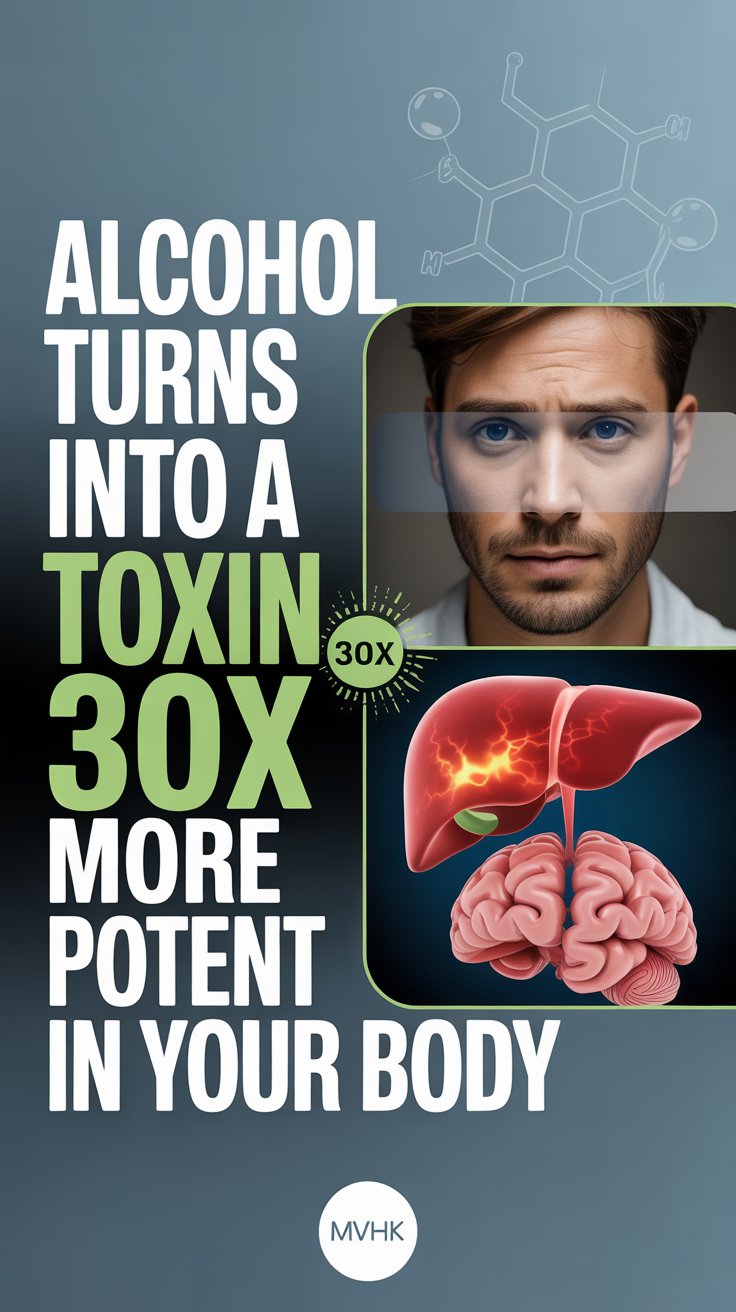
- Limit alcohol
- Stay hydrated
- Move your body daily
- Prioritize protein intake
- Eat a nutrient dense diet
- Talk to yourself like a friend
- Stay connected with friends and family
Each one targets a different aging pathway, and skipping even one creates downstream problems.
How Does Lifting Weights Change Aging After 50?
Direct Answer: Resistance training is the most powerful anti-aging intervention for muscle, bone, and metabolism.
Studies show strength training:
- Prevents sarcopenia
- Improves insulin sensitivity
- Lowers all-cause mortality
- Protects cognitive function
Just 2–4 sessions per week can reverse decades of muscle loss.
Why Is Protein Intake Non-Negotiable After 50?
Direct Answer: Aging muscles require more protein to stimulate growth.
Research suggests adults over 50 need:
- 1.6–2.2 g/kg/day
- High-quality sources (eggs, fish, lean meat, dairy)
Protein supports muscle, immune function, and satiety—critical for long-term vitality.
How Do Alcohol, Hydration, and Diet Affect Longevity?
Direct Answer: They directly regulate inflammation and cellular repair.
- Limit alcohol → lowers cancer and dementia risk
- Stay hydrated → improves circulation and cognition
- Eat a nutrient dense diet → fuels mitochondria and reduces oxidative stress
These habits compound daily.
Why Do Mindset and Social Connection Matter Biologically?
Direct Answer: The brain ages faster in isolation and self-criticism.
- Talk to yourself like a friend reduces cortisol and improves resilience
- Stay connected with friends and family lowers mortality risk as much as exercise
Social health is biological health.
Action Plan: Your 4-Week Reset After 50
Week 1: Hydration, movement, reduce alcohol
Week 2: Add protein targets + nutrient density
Week 3: Begin resistance training
Week 4: Strengthen mindset and social rituals
Consistency beats perfection.
Frequently Asked Questions
Is it too late to start after 50?
No. Studies show benefits even when starting in your 70s.
How often should I lift weights?
2–4 times per week is ideal.
Do I need supplements?
Not if protein and nutrients are adequate.
Can these habits really make me younger than people in their 30s?
Biologically—yes. Many biomarkers improve dramatically.
What matters most?
Strength training, protein, and consistency.