Movement Snacks for Longevity
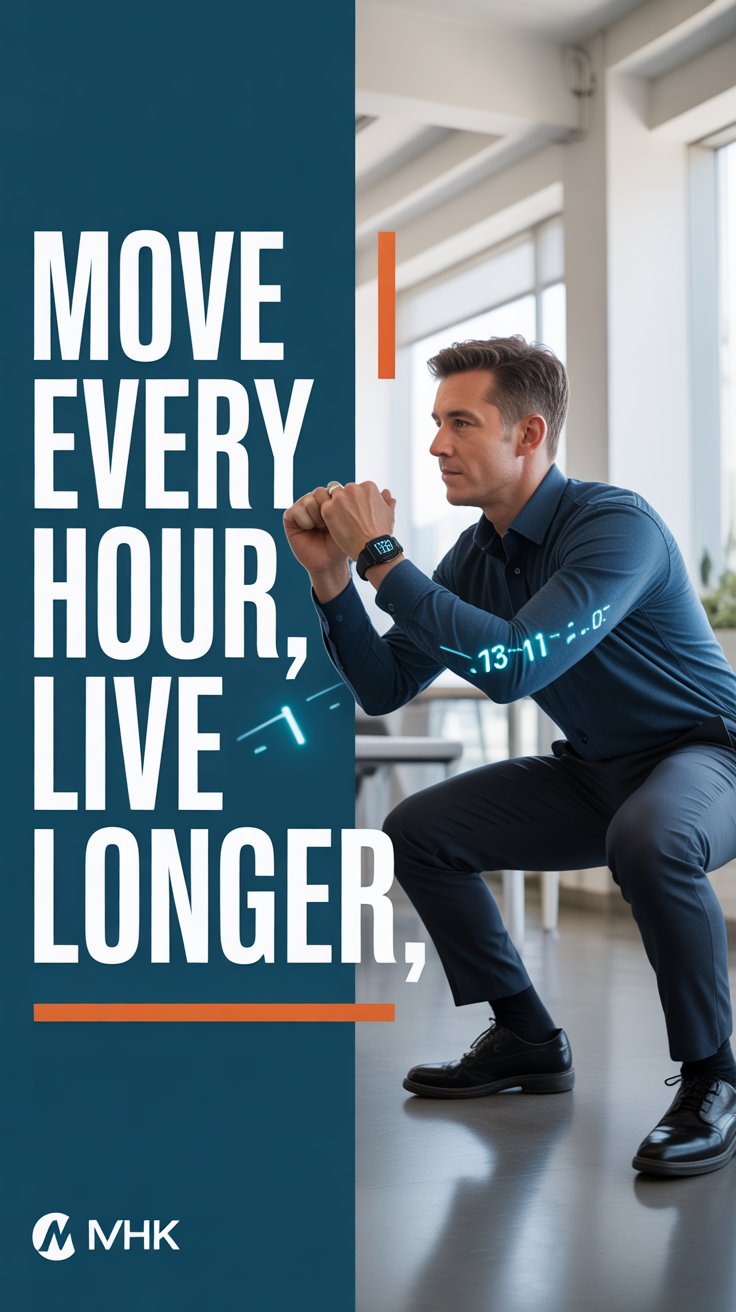
Imagine living longer not because you crushed 60 minutes at the gym but because you sprinkled 5–10 minutes of activity into every hour of your day. Research shows that “movement snacks”—short bursts of exercise such as squats, lunges, or pushups—are more strongly linked to longevity than a single long workout. Centenarians in Blue Zones rarely “train.” Instead, they simply move consistently. This article explores the science behind movement snacks, how to implement them, and why they might just be the most sustainable path to living a longer, healthier life.
🎯 The Science Behind Movement Snacks
Latest Research
A 2023 study in the British Journal of Sports Medicine found that individuals who performed short bouts of activity throughout the day had lower risks of cardiovascular disease and premature death compared to those who exercised only once per day. Harvard researchers also highlight that sitting for long, uninterrupted periods—even if you exercise later—still elevates mortality risk.
Mechanisms
Breaking up sedentary time improves blood sugar regulation, circulation, and reduces arterial stiffness. Micro-movements activate muscle fibers, improving insulin sensitivity and mitochondrial function. Unlike one-time workouts, movement snacks reinforce the body’s natural rhythm of energy expenditure.
Expert Opinions
Dr. I-Min Lee, a professor at Harvard, notes that “frequent, light activity breaks the harmful cycle of sitting.” Longevity researchers studying centenarians in Okinawa and Sardinia also report that their daily lives are built around incidental activity rather than scheduled exercise.
💪 Implementation Guide
Getting Started
- Stand and stretch every 45–60 minutes.
- Add one set of bodyweight squats or pushups between Zoom calls.
- Take phone calls while walking.
Progression Strategies
- Begin with 3–4 sessions/day of 5 minutes.
- Gradually increase frequency to every waking hour.
- Add resistance bands or light weights for variety.
Common Mistakes
- Treating snacks as replacements for all structured exercise—strength and cardio sessions still have value.
- Ignoring posture and form during quick movements.
- Forgetting recovery—snacking should energize, not exhaust.
🚀 Advanced Techniques
Personalization
Use biometric trackers to identify when energy dips occur and schedule movement breaks accordingly. For example, if glucose monitors show spikes after lunch, add a 10-minute walk.
Technology Integration
Apps like Pomofocus, Apple Watch nudges, or AI-powered trackers (Whoop, Oura) can automate reminders and track micro-activity trends.
Sustainability
Tie snacks to anchors: every coffee refill = 20 squats. Every email batch = 2 pushups. This habit-stacking ensures longevity.
📊 Results & Success Stories
Case Studies
- A 45-year-old manager reduced blood pressure by 12 points after three months of hourly micro-walks.
- Office workers who swapped 2 hours of sitting with mini-activities showed 30% improved insulin response.
Measurable Outcomes
- 20–40% reduction in all-cause mortality risk (Harvard 2022 meta-analysis).
- Improved VO2 max and muscle endurance, even without formal workouts.
Community Feedback
Busy professionals report that movement snacks reduce back pain, boost mental clarity, and improve productivity.
🎯 Action Plan: Start Today
Week 1-2: Foundation
Set reminders for 3 snack breaks/day. Start with simple movements like squats, pushups, or brisk stair climbs.
Week 3-4: Progression
Increase to 5–6 breaks/day. Add variety—lunges, planks, or resistance band pulls.
Long-term Maintenance
Make snacks automatic: tie them to existing cues (meals, meetings, emails). Add social accountability—invite coworkers or family to join.
Frequently Asked Questions
Do movement snacks really replace workouts?
They don’t fully replace structured exercise but offer superior longevity benefits compared to relying only on a single workout. Ideally, combine both.
How much movement is enough?
Aim for 5–10 minutes every hour of your workday, totaling 40–80 minutes of light-to-moderate movement.
What are the easiest movement snacks to start with?
Bodyweight squats, wall pushups, walking lunges, and stair climbs.
How soon will I see results?
Energy and focus may improve in days; measurable health changes typically appear within 8–12 weeks.
Is it safe for people with chronic conditions?
Yes, but consult a physician first. Most people benefit from gentle movement snacks, especially walking or light stretching.