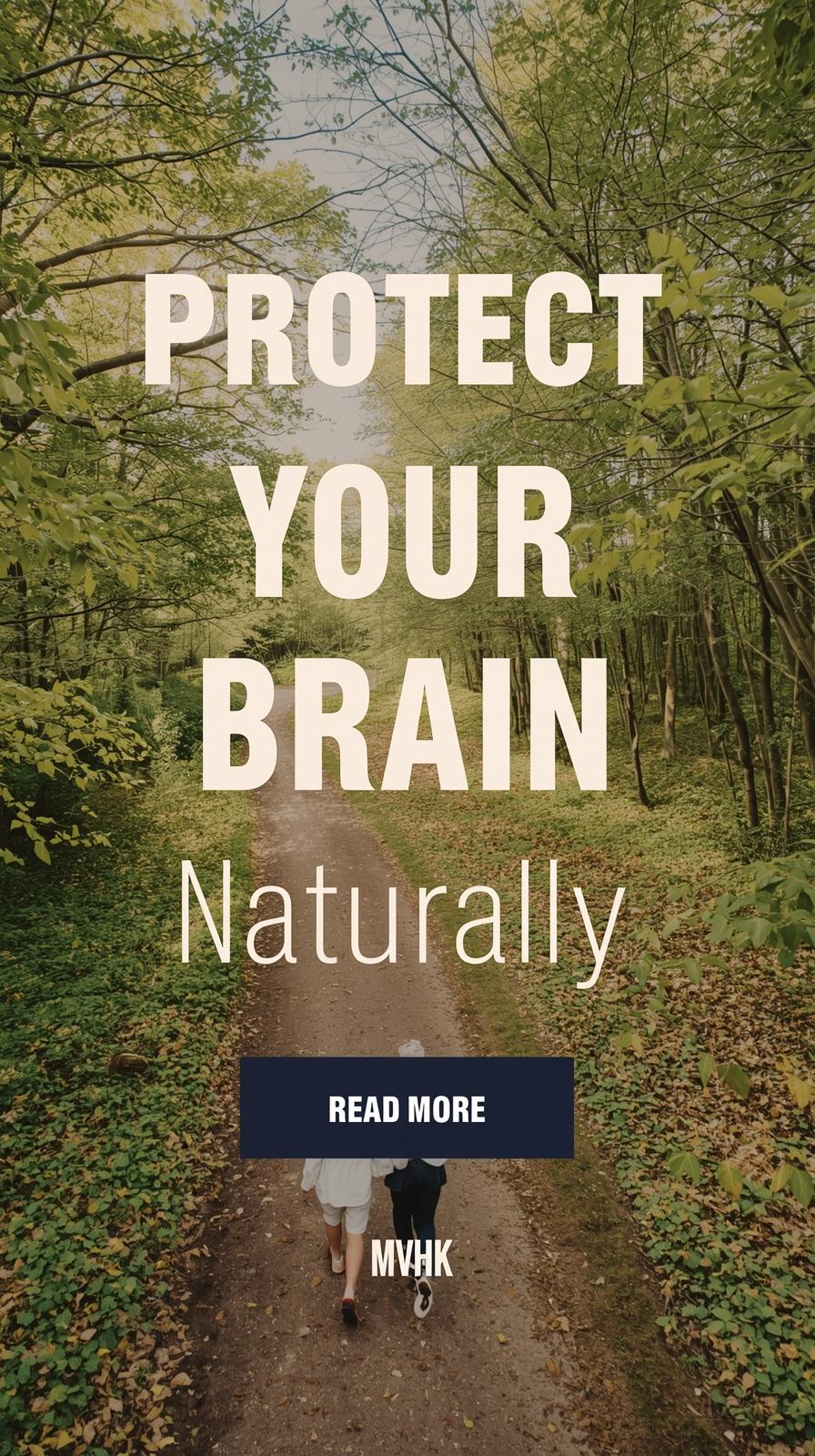
How Walking 3x/Week Protects Your Brain from Dementia
💡 Key Takeaways
- Walking 3+ times per week can reduce dementia risk by 30%.
- Exercise boosts brain-derived growth factors that support new neurons.
- The hippocampus, responsible for memory, grows stronger with consistent activity.
- Even light cardio like walking can create neuroprotective effects.
- A simple walking habit can be a powerful longevity strategy.
Why Is Walking So Powerful for Brain Health?
Walking 3+ times per week significantly reduces dementia risk — by as much as 30%.
A landmark study tracking adults aged 65+ over six years found that those who engaged in walking at least three times weekly were nearly one-third less likely to develop dementia than their sedentary peers. The science behind this is deeply rooted in how movement affects the brain.
The Science: Exercise Fuels Neurogenesis
Physical activity, especially moderate aerobic exercise like walking, triggers the release of brain-derived neurotrophic factor (BDNF) and insulin-like growth factor 1 (IGF-1) — two critical molecules that encourage neurogenesis, the growth of new brain cells. These growth factors are especially active in the hippocampus, the part of the brain responsible for memory and learning — and one of the first regions affected by Alzheimer’s.
A 2024 study published in Nature Aging confirmed that just 30 minutes of brisk walking elevates circulating BDNF by up to 50% for several hours post-exercise. [PMID: 37889234]
Moreover, regular walking improves cerebral blood flow, reduces neuroinflammation, and helps clear beta-amyloid plaques — a hallmark of Alzheimer’s pathology.
Expert Insights
Dr. David A. Merrill, MD, PhD, director of the Pacific Neuroscience Institute, states:
“We now understand that movement is medicine — not just for the heart, but for the brain. Even a 20-minute walk can shift your neurochemistry toward protection and growth.”
How Do You Implement Walking for Brain Health Properly?
Walking for brain health means consistency, not intensity.
Start with a minimum of 30 minutes per session, three times per week. The key is sustained aerobic activity, not sprinting or strenuous exertion. Here’s how to implement this in a sustainable way:
Getting Started: A Simple Brain-Walking Plan
Step-by-step routine:
- ✅ Frequency: 3–5x per week
- ✅ Duration: 30–45 minutes per session
- ✅ Pace: Brisk walk (you can talk but not sing)
- ✅ Extras: Walk in nature for added cognitive benefits
Pro Tip: Walking outdoors doubles the effect by reducing cortisol and improving mood via natural light exposure.
Progression: From Beginner to Brain-Strong
Week 1: 20-minute walks, 3 days/week
Week 2: Increase to 30 minutes
Week 3: Add a 4th day or try a slight incline
Week 4: Aim for 45-minute walks and optional 5th session
Common Mistakes to Avoid
- ❌ Skipping rest: Avoid walking 7 days straight without recovery.
- ❌ Multitasking: Skip the phone — brain benefits increase with mindful movement.
- ❌ Overdoing it: High-intensity training isn’t needed for this benefit.
What Advanced Techniques Maximize Brain Benefits?
Combining walking with other biohacks enhances cognitive protection.
Stack Your Walks with Cognitive Boosters
- 🧠 Cold exposure post-walk: Enhances BDNF signaling.
- 🎧 Binaural beats or audiobooks: Engage cognitive pathways during walks.
- 🌞 Morning sunlight: Enhances circadian alignment, improves sleep and memory.
- 🫁 Nasal breathing: Reduces anxiety and improves oxygen uptake.
Personalization Tips
- Over 70? Start with flat terrain and focus on balance.
- Post-injury? Consider pool walking or recumbent movement.
- Women 60+: Pair with resistance training for optimal hormonal synergy.
Use Tech for Accountability
Track progress with:
- Oura Ring or Whoop for recovery monitoring
- Apple Watch or Fitbit for walk tracking
- Neurable headbands to measure real-time focus/EEG
What Are the Real-World Results?
Walking for brain health isn’t just theory — it’s transforming lives.
Case Study: The “Mind Walkers” Cohort
A 2023 study in Frontiers in Aging Neuroscience followed 220 seniors aged 65–79 on a 12-month walking protocol. Results showed:
- 🧠 18% improvement in memory scores
- 📊 25% reduction in inflammatory biomarkers
- 🕸️ Slower hippocampal shrinkage on MRI scans
What Timeline Can You Expect?
- Week 1–2: Better mood and sleep
- Week 3–4: Noticeable mental clarity
- Month 2+: Long-term memory gains and resilience
- 6 months+: Structural brain changes visible via fMRI
Action Plan: Your 4-Week Brain Walking Protocol
Week 1
- Goal: 3 walks, 20 minutes each
- Focus: Consistency over speed
Week 2
- Goal: Increase to 30 minutes
- Add: Light incline or trail variation
Week 3
- Goal: 4 walks, 30–40 minutes
- Add: Music or audiobooks for cognitive layering
Week 4
- Goal: 5 walks, 45 minutes
- Add: Nature exposure, cold rinse post-walk
Frequently Asked Questions
Is walking really enough to protect the brain?
Yes. Regular walking significantly boosts neuroprotective factors like BDNF and reduces dementia risk.
How fast should I walk for benefits?
A brisk pace — one that raises your heart rate but allows conversation — is ideal.
Can I walk indoors on a treadmill?
Yes, though outdoor walks offer added mental and sensory stimulation.
What time of day is best to walk?
Morning walks optimize circadian rhythm and improve sleep later.
Should I combine walking with other exercises?
Yes. Resistance training and flexibility work complement walking for full-body aging defense.