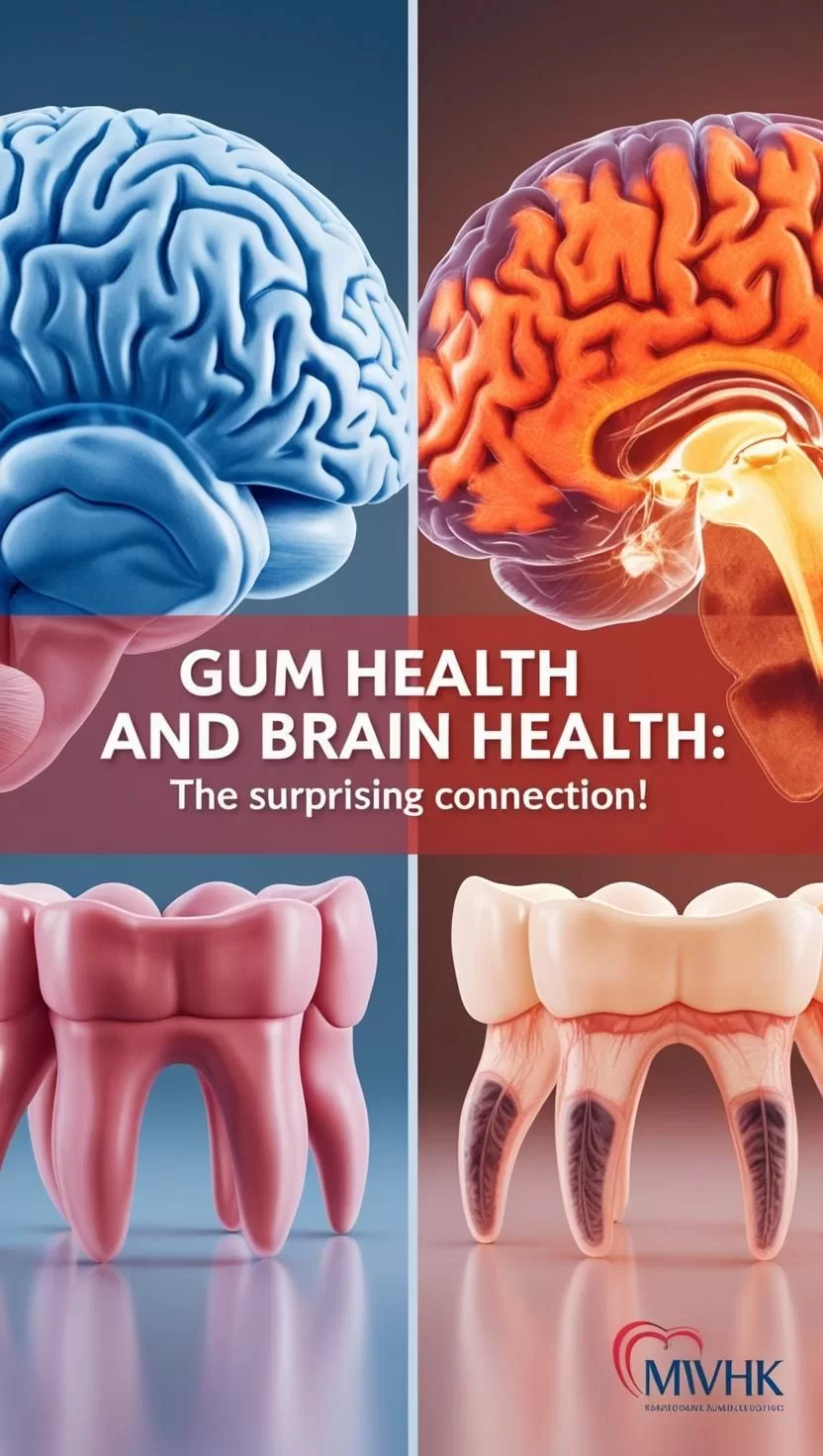
How Gum Disease Can Secretly Damage Your Brain: The Startling Link to Alzheimer’s
Periodontal disease isn’t just about bad breath and bleeding gums—it may be a hidden threat to your brain health. Recent studies reveal a shocking connection between gum disease and brain inflammation, which can contribute to the development of Alzheimer’s disease.
1️⃣ Understanding the Gum-Brain Connection
The Role of P. gingivalis
The bacterium Porphyromonas gingivalis thrives in the mouths of people with gum disease. Researchers found that this bacterium doesn’t stay confined to the mouth—it can travel through the bloodstream and into the brain, triggering inflammatory responses.
Brain Inflammation and Cognitive Decline
Chronic inflammation from P. gingivalis can damage neurons and interfere with memory functions. In studies, high levels of periodontal pathogens correlated with worse cognitive performance and higher dementia risk.
2️⃣ How Gum Disease Accelerates Brain Aging
Neurodegenerative Changes
Evidence suggests that gum disease can accelerate neurodegenerative processes. The inflammatory markers produced by oral infections can cross the blood-brain barrier, promoting amyloid plaque buildup—a hallmark of Alzheimer’s.
Scientific Studies at a Glance
- A study published in Science Advances confirmed the presence of P. gingivalis DNA in the brains of Alzheimer’s patients.
- In animal models, oral infection with P. gingivalis led to brain colonization and increased amyloid beta production (source).
| Study | Key Finding |
|---|---|
| Dominy et al., 2019 | Found gingipains (toxins from P. gingivalis) in Alzheimer’s brain tissue |
| Kamer et al., 2020 | Chronic periodontitis linked to higher risk of dementia onset |
3️⃣ Protecting Your Brain by Protecting Your Gums
Daily Oral Hygiene Habits
- Brush twice a day using fluoride toothpaste
- Floss daily to remove plaque between teeth
- Use an antibacterial mouthwash recommended by a dentist
Professional Dental Care
- Visit your dentist at least twice a year for cleanings and check-ups.
- Early treatment of gingivitis can prevent progression to periodontitis.
Conclusion: How to Get Started Today
Gum disease is more than an oral health issue—it’s a whole-body health risk. By maintaining good oral hygiene and addressing periodontal problems early, you’re not just saving your smile—you’re protecting your brain.
FAQ Section
FAQ
1. Can treating gum disease reduce the risk of Alzheimer’s?
Yes, studies suggest that reducing oral inflammation can lower systemic inflammation, which may, in turn, decrease Alzheimer’s risk.
2. How often should I see a dentist to protect brain health?
At least twice a year is recommended, but individuals with gum disease history may need more frequent visits.
3. Are there warning signs of gum disease I should watch for?
Yes—bleeding gums, persistent bad breath, gum recession, and loose teeth are common early signs.