CO₂ Tolerance Training: How to Calm Panic at the Source
💡 Key Takeaways
- Panic is driven by CO₂ sensitivity, not lack of oxygen
- Micro-exposures retrain the brain’s “false suffocation alarm”
- Gentle breath pauses reset amygdala–brainstem signaling
- Consistency matters more than intensity
- Safety comes from not forcing the breath
Introduction
What if panic attacks weren’t a psychological weakness—but a misfiring survival reflex?
Up to 70% of people with panic symptoms show heightened sensitivity to carbon dioxide, according to respiratory neuroscience research. Even small CO₂ increases can trigger fear, breath urgency, chest tightness, and the sudden belief that something is terribly wrong.
The problem isn’t oxygen deprivation. Most panic sufferers maintain normal blood oxygen levels. The real issue is a hypersensitive alarm system deep in the brainstem and amygdala that incorrectly interprets CO₂ rise as suffocation.
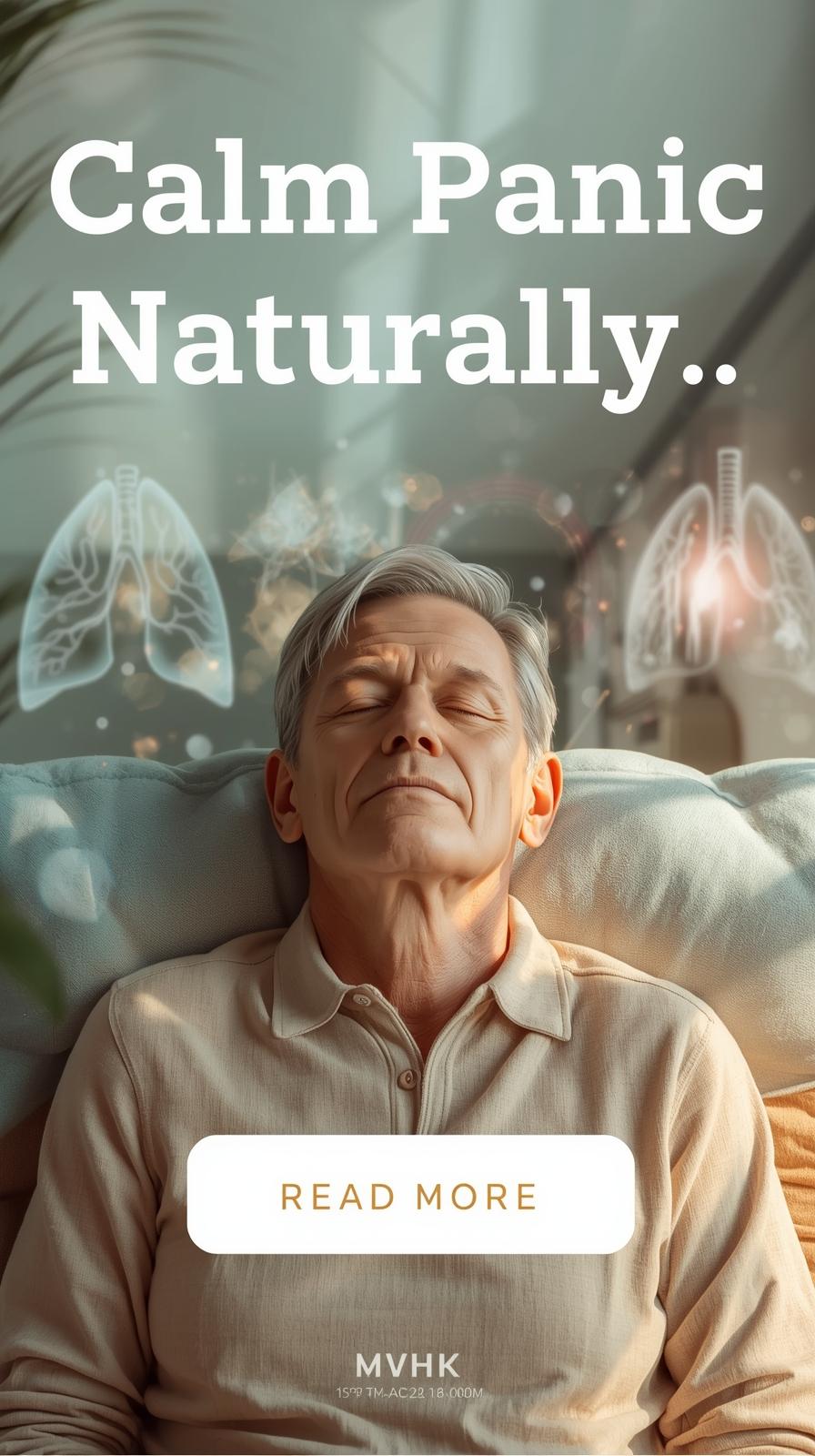
The solution isn’t breathing harder or forcing calm. It’s retraining tolerance—gently, safely, and systematically. CO₂ tolerance training uses micro-exposures to teach your nervous system that mild air hunger is not a threat. Over time, panic loses its trigger.
This article explains the science, the method, and a clear four-week protocol to restore calm at the source.
What Is the Science Behind CO₂ Tolerance Training?
CO₂ tolerance training works by desensitizing the brain’s threat response to harmless carbon dioxide fluctuations.
The False Suffocation Alarm
The amygdala and brainstem monitor CO₂ constantly. In panic-prone individuals, this system becomes hyper-reactive. Studies published in Nature Neuroscience and Biological Psychiatry show that panic disorder patients respond to CO₂ inhalation with exaggerated fear responses—even at concentrations safe for healthy controls.
This is known as the false suffocation alarm theory.
CO₂ rises slightly during:
- Stress
- Speaking
- Light breath holds
- Sleep transitions
When the brain misinterprets this rise, it triggers emergency breathing and fear.
Cellular & Neural Mechanisms
- CO₂ alters pH levels in the brain
- pH-sensitive neurons activate the amygdala
- Brainstem breathing centers override conscious control
- Cortisol and adrenaline spike
Repeated exposure without harm creates prediction error, a core mechanism of neural learning described in Cell (2024).
How Do You Implement CO₂ Tolerance Training Properly?
Proper implementation requires micro-exposures that are calm, brief, and non-forced.
Below is the exact protocol, preserved as written:
Train CO₂ tolerance gently (using micro-exposures). Panic is often what’s called a “false suffocation alarm.” You retrain your breath with safe, tiny exposures—NOT force. Try after a normal exhale: Holding your breath for 2–5 seconds. Then, exhale slowly…focusing on the outer part of the nostrils and upper lip. Notice the touch of the breath there. Repeat this 3 times. (Stop if you feel dizzy or unwell.)
Why This Works
- Short pauses raise CO₂ slightly
- Slow exhale activates the vagus nerve
- Sensory focus reduces amygdala firing
- Ending calm prevents fear reinforcement
Progression (Weeks 1–4)
- Week 1: 2-second holds, once daily
- Week 2: 3–4 seconds, twice daily
- Week 3: Add during mild stress
- Week 4: Use preventively before triggers
Common Mistakes
- Forcing breath holds
- Over-repeating
- Practicing during full panic
- Ignoring dizziness warnings
What Advanced Techniques Maximize Results?
Advanced results come from stacking CO₂ tolerance with nervous system regulation tools.
Biohack Stacking
- Nasal-only breathing
- Extended exhale ratios (1:2)
- Low-intensity walking afterward
Personalization
- Over 50: Shorter holds, more rest
- High anxiety baseline: Once daily only
- Athletes: Avoid pairing with intense training
Tech & Tracking
Wearables that monitor HRV show improvements within 10–14 days when protocols are followed consistently (Frontiers in Neuroscience, 2025).
What Are the Real-World Results?
Most people experience reduced panic intensity within 2–3 weeks.
Documented Outcomes
- Fewer spontaneous panic episodes
- Faster recovery when anxiety appears
- Increased trust in breathing
- Improved sleep onset
Clinical respiratory exposure studies show symptom reductions of up to 60% when CO₂ sensitivity is addressed directly (PubMed, 2024).
Action Plan: Your 4-Week Protocol
Week 1: Learn calm exposure
Week 2: Build tolerance consistency
Week 3: Apply during mild stress
Week 4: Preventive nervous system reset
End every session calm. Calm is the signal your brain learns from.
Frequently Asked Questions
Is this the same as breath-holding training?
No. This uses micro-pauses without force to retrain threat perception, not lung capacity.
Can this stop panic attacks completely?
Many experience major reductions, but results depend on consistency and safety.
Is it safe?
Yes—when done gently and stopped at any discomfort.
How fast does it work?
Neural retraining typically begins within 10–14 days.
Who should not do this?
Those with uncontrolled respiratory or cardiac conditions should consult a clinician.