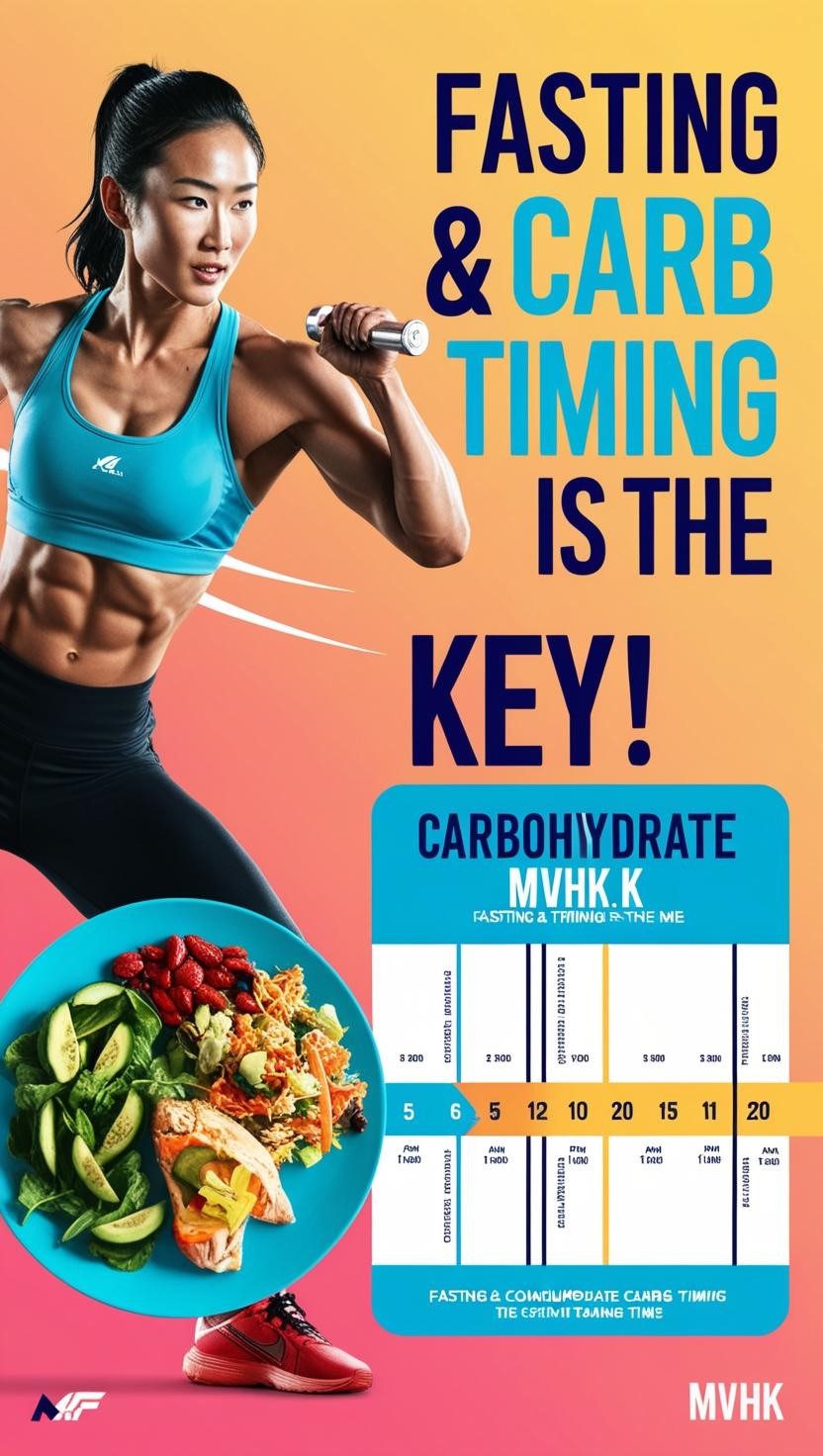
How to Start Intermittent Fasting Like a Pro!
What is Intermittent Fasting?
Intermittent fasting (IF) is a structured eating pattern that cycles between periods of fasting and eating. Unlike traditional diets that focus on what to eat, IF emphasizes when to eat, making it a sustainable and effective approach for weight loss, metabolism enhancement, and overall health improvement.
Scientific studies suggest that intermittent fasting can help regulate insulin levels, boost cellular repair, and support brain health (Harvard Health), making it one of the most researched and practiced dietary strategies today.
1️⃣ Popular Intermittent Fasting Methods
Choosing the right intermittent fasting method depends on your lifestyle, experience level, and goals. Below are the most popular fasting approaches:
🔹 16/8 Method – The Most Common & Researched
- How it works: Fast for 16 hours and eat within an 8-hour window.
- Example eating window: 12 PM – 8 PM (skip breakfast, eat lunch & dinner).
- Best for: Beginners and experienced fasters alike.
- Health benefits: Improves insulin sensitivity, enhances fat burning, and supports muscle retention (PubMed).
🔹 14/10 Method – A Beginner-Friendly Option
- How it works: Fast for 14 hours, eat within a 10-hour window.
- Example eating window: 8 AM – 6 PM (early eaters can still enjoy breakfast).
- Best for: Beginners transitioning into fasting.
- Health benefits: Easier to adapt to while still promoting fat loss and metabolic health.
🔹 5:2 Diet – Intermittent Caloric Restriction
- How it works: Eat normally for five days, then limit intake to 500–600 calories on two non-consecutive days.
- Example fasting days: Monday & Thursday with restricted calorie intake.
- Best for: Those who want flexibility and don’t like daily fasting.
- Health benefits: Supports weight loss and metabolic flexibility without daily commitment (National Institutes of Health).
🔹 OMAD (One Meal a Day) – The Extreme Approach
- How it works: Eat one large meal per day, fasting for the remaining 23 hours.
- Best for: Advanced fasters looking for accelerated fat loss and metabolic efficiency.
- Health benefits: Encourages autophagy (cellular repair), boosts mental clarity, and aids in fat adaptation.
2️⃣ How to Choose the Right Fasting Schedule
The best intermittent fasting schedule is the one that fits your lifestyle and daily routine. Here’s how you can customize your fasting window:
- ☀️ Love breakfast? Try an 8 AM – 4 PM eating window (perfect for early risers).
- 🌙 Prefer dinner? Stick to a 12 PM – 8 PM schedule for social flexibility.
- 💼 Busy professionals: A 1 PM – 9 PM window works well for late lunches and social dinners.
- 🏋️♂️ Fitness enthusiasts: Align fasting with workouts, eating post-exercise for muscle recovery.
3️⃣ The Benefits of Intermittent Fasting
Intermittent fasting offers more than just weight loss. Here are some science-backed benefits:
✅ Weight Loss & Fat Burning – IF naturally reduces calorie intake and increases fat oxidation.
✅ Improved Insulin Sensitivity – Helps regulate blood sugar levels and lowers diabetes risk.
✅ Cellular Repair & Longevity – Fasting triggers autophagy, a process where the body removes damaged cells.
✅ Brain Health & Focus – Increases BDNF (brain-derived neurotrophic factor), linked to cognitive function.
✅ Heart Health – Reduces inflammation, lowers cholesterol, and supports cardiovascular function.
4️⃣ Common Mistakes & How to Avoid Them
🚫 Overeating During Eating Windows – Stick to whole, nutrient-dense foods rather than bingeing.
🚫 Ignoring Hydration – Drink plenty of water, herbal teas, or black coffee to stay hydrated.
🚫 Skipping Nutrient Balance – Include enough protein, fiber, and healthy fats for energy and satiety.
🚫 Not Easing Into Fasting – Beginners should start with a 12-hour fast before progressing to longer fasts.
Conclusion: Start Your Intermittent Fasting Journey Today
Intermittent fasting is a flexible and effective way to enhance your health, burn fat, and boost energy. Whether you choose the 16/8 method, 5:2 diet, or OMAD, the key is to find a schedule that works for you and stick with it.
Want more health and fasting tips? Check out our Ultimate Guide to Fasting Benefits.
Frequently Asked Questions (FAQ)
H3: Can I drink coffee while intermittent fasting?
Yes! Black coffee, herbal teas, and water are allowed during fasting periods. Just avoid adding sugar or milk, as they may break your fast.
H3: How long does it take to see results with intermittent fasting?
Most people notice changes within 2–4 weeks, including weight loss, improved digestion, and higher energy levels. However, results vary based on consistency and diet quality.
H3: Is intermittent fasting safe for everyone?
While IF is safe for most people, those with medical conditions, pregnant women, and individuals with a history of eating disorders should consult a healthcare provider before starting.