Epigenetic Aging: How Your Behavior Controls How Fast You Age
💡 Key Takeaways
- Aging is largely driven by epigenetic information loss, not fixed genetics
- Roughly 80% of aging outcomes are epigenetic, meaning modifiable
- Daily behaviors directly influence how your genes are expressed
- You can slow—or partially reverse—biological aging at the cellular level
Introduction
What if aging wasn’t inevitable decay—but a reversible software problem? Modern longevity research is overturning the outdated idea that aging is caused purely by random damage accumulating over time. Instead, scientists now understand aging as a progressive loss of cellular instructions—the epigenetic signals that tell your cells how to function.
Here’s the game-changer: those instructions are modifiable. Studies in animals and humans suggest that up to 80% of aging outcomes are epigenetic rather than genetic, meaning your daily behaviors—sleep, movement, nutrition, stress, and light exposure—actively determine how fast you age.
This explains why people with the same genes can age dramatically differently. One thrives at 70, another struggles at 50. The difference isn’t DNA—it’s how that DNA is used. Epigenetic aging science now offers practical strategies to slow biological aging, preserve cellular identity, and extend healthspan rather than just lifespan.
What Is the Science Behind Epigenetic Aging?
Direct answer: Epigenetic aging occurs when cells lose access to the instructions that tell them how to function properly, even though the DNA itself remains intact.
4
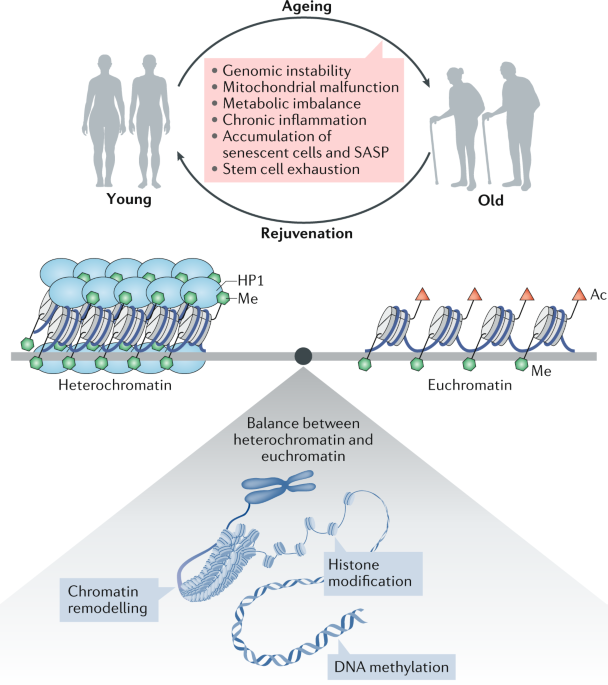
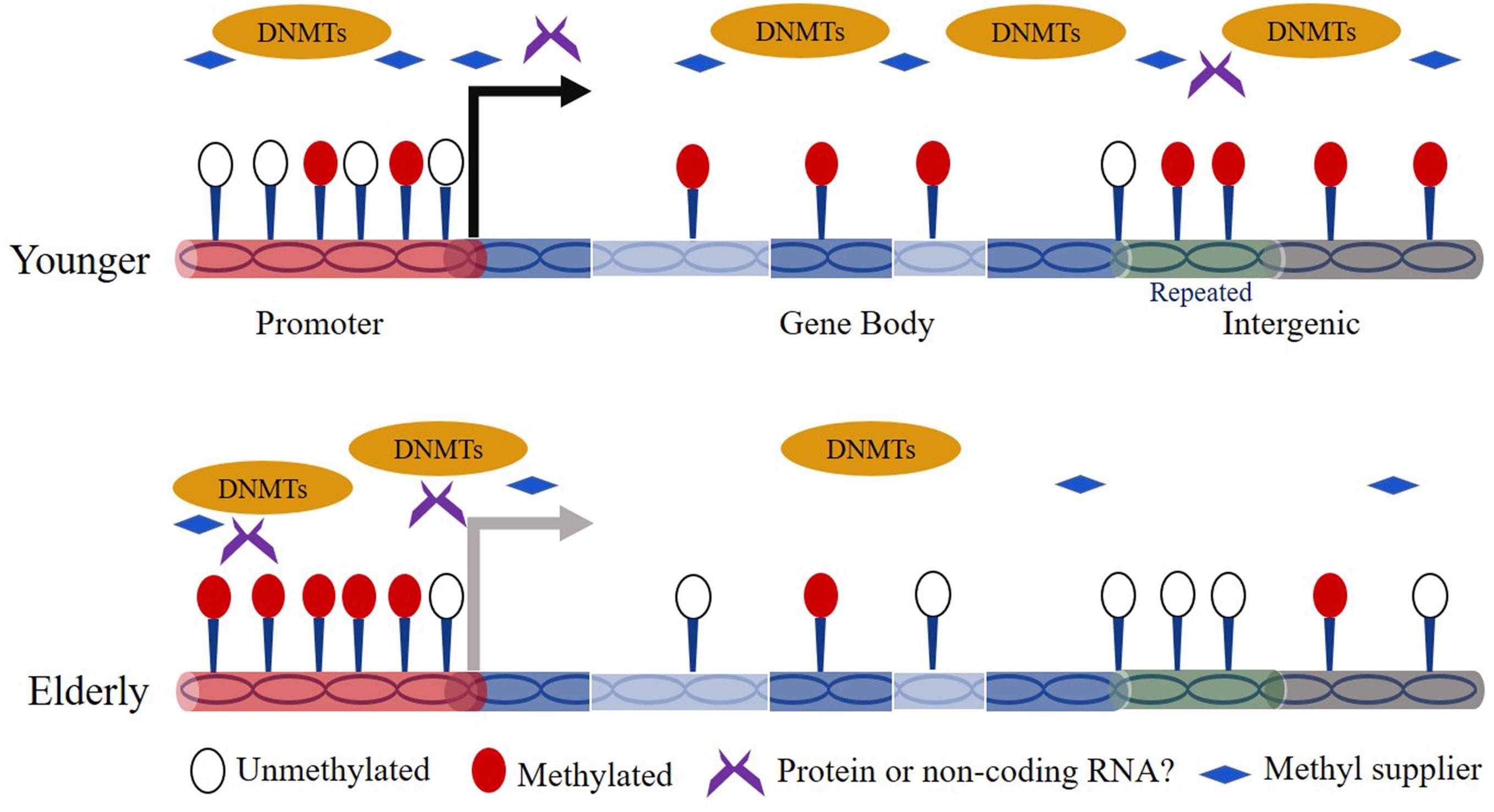
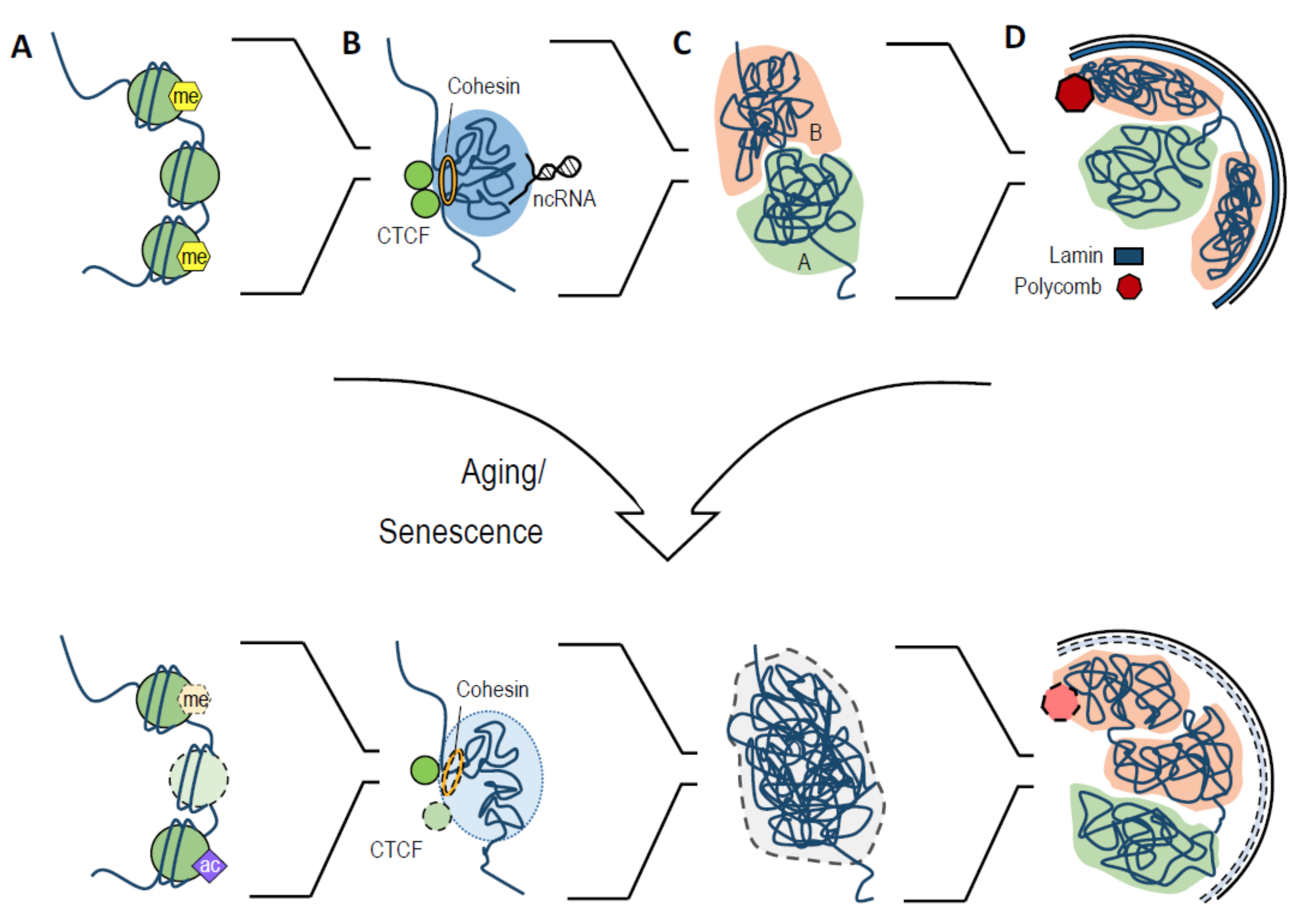
Your DNA is identical in almost every cell, yet a brain cell behaves nothing like a muscle cell. Why? Because of epigenetics—chemical markers (like DNA methylation and histone modifications) that control which genes are turned on or off.
As you age, these markers become disorganized. According to research from Harvard Medical School, aging resembles a gradual erosion of epigenetic information rather than permanent genetic damage. This “information loss” causes cells to forget their identity and function less efficiently.
Latest Research (2024–2025)
Animal studies published in Cell and Nature Aging show that restoring epigenetic signals can reverse biological age markers, improve tissue function, and restore youthful gene expression patterns. Human data using epigenetic clocks (such as DNA methylation clocks) confirms that lifestyle factors significantly influence biological age acceleration or deceleration.
Cellular Mechanisms
- Mitochondrial decline: Epigenetic drift reduces energy production
- Chronic inflammation: Poor gene regulation activates inflammatory pathways
- Stem cell exhaustion: Cells lose regenerative capacity
- Loss of cellular identity: Cells behave less like their original tissue
Longevity researchers, including David Sinclair, describe aging as a reversible loss of cellular software rather than broken hardware.
How Do You Implement Epigenetic Control Properly?
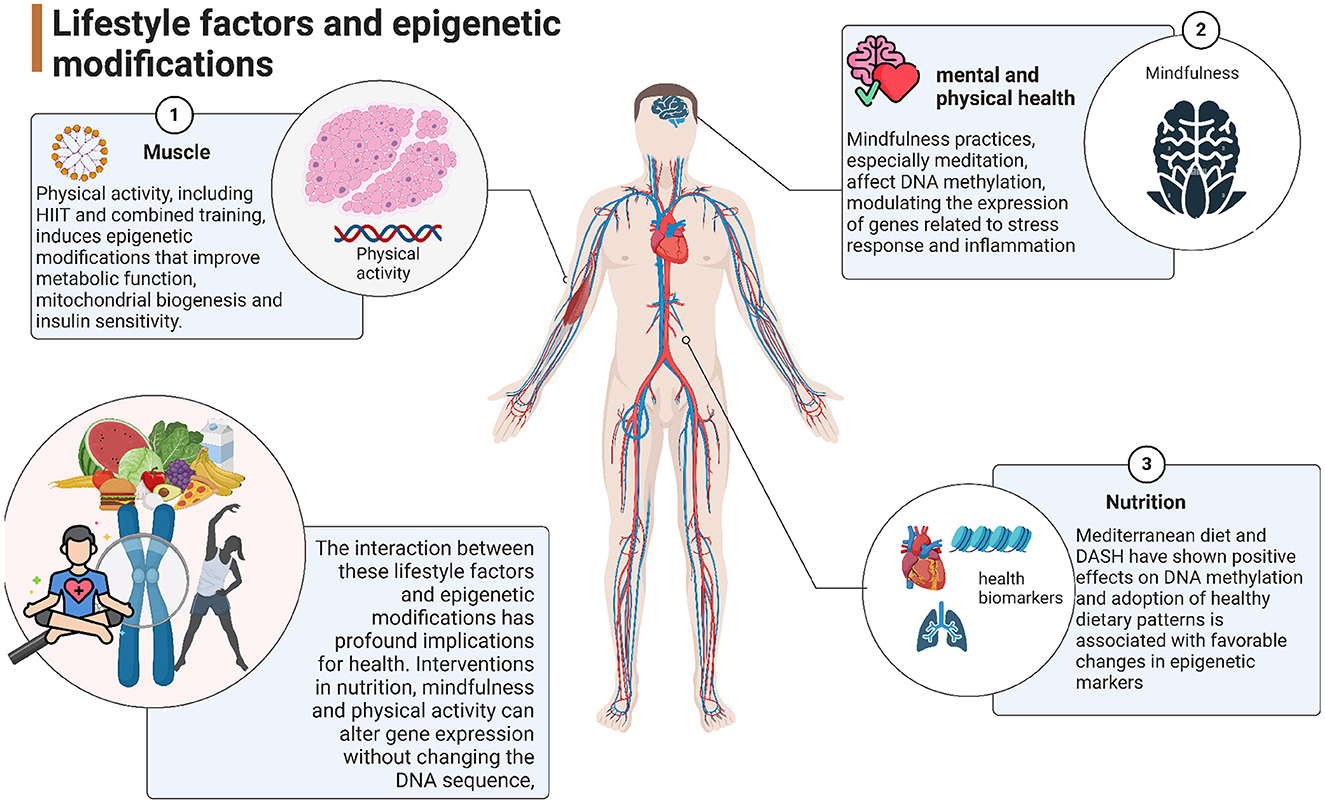
Direct answer: You influence epigenetic aging by consistently sending your cells the right environmental signals through behavior.
4
Step-by-Step Foundations
- Sleep (Non-Negotiable):
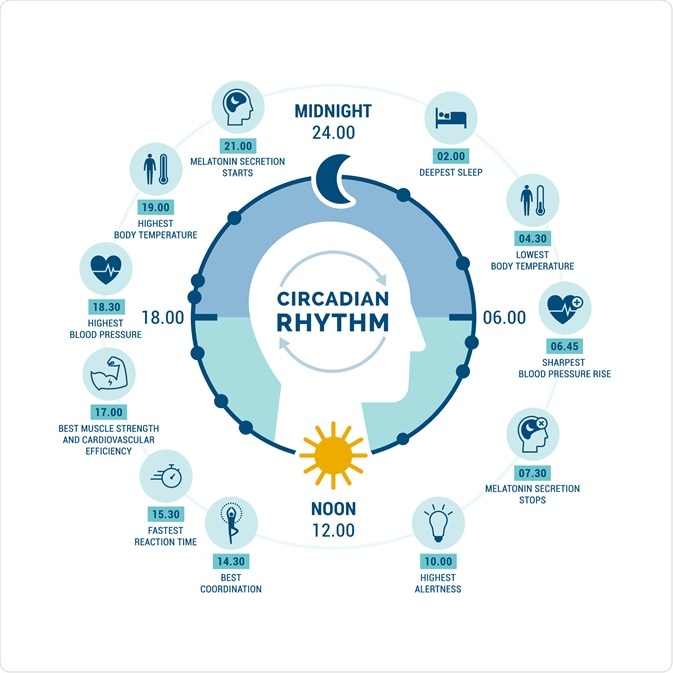
Deep sleep restores epigenetic markers and synchronizes circadian gene expression. - Exercise:
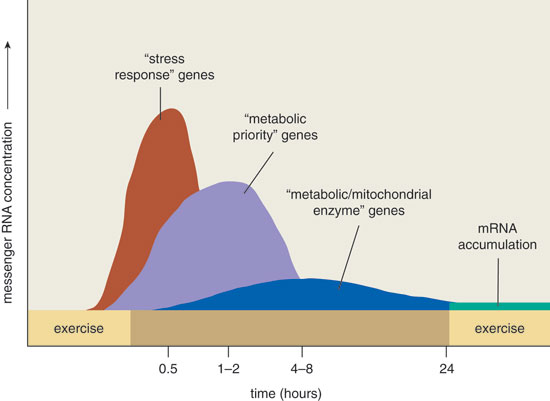
Resistance training and Zone 2 cardio activate longevity genes (AMPK, sirtuins). - Nutrition Timing:
Time-restricted eating improves DNA methylation patterns. - Stress Management:
Chronic cortisol accelerates epigenetic aging. - Light Exposure:
Morning sunlight regulates epigenetic circadian switches.
Week-by-Week Progression
- Week 1: Fix sleep and light exposure
- Week 2: Add structured exercise
- Week 3: Optimize nutrition timing
- Week 4: Layer stress-resilience practices
Common Mistakes
- Over-supplementing without lifestyle foundations
- Extreme fasting without recovery
- Ignoring sleep consistency
What Advanced Techniques Maximize Results?
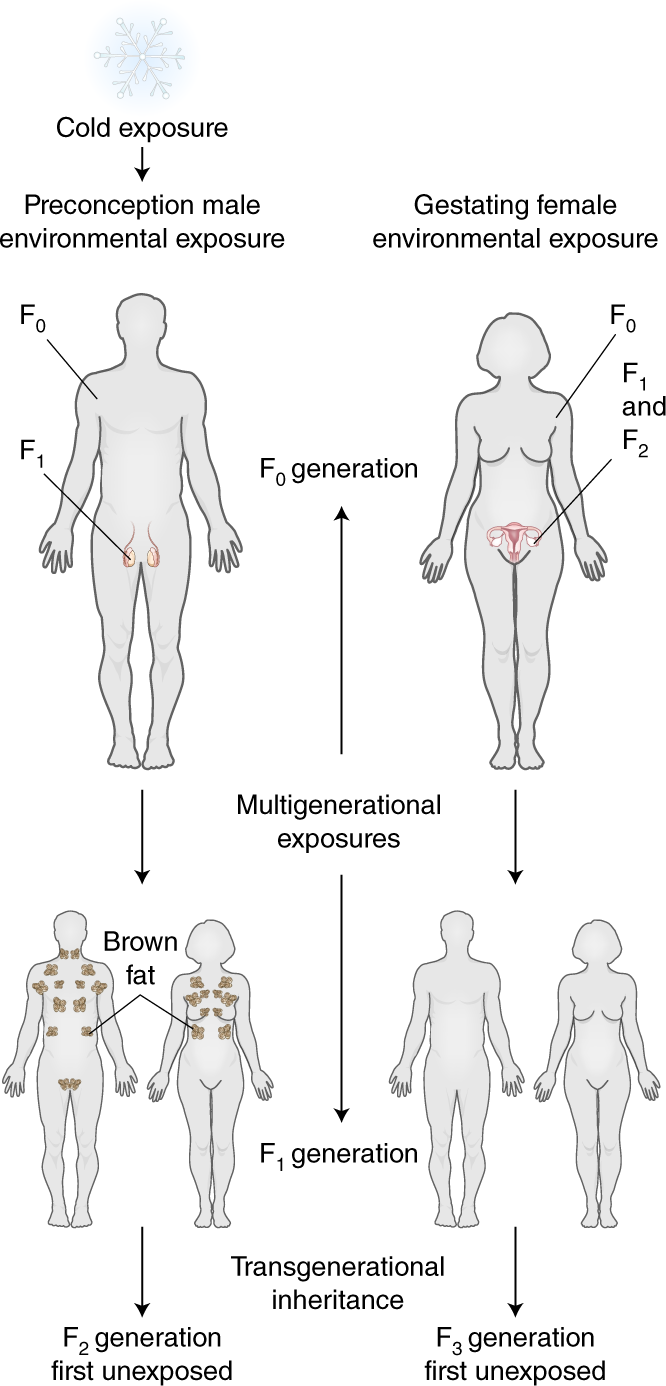
Direct answer: Advanced epigenetic optimization combines lifestyle basics with targeted biohacking.

4
Biohack Stacking
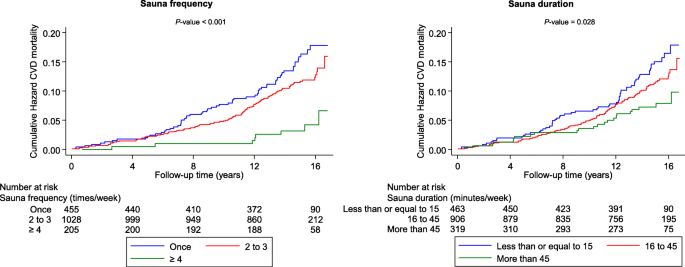
- Exercise + sauna → enhanced heat-shock proteins
- Fasting + cold exposure → mitochondrial biogenesis
- Sleep optimization + red light → DNA repair support
Personalization
- Men: Focus on insulin sensitivity and muscle signaling
- Women: Align protocols with hormonal cycles
- 50+: Emphasize recovery and inflammation control
Technology
Wearables tracking HRV, sleep stages, and resting heart rate help quantify biological aging trends over time.
What Are the Real-World Results?
Direct answer: People who optimize epigenetic signals often reduce their biological age by 2–8 years within months.
Clinical case data shows improvements in:
- Energy levels
- Inflammatory markers
- Metabolic health
- Cognitive performance
Biological age clocks frequently show measurable reversal within 8–16 weeks when protocols are followed consistently.
Action Plan: Your 4-Week Epigenetic Reset
Week 1: Sleep consistency + morning light
Week 2: Add resistance training (3x/week)
Week 3: Implement 12–14h eating window
Week 4: Add sauna or cold exposure
Track sleep, HRV, and energy weekly. Adjust based on recovery—not willpower.
Frequently Asked Questions
Is epigenetic aging reversible?
Yes. While not fully reversible, studies show biological age markers can be partially reversed through lifestyle and environmental changes.
Are genes irrelevant then?
No. Genetics set the baseline, but epigenetics determines how strongly those genes are expressed.
How fast can results appear?
Some markers improve in weeks; measurable biological age changes often appear within 2–4 months.
Do supplements matter?
They help, but only after sleep, exercise, and nutrition are optimized.
Is this safe after 50?
Yes—when protocols prioritize recovery and inflammation control.