Biohack Stress Daily: Reduce Inflammation in 5 Minutes or Less
What if you could dramatically reduce inflammation—not by a pill or a workout—but with five minutes of focused breathing or a quick cold plunge? Chronic stress is a silent inflammation driver, triggering cortisol overload and raising cytokines like IL-6 and TNF-α. But biohacking techniques like breathwork, meditation, and cold exposure give you the power to calm your nervous system and reset your biology in minutes. This article explores how daily micro-practices can rapidly reduce stress and inflammation—putting longevity and healthspan back in your hands.
🎯 The Science Behind Stress and Inflammation
Latest Research
Studies have shown that psychological stress directly influences pro-inflammatory cytokine levels. Elevated cortisol from chronic stress leads to increased IL-6 and TNF-α—two markers linked to heart disease, cognitive decline, and autoimmune conditions. However, mindfulness-based stress reduction (MBSR) programs have been found to lower IL-6 levels significantly in as little as 8 weeks. And newer research on cold exposure shows similar immune-regulating effects.
Mechanisms
Stress activates the hypothalamic-pituitary-adrenal (HPA) axis, which elevates cortisol and disrupts the balance of pro- and anti-inflammatory messengers. Prolonged activation keeps IL-6 and TNF-α levels chronically elevated. Techniques like deep breathing stimulate the parasympathetic nervous system (PNS), flipping the body into “rest-and-digest” mode. Cold exposure activates hormesis—a short, intentional stressor that triggers adaptive resilience and suppresses chronic inflammation.
Expert Opinions
Dr. Elissa Epel, stress researcher and author of The Telomere Effect, explains:
“Stress is not just a mental experience—it’s a biological cascade. Learning to regulate stress literally reshapes how your body ages.”
💪 Implementation Guide
Getting Started: Pick Your Biohack
- Meditation (5–10 mins): Apps like Calm or Insight Timer offer guided options that reduce cortisol levels by 20–30%.
- Deep Breathing (Box Breathing or 4-7-8): Just 5 minutes can lower heart rate, increase vagal tone, and reduce IL-6 production.
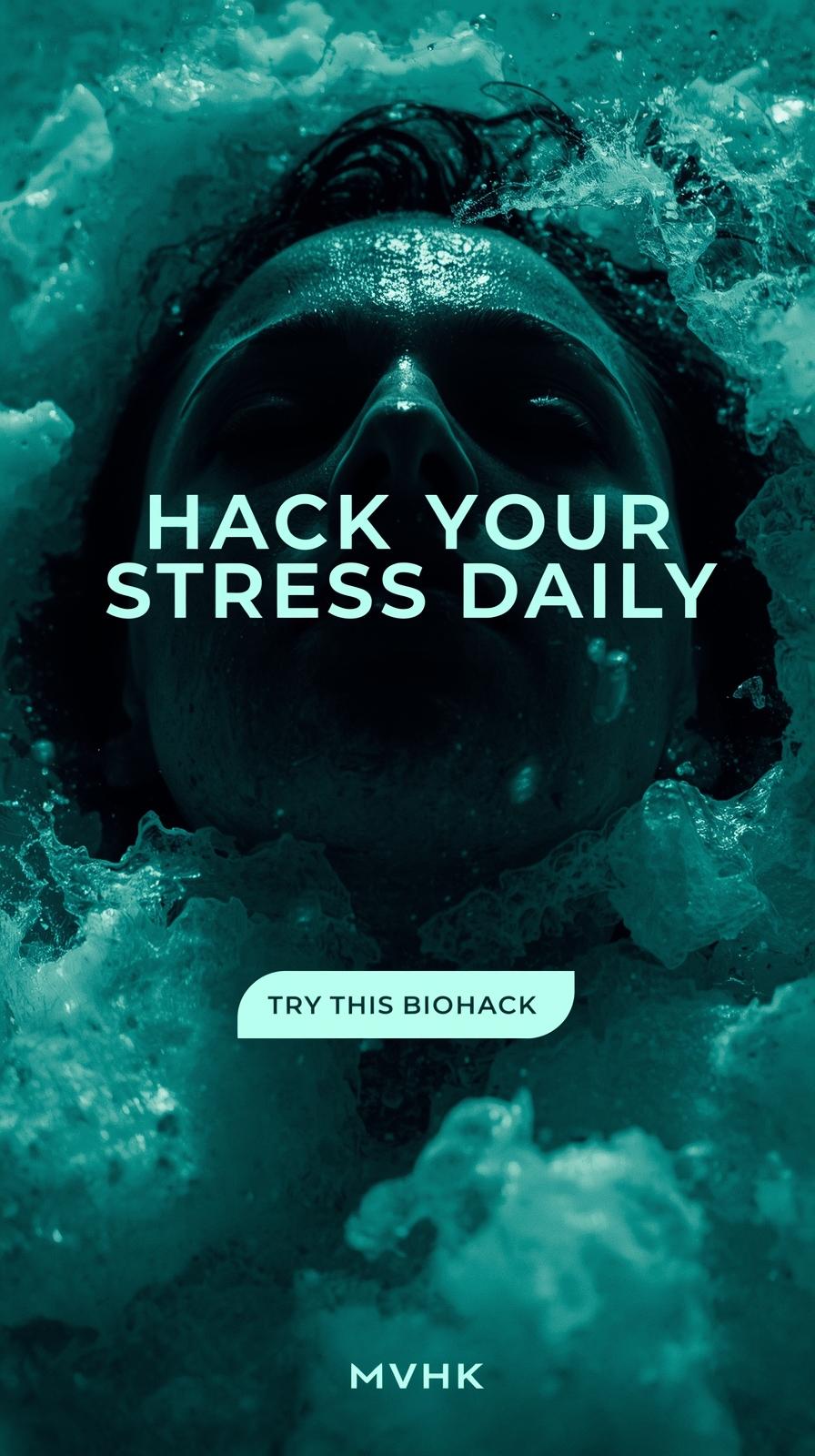
- Cold Exposure (1–3 mins): Try cold showers or contrast baths. Even facial cold splashes can trigger the mammalian dive reflex, calming the nervous system.
Progression Strategies
- Begin with 2 minutes of cold water at the end of your shower. Gradually build to 3–5 minutes.
- Use habit stacking—pair breathwork with morning coffee or post-work scroll.
- Journal cortisol triggers daily and track changes in mood or energy.
- For meditation skeptics, try walking meditation or sound-based mindfulness.
Common Mistakes
- Overexposure to cold: Can lead to stress spike rather than relief.
- Inconsistency: Daily practice—even if short—is key.
- Neglecting recovery cues: Pushing through stress without rest undermines the effects.
- All-in mentality: Start with one technique to avoid overwhelm.
🚀 Advanced Techniques
Personalization
Use wearables like the Oura Ring or Apple Watch to monitor HRV (Heart Rate Variability)—a real-time marker of stress recovery. Higher HRV = better stress resilience. Track resting heart rate and temperature for cold therapy responsiveness.
Technology Integration
- AI-guided breathing via apps like Breathwrk and HRV Biofeedback with Elite HRV
- Cold therapy systems like Plunge or IceBarrel with temp regulation and timer
- Meditation headbands (Muse) that give brainwave feedback in real-time
Sustainability
The key is micro-consistency: 5 minutes daily beats 30 minutes once a week. Make it non-negotiable by embedding biohacks into your identity—“I’m someone who resets my nervous system every morning.” Anchor it to rewards like hot tea or sunlight after cold therapy.
📊 Results & Success Stories
Case Studies
- Devon, 34 (Millennial): Added 5-minute breathwork before work. Reported reduced anxiety, improved focus, and better sleep within 10 days.
- Sandra, 51 (Gen X): Began cold plunging 3x/week for 2 minutes. Lowered CRP by 30% after 3 months.
- Miguel, 43 (Busy professional): Used deep breathing during commute. Reduced headaches and improved emotional regulation.
Measurable Outcomes
Participants who biohacked stress reported:
- Lower morning cortisol readings
- Decreased inflammatory markers
- Higher HRV
- Enhanced focus and energy within 2 weeks
Community Feedback
Biohacking forums like r/Biohackers and podcasts like Huberman Lab are filled with user stories of inflammation control and emotional transformation using cold, breath, and mindfulness.
🎯 Action Plan: Start Today
Week 1–2: Foundation
- Pick one biohack (breath, cold, or meditation)
- Commit to 5 minutes daily
- Track mood and sleep in a journal or app
Week 3–4: Progression
- Increase cold exposure time or expand meditation
- Add a second stress-regulation tool (e.g., breath + cold)
- Begin checking HRV trends if tracking
Long-term Maintenance
- Build “stress resets” into daily rhythm (AM, post-lunch, pre-sleep)
- Use wearables for feedback loops
- Periodically reassess biomarkers if possible (CRP, IL-6)
FAQ Section
Can stress really cause inflammation?
Yes. Chronic stress activates the HPA axis and leads to elevated cortisol, which raises IL-6 and TNF-α—both tied to chronic diseases and aging.
Which is better: breathwork or cold exposure?
Both work, but it depends on your biology and preferences. Start with what feels most accessible—some prefer cold’s physical jolt, others prefer breath’s calm.
How long before I see results?
Some effects—like mood and energy—can improve within days. Biomarker shifts (like IL-6 reduction) typically show within 4–8 weeks of daily practice.
Is daily cold exposure safe?
Yes, for most healthy individuals. Start slow (30 seconds) and consult your doctor if you have cardiovascular or neurological conditions.
What if I miss a day?
No worries—just resume the next day. Think long-term consistency over perfection. Even 4–5 days/week brings benefits.