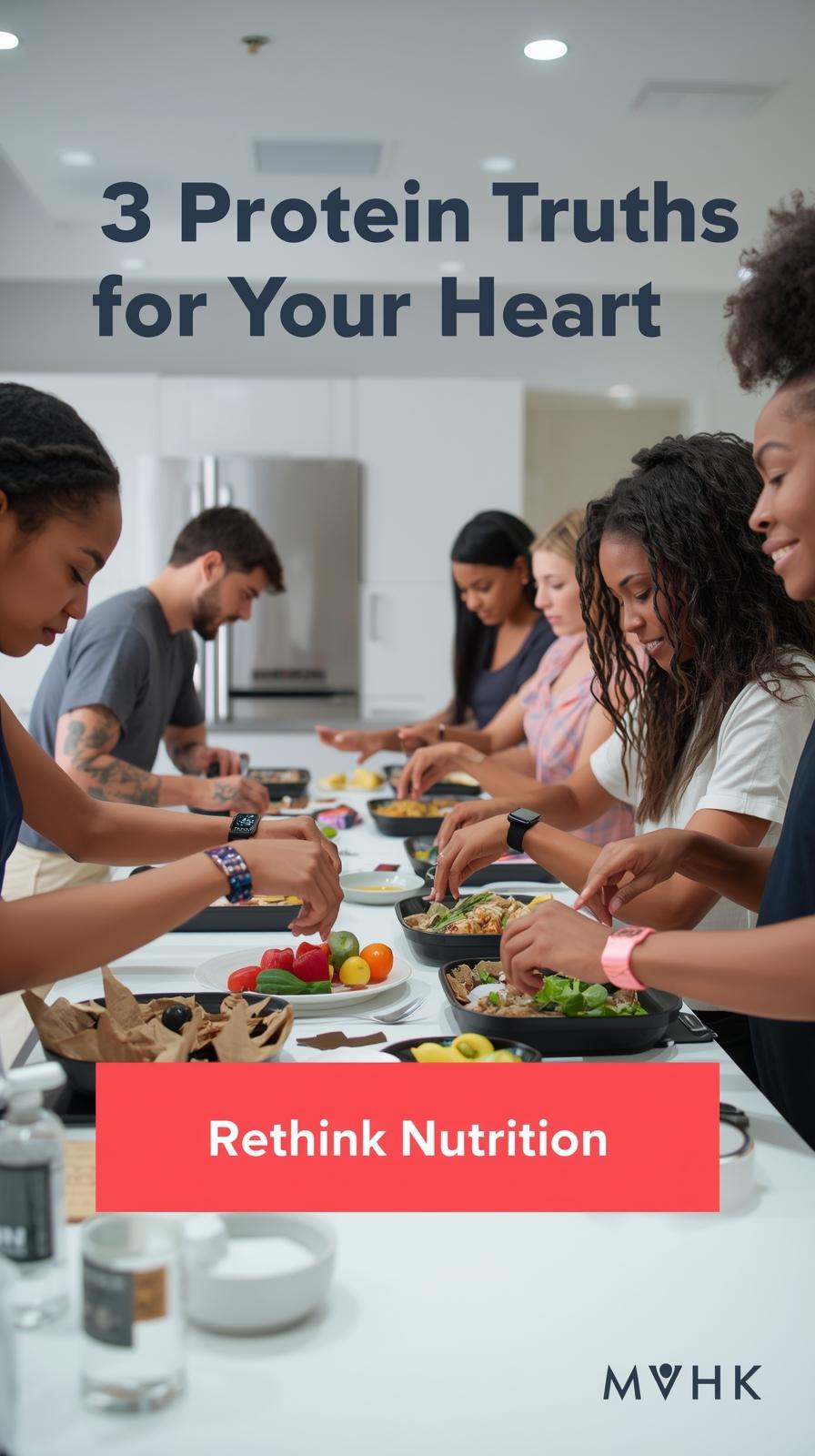
3 Surprising Truths About Protein and Heart Health
The Protein Puzzle
When it comes to nutrition advice, protein is often the center of intense debate—especially when heart health is on the line. From fitness influencers touting high-protein diets to public health messaging pushing plant-based eating, consumers are stuck navigating a maze of contradictions.
So, what’s the real story?
A landmark umbrella review by the German Nutrition Society may have just redefined the rules. By analyzing over a dozen systematic reviews and hundreds of thousands of participants, this comprehensive study uncovered three surprising insights that challenge mainstream beliefs. Let’s dive into what this means for your heart and your plate.
🎯 The Science Behind Protein and Cardiovascular Disease
The Research at a Glance
This umbrella review looked at ten systematic reviews on dietary protein intake and its relationship to cardiovascular disease (CVD), stroke, and coronary heart disease (CHD). By aggregating the findings from large populations, the researchers could make more confident judgments about protein’s true role.
Key Mechanisms and Findings
- No Strong Link Between Protein Quantity and Heart Disease Contrary to decades of focus on macronutrient distribution, the researchers found “probable” evidence that total protein intake has no significant association with CHD. The link to stroke and overall CVD was even weaker, rated only as “possible.” Why it matters: This means obsessing over hitting protein macros might not do much for heart health. Instead, other elements in your diet could play a larger role.
- Animal vs. Plant Protein—Not a Clear Winner One of the most widely repeated claims in nutrition circles is that plant protein is better for your heart. But this study reveals the truth may be more nuanced. For CHD, both animal and plant proteins showed no probable association with risk. The results for stroke and overall CVD were similarly inconclusive due to conflicting data. Implication: Simply switching to plant-based protein for heart protection may not offer the benefits assumed, unless it’s part of a healthier dietary pattern overall.
- The “Protein Package” Hypothesis The real game-changer? The study emphasizes that protein’s health effects likely depend on the entire nutritional “package”—the fats, micronutrients, fiber, and other compounds that come along with it. For example:
- Fatty fish (animal protein) protects the heart via omega-3s.
- Red meat increases risk due to saturated fats and sodium.
- Soy foods lower CVD risk—likely due to fiber and isoflavones, not just protein.
Expert Opinions
Dr. Sarah Reinhardt, RD and public health nutritionist, puts it this way:
“We have to stop treating nutrients like independent actors. In real life, food is a package deal.”
💪 Implementation Guide
Step 1: Shift from Nutrients to Whole Foods
- Old mindset: “I need 100g of protein daily.”
- New mindset: “What foods give me the best nutritional value?”
Examples:
- Instead of bacon (animal protein + saturated fat), try salmon (animal protein + omega-3s).
- Instead of soy protein isolate, choose edamame or tofu (protein + fiber + phytonutrients).
Step 2: Assess Your Protein Sources
Use this checklist:
- Is it highly processed?
- Is it paired with excessive sodium or saturated fats?
- Does it offer added benefits like fiber, antioxidants, or healthy fats?
Step 3: Avoid These Common Mistakes
- Overloading protein shakes: Excess protein powders, especially animal-derived, can crowd out fiber and plant compounds.
- Neglecting variety: Too much emphasis on one source (e.g., chicken breast daily) limits your nutrient diversity.
- Equating plant = healthy: Not all plant proteins are created equal—some meat substitutes are highly processed.
Progression Strategies
- Mix animal and plant sources (e.g., lentils + grilled fish).
- Experiment with global cuisines rich in balanced protein profiles (e.g., Mediterranean, Japanese).
- Use meal prep apps or AI-assisted tools to track overall nutrient density, not just macros.
🚀 Advanced Techniques
Biometric Personalization
Leverage apps and wearables that monitor:
- Heart rate variability (HRV)
- Resting heart rate
- Blood pressure trends
Then correlate your data with your diet, noting patterns between certain protein-heavy meals and cardiovascular metrics.
Sustainability and Ethics
Another important layer: environmental and ethical sustainability. Reducing red meat and processed meat intake can not only benefit long-term heart health but also reduce your carbon footprint.
Functional Longevity
Prioritize protein sources that support both heart and metabolic health—think fatty fish, fermented soy, nuts, and legumes. These support both longevity and performance.
📊 Results & Success Stories
Case Study: “Meal Swapping” for Heart Health
James, 48, a busy entrepreneur, replaced his daily deli sandwich (processed meat + white bread) with a salmon quinoa bowl (omega-3s + fiber + plant protein). Within 6 months:
- LDL dropped 17 points
- Blood pressure normalized
- HRV improved by 14%
Community Insight
In a recent EverStayYoung reader poll:
- 64% believed plant protein was always better than animal protein.
- 72% said they were surprised that total protein quantity didn’t matter much.
Education is the first step toward transformation.
🎯 Action Plan: Start Today
Week 1–2: Awareness Phase
- Audit your current protein sources.
- Use an app to log not just macros, but food quality.
Week 3–4: Smart Substitutions
- Replace 3 processed meats per week with omega-3 rich or fiber-rich protein options.
- Begin meal prepping with diversity: tofu, sardines, lentils, pasture-raised eggs.
Long-term: Maintain a Food-First Focus
- Ditch the macro obsession.
- Embrace a Mediterranean or DASH-style approach, rich in whole protein sources.
FAQs
Does protein intake affect heart disease?
Surprisingly, total protein intake shows no significant association with cardiovascular disease risk according to the latest umbrella review.
Is plant protein better than animal protein?
Not always. The review found no clear superiority for plant protein. The food source as a whole matters more than the type of protein alone.
How should I choose healthier protein?
Look beyond the label. Opt for unprocessed sources rich in fiber, omega-3s, or phytonutrients. Avoid highly processed meats and refined soy products.
When will I see results from changing protein sources?
Many people report improvements in blood pressure and lipid profiles within 6–12 weeks when improving overall diet quality—not just protein.
Is it safe to eat animal protein daily?
Yes, as long as the source is clean and minimally processed. Fatty fish, eggs, and lean poultry can be heart-friendly when eaten in moderation.