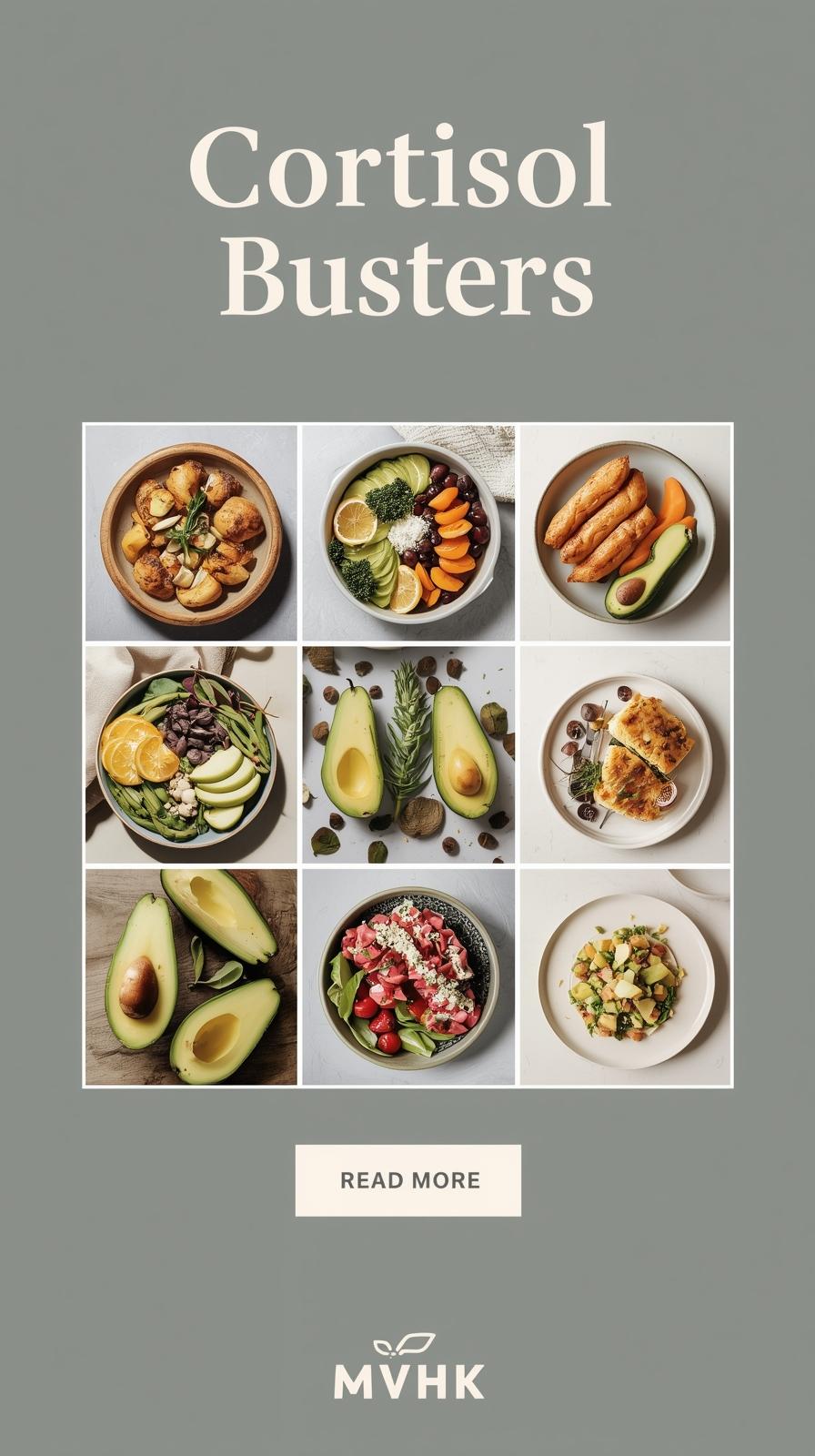
Cortisol-Busting Foods: How Nutrition Can Help You Beat Stress
Did you know your body’s response to stress can be influenced just as much by what’s on your plate as what’s on your mind? Cortisol, often dubbed the “stress hormone,” plays a critical role in regulating mood, energy, metabolism, and even immune function. But chronic stress can cause it to spike out of control — contributing to anxiety, weight gain, fatigue, and poor sleep.
The good news? You can tame your cortisol levels naturally with the right nutrients. In this article, we’ll explore how science-backed foods like blueberries, green tea, and magnesium-rich dark chocolate can help regulate your stress response — and how you can build a cortisol-smart nutrition plan tailored to your lifestyle and biology.
🎯 The Science Behind Cortisol-Busting Foods
What Is Cortisol and Why It Matters
Cortisol is a glucocorticoid hormone produced by the adrenal glands. It’s released in response to stress and helps your body handle short-term challenges. But long-term elevation of cortisol has been linked to:
- Increased belly fat
- Suppressed immunity
- Insomnia
- Mood swings
- Insulin resistance
According to the American Psychological Association (APA), more than 75% of adults report physical or emotional symptoms of stress daily. And studies show that nutrition directly impacts cortisol regulation through several mechanisms.
Nutrients That Modulate Cortisol
- Antioxidants: Help fight oxidative stress, which increases cortisol output.
- Example: Blueberries contain anthocyanins that reduce cortisol-related inflammation.
- Potassium: Associated with lower blood pressure and cortisol release.
- Example: Avocados are rich in potassium and healthy fats that buffer stress.
- L-Theanine: A calming compound in green tea that modulates brain alpha waves.
- Example: Reduces stress perception and improves focus.
- Magnesium: Known as “nature’s tranquilizer,” it helps prevent cortisol dysregulation.
- Example: Found abundantly in dark chocolate, leafy greens, and seeds.
Expert Insight
“The connection between food and stress isn’t just psychological — it’s biochemical. When we fuel our bodies with the right compounds, we directly influence our stress axis.”
— Dr. Hannah Barlow, Clinical Nutritionist, Institute for Functional Wellness
💪 Implementation Guide
Step 1: Choose Functional Stress-Fighting Foods
Incorporate these four foods regularly:
- Blueberries: Add 1/2 cup to your morning smoothie or oats.
- Avocados: Use 1/2 avocado in salads or on whole grain toast.
- Green Tea: Drink 1–2 cups per day instead of coffee.
- Dark Chocolate (70%+): Enjoy a 1 oz square post-meal.
Step 2: Balance Blood Sugar
High-glycemic meals can spike cortisol. Pair stress-busting foods with:
- Protein (eggs, salmon, legumes)
- Fiber (chia seeds, flaxseed, leafy greens)
- Healthy fats (olive oil, nuts)
Step 3: Support Gut Health
A healthy microbiome supports mood and reduces systemic inflammation.
- Include probiotics (yogurt, kefir)
- Add prebiotics (garlic, onions, asparagus)
- Avoid ultra-processed foods
Step 4: Track Your Progress
Use biometric tools like:
- Wearables: Fitbit, Oura Ring (monitor HRV, sleep)
- Apps: Cronometer or MyFitnessPal to log micronutrients
🚀 Advanced Techniques
Personalized Nutrition Based on Cortisol Rhythm
Everyone has a unique cortisol rhythm (diurnal pattern). Get tested via:
- Saliva or urine cortisol mapping
- Biofeedback sessions
- At-home test kits
Nutrigenomics & DNA-Based Plans
Your genetics can affect how you metabolize stress-related nutrients.
- Example: COMT gene variations impact magnesium metabolism
- Consider companies like DNAfit or InsideTracker
Biohacking Your Cortisol
- Cold plunges or contrast showers (short-term cortisol spike, long-term resilience)
- Infrared sauna (supports detox & lowers stress markers)
- Blue light filtering for better sleep hygiene
📊 Results & Success Stories
Case Study: Amanda, 39 – Working Mom & Lawyer
Amanda started a 30-day cortisol-balancing food plan with blueberries, green tea, and magnesium supplementation.
Results:
- Reduced brain fog by week 2
- Sleep improved by week 3
- Cortisol levels dropped 18% (saliva test)
Quantitative Outcomes
- Studies show magnesium can reduce cortisol by up to 25% in high-stress individuals.
- L-theanine in green tea increases alpha brainwaves in under 40 minutes.
Community Feedback
“I used to drink 4 coffees a day. Swapped to green tea and added dark chocolate — not only do I feel calmer, but my energy is more stable.”
– Mark, Remote Tech Consultant
🎯 Action Plan: Start Today
Week 1–2: Build the Foundation
- Add 2 cortisol-fighting foods daily
- Reduce processed sugar
- Begin morning journaling or breathwork
Week 3–4: Layer in Personalization
- Swap to low-caffeine green tea
- Add magnesium glycinate if deficient
- Track food + mood with an app
Long-Term Maintenance
- Aim for a “stress-smart plate” 80% of the week
- Continue mindfulness routines
- Get annual cortisol lab testing
❓ FAQ Section
What foods reduce cortisol fast?
Blueberries, avocados, green tea, and dark chocolate have compounds that lower cortisol within hours to days, especially when part of a consistent diet.
Can diet alone balance cortisol?
While food is powerful, optimal cortisol balance also includes sleep, movement, and emotional health. Diet is the foundation.
How do I know if my cortisol is high?
Symptoms include fatigue, belly fat, mood swings, and poor sleep. A saliva or urine cortisol test confirms it.
How long to see results from cortisol-friendly eating?
Most people notice improvements in mood, energy, and sleep within 1–3 weeks.
Is it safe to eat dark chocolate daily?
Yes, in moderation (1 oz of 70%+ cacao). Avoid added sugars and milk chocolate which can raise blood sugar and counteract benefits.