Zone 2 Cardio: The Key to Fat Metabolism and Lifelong Energy
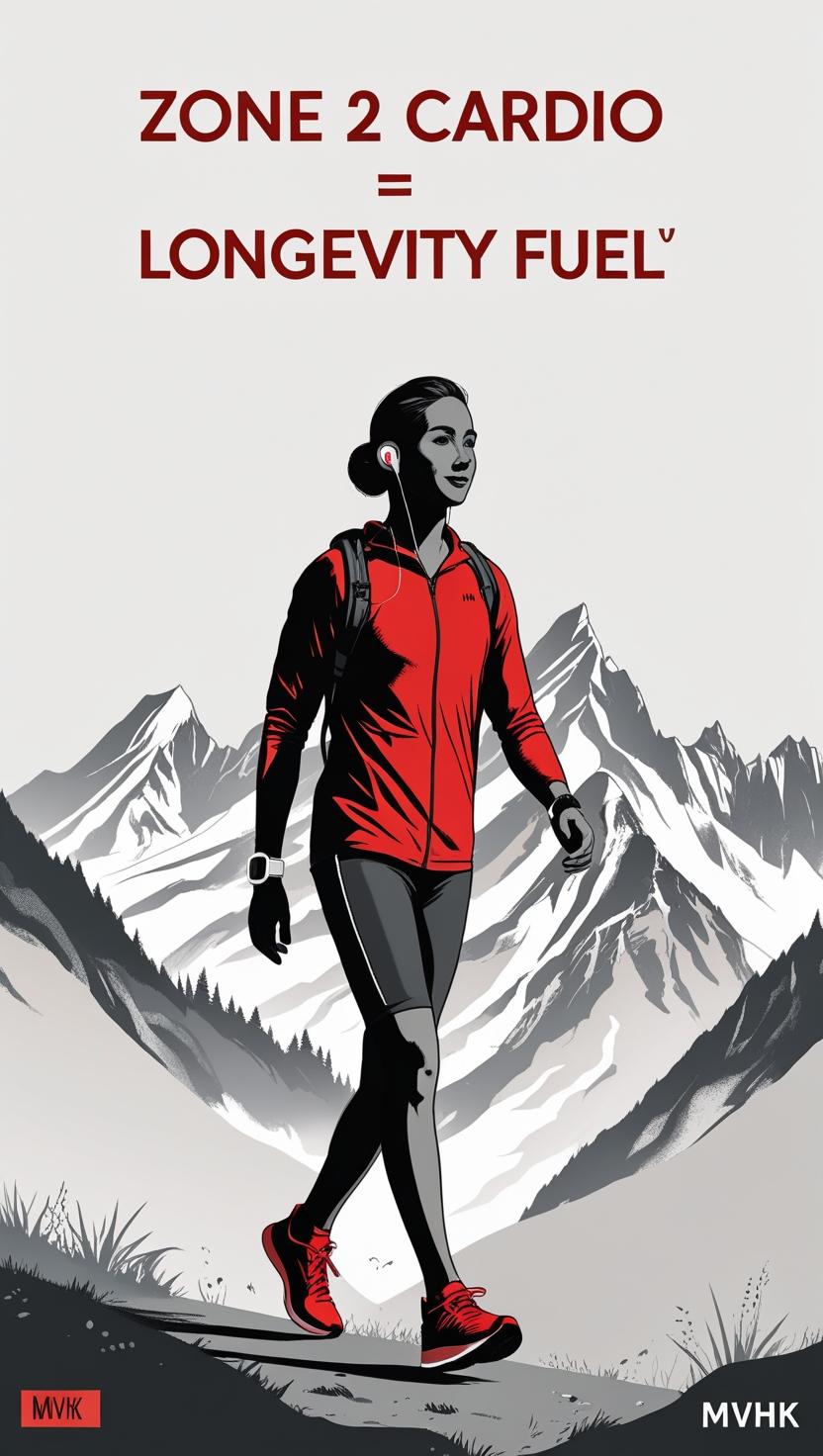
Can low-intensity cardio really be the secret to peak performance and a longer life? Absolutely — and it’s called Zone 2 training. In 2025, health-forward professionals and high-performing nomads are swapping bootcamps for mitochondria-boosting walks and rides. Zone 2 cardio, a heart rate zone just below your lactate threshold, optimizes fat metabolism, increases VO₂ max, and supercharges your mitochondria — all without exhausting you.
This guide unpacks the science, strategy, and sustainability of Zone 2 training — and why doing it 3x a week could be the best longevity investment you make.
🎯 The Science Behind Zone 2 Training
Latest Research
Emerging studies from Harvard Health and the Journal of Applied Physiology suggest that 45–60 minutes of Zone 2 cardio 3–5 times a week significantly improves metabolic flexibility, mitochondrial function, and cardiovascular efficiency — even in older adults.
A 2024 meta-analysis showed that Zone 2 athletes improved VO₂ max by 15–20% over 12 weeks, with lower inflammatory markers and better insulin sensitivity.
Mechanisms
Zone 2 targets the mitochondrial threshold — the level of effort where the body burns mostly fat and delays the switch to anaerobic glucose use. At this heart rate range (roughly 60–70% of max heart rate), Type I muscle fibers dominate, fat becomes the primary fuel, and lactate accumulation stays low.
This is where the “cardio sweet spot” happens:
- You oxidize fat more efficiently
- You increase capillary density
- You improve mitochondrial respiration
- You preserve energy while enhancing output
Expert Opinions
Dr. Peter Attia calls Zone 2 the “underrated pillar of longevity”, while endurance coach Iñigo San Millán has dubbed it “the mitochondrial zone” — critical for athletes and non-athletes alike.
Even elite cyclists and ultrarunners spend 80% of their training in Zone 2, proving its efficiency at improving aerobic base without burnout.
💪 Implementation Guide
Getting Started
You don’t need fancy gear. Just a talk test and a heart rate monitor (optional). Zone 2 is the intensity where:
- You can speak in full sentences, but not sing
- Your heart rate is around 60–70% of max
- You feel like you could go for hours
Examples:
🚶♂️ Brisk walking
🚴♀️ Casual cycling
🥾 Incline hiking
🚣♂️ Rowing at conversational pace
Start with 30 minutes, 3x a week. Add 5–10 minutes weekly.
Progression Strategies
Once you’re comfortable:
- Move to 4–5 sessions/week
- Include a long Zone 2 day (60–90 mins)
- Use wearables (Garmin, WHOOP, Apple Watch) for HR feedback
- Incorporate Zone 2 into commutes or breaks (e.g., walking meetings)
Pair it with resistance training or Zone 5 sprints for a hybrid protocol.
Common Mistakes
🚫 Going too hard — slipping into Zone 3
🚫 Overtracking and stressing metrics
🚫 Expecting instant results — it’s a long game
🚫 Skipping mobility or strength (Zone 2 is complementary, not a replacement)
🚀 Advanced Techniques
Personalization
Use lactate threshold testing or VO₂ assessments to find your precise Zone 2. Apps like Athlytic or HRV4Training help map metabolic zones based on your unique physiology.
Technology Integration
Smartwatches and platforms like TrainingPeaks and Zwift now offer real-time Zone 2 tracking, helping you stay in range without lab tests. AI-driven coaching apps can even auto-adjust your training load based on HRV and sleep.
Sustainability
Zone 2 is mentally and physically sustainable. It doesn’t drain you, it restores you. Many digital nomads and executives report better cognitive function, more energy, and lower stress when using Zone 2 as their anchor cardio.
📊 Results & Success Stories
Case Studies
Case 1:
Mira (Age 42, remote UX designer) started walking 45 mins daily while traveling. After 3 months:
✅ Resting HR dropped from 72 to 58
✅ VO₂ max increased by 18%
✅ Lowered A1C from prediabetic range to normal
Measurable Outcomes
- 20% boost in mitochondrial enzyme activity (JAP, 2024)
- 30% more fat burned at rest
- 2–4x increase in endurance capacity
- Lower cortisol and improved HRV
Community Feedback
Fitness forums and Reddit threads in 2025 are filled with Zone 2 converts:
🗣️ “I’ve never felt more stable and calm after cardio.”
🗣️ “This is the secret to longevity no one talks about.”
🗣️ “My joints thank me. No more HIIT injuries.”
🎯 Action Plan: Start Today
Week 1–2: Foundation
- 3x 30-minute sessions
- Keep it conversational
- Journal your energy and mood afterward
Week 3–4: Progression
- Increase to 4 sessions
- Add 1 long Zone 2 session (60+ mins)
- Monitor heart rate for better precision
Long-term Maintenance
- Stick to 3–5x/week
- Integrate with strength and Zone 5
- Use wearables to stay in tune with fatigue
- Treat it as mental recovery as well as physical
📚 Frequently Asked Questions
What is Zone 2 heart rate?
Zone 2 = 60–70% of your max heart rate. For most, that’s ~105–135 bpm. Use the talk test to confirm.
How long should I do Zone 2 cardio?
Start with 30–45 minutes, 3–5 times a week. Consistency matters more than duration.
Can I lose weight with Zone 2?
Yes — it increases fat oxidation and metabolic flexibility, helping you burn more fat over time.
How soon will I see results?
Most people feel better within 2–3 weeks. Mitochondrial and metabolic gains show within 6–12 weeks.
Is Zone 2 safe for older adults?
Absolutely. In fact, it’s ideal — low impact, heart-safe, and great for cognitive function.