Stress Rehearsal: Train Your Nervous System to Stay Calm Under Pressure
Why do some people stay cool under pressure while others shut down or lash out? The answer lies in how they’ve trained their nervous system.
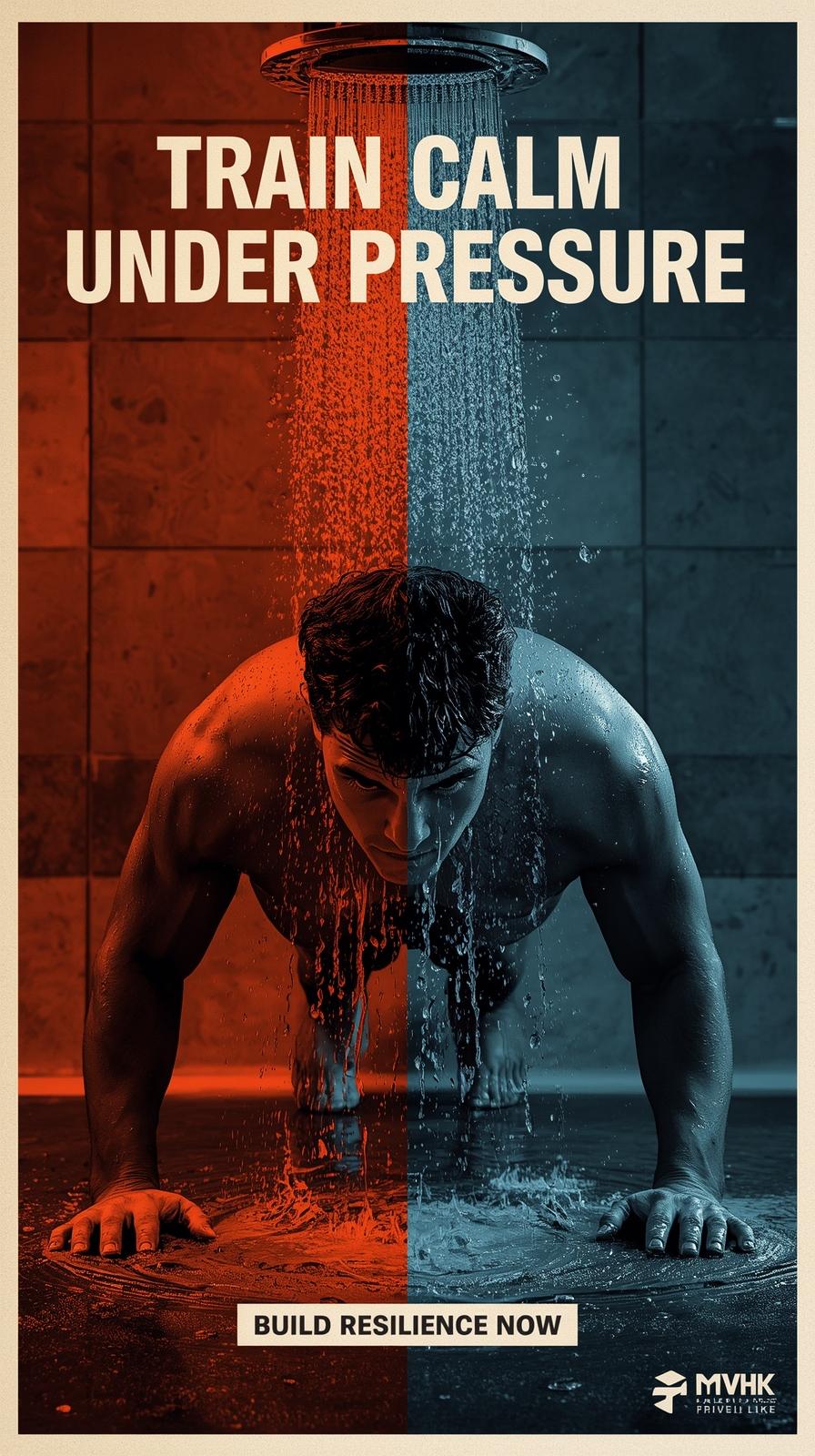
Stress rehearsal—intentionally exposing yourself to manageable discomfort—can dramatically increase your capacity for calm, focus, and resilience. Whether it’s holding a plank until failure or taking a freezing cold shower, these micro-stressors train your body to regulate itself during real-life challenges.
Let’s explore how this works, how it relates to your optimal arousal zone, and how you can start applying it in just minutes a day.
🎯 The Science Behind Stress Rehearsal
Stress rehearsal is grounded in nervous system regulation and the concept of the Window of Tolerance, a term coined by Dr. Dan Siegel. This “window” represents the optimal state where you can process, respond, and perform without becoming overwhelmed (hyperaroused) or disconnected (hypoaroused).
The Two Extremes:
- Hyperarousal – racing thoughts, anxiety, panic, emotional flooding
- Hypoarousal – numbing, shutdown, disconnection
The goal is to expand your Window of Tolerance so you can handle more without crossing into these extremes.
What Stress Rehearsal Does:
- Activates the nervous system intentionally
- Builds self-regulation capacity under pressure
- Prevents dissociation or emotional reactivity in real scenarios
Neuroscience Behind It:
- Hormesis: Small doses of stress (like cold or exertion) create stronger systems.
- Vagal Tone: Repeated stress recovery improves vagal flexibility, boosting calm responses.
- Neuroplasticity: You literally train your brain to feel safe in discomfort.
Studies show that cold exposure, high-intensity interval training (HIIT), and breath-holding exercises improve:
- Heart Rate Variability (HRV)
- Emotional regulation
- Resilience scores (via psychometrics like the Connor-Davidson Resilience Scale)
💪 Implementation Guide
Getting Started with Micro-Stressors
1. Cold Showers (Start: 30 sec)
- Builds thermal resilience
- Stimulates noradrenaline, improving alertness
- Forces parasympathetic rebound when ended
2. Sprints or HIIT (30–60 sec intervals)
- Induces cardiovascular stress in short bursts
- Trains quick recovery
- Taps into fight-or-flight system safely
3. Planks Until Failure
- Physical discomfort builds tolerance
- Enhances discipline under fatigue
Progression Strategy
- Week 1: 30 seconds cold exposure or sprint
- Week 2: Add breath control (e.g., nasal breathing during effort)
- Week 3: Increase time or add contrast stress (e.g., ice followed by heat)
- Week 4+: Mix modalities (e.g., plank after sprint or cold after HIIT)
Mistakes to Avoid
- Going too hard, too soon – You want controlled discomfort, not trauma.
- Skipping recovery – Reflection and calm-down phases are where the magic happens.
- Using it to punish – This is training, not self-abuse.
🚀 Advanced Techniques
Personalization
- Morning ritual: Cold exposure + breathwork to start the day clear
- Pre-meeting ritual: Fast-paced walk or 60-sec sprint to fire up clarity
- Creative block reset: Plank to failure, then ice on neck to reboot focus
Tech Integration
- Use wearables like WHOOP, Garmin, or Apple Watch to monitor:
- HRV response
- Recovery time
- Breath patterns
Apps like Othership and Wim Hof Method guide cold breath sessions with built-in timers and recovery cues.
Sustainability
- Stack stress rehearsal with habits you already do (e.g., cold rinse after shower)
- Use as bookends to your day: challenge in AM, calm in PM
- Reflect weekly to assess emotional and physical resilience gains
📊 Results & Success Stories
Case Study: Josh, 35, Startup Founder
“After starting daily cold showers and 2-minute plank challenges, I noticed I didn’t snap at my team during stressful moments. I was more aware, less reactive, and even slept better.”
Research Backing:
- Journal of Environmental Physiology shows cold stress boosts stress tolerance in 2 weeks.
- Stanford’s Huberman Lab outlines protocols where short discomfort increases cognitive control and reduces chronic anxiety.
Measurable Gains:
- HRV up 12% in 30 days
- Stress recovery time down by 20%
- Mood resilience scores improve by 30% in 4–6 weeks
🎯 Action Plan: Start Today
Week 1–2: Light Exposure
- Cold rinse 30 seconds daily
- 30-second sprint every other day
- 1-minute plank post-work
Week 3–4: Controlled Intensity
- 90-second cold, longer holds
- Add nasal-only breath during sprint
- Track HR and reflect in journal
Long-Term Maintenance
- Use stress rehearsal before big events
- Combine with meditation for total regulation
- Teach it to others—accountability = mastery
FAQ
What is stress rehearsal?
It’s intentional exposure to short-term, controlled discomfort to build resilience and nervous system regulation.
Isn’t stress harmful?
Chronic stress is—but acute, controlled stress actually strengthens your system through a process called hormesis.
How long should I do it?
Start with 30–60 seconds. Frequency matters more than duration. Consistency builds capacity.
Does it really expand my “arousal window”?
Yes—over time, you can stay calm and focused in more intense situations by increasing your nervous system’s tolerance.
Is it safe?
Generally yes, but start slow. If you have cardiovascular or respiratory issues, consult a medical professional first.