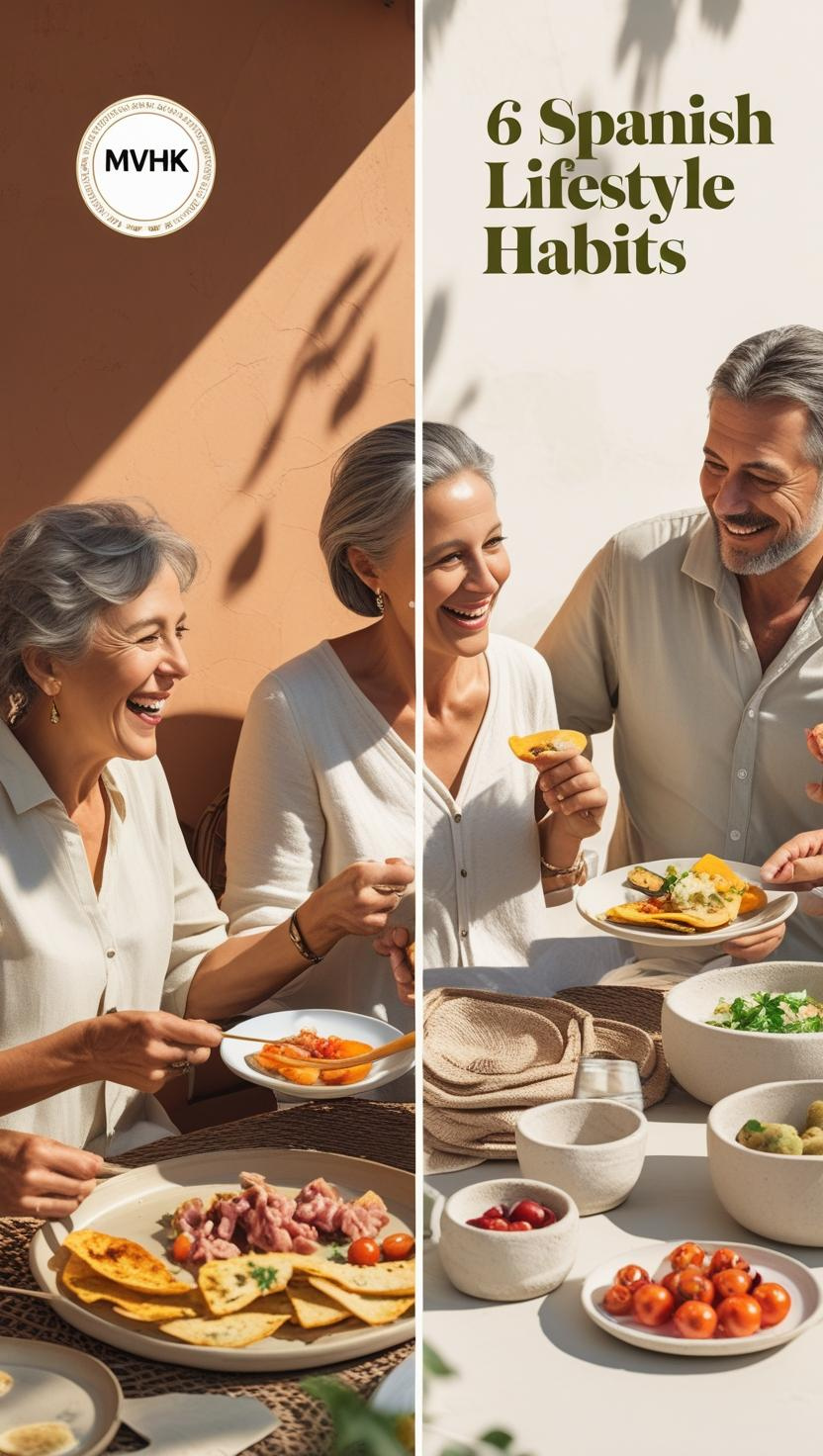
Spanish Longevity Secrets Every Christian Entrepreneur Can Apply
Why do Spaniards live nearly a decade longer than Americans—despite daily wine, fresh bread, and minimal gym time?
In an age where Americans chase extreme diets and intense routines, Spain’s approach to longevity seems refreshingly counterintuitive. Yet it works.
Recent data from the OECD and WHO reveals Spain’s average life expectancy exceeds 83 years—among the highest globally. And it’s not genetics. It’s lifestyle.
This blog breaks down six transformative habits rooted in Spain’s culture—and how you can live them out in your own life, especially as a Christian entrepreneur balancing ambition and well-being.
From slow meals to sacred rest, these are not just physical practices—they’re spiritual disciplines. Here’s how to implement them in a way that honors both your body and your calling.
🎯 The Science Behind Functional Longevity
Latest Research
Spain ranks among the world’s healthiest nations. According to the Bloomberg Healthiest Country Index, factors include diet, environment, public health access, and stress levels. But most interestingly, the lifestyle rhythms—walkable cities, unhurried meals, and strong social ties—are proving more powerful than supplements or biohacks.
Mechanisms
- Gut-friendly foods: Olive oil, legumes, fresh produce improve microbiome diversity and reduce inflammation.
- Circadian alignment: Siestas and late dinners align with their natural rhythms—not rigid time blocks.
- Low chronic stress: Fewer work hours, more time outdoors, stronger relationships—all reduce cortisol levels.
Expert Opinions
Dr. Dan Buettner, founder of Blue Zones research, emphasizes: “Spain’s culture builds longevity into everyday life. It’s not about willpower—it’s about environment.”
Dr. Ramón Estruch of the PREDIMED study supports this: “The Mediterranean lifestyle isn’t just about food. It’s how you live, rest, and connect.”
💪 Implementation Guide
Getting Started
Start small. Pick 1–2 habits to shift:
- Take a daily 15-minute evening walk after dinner.
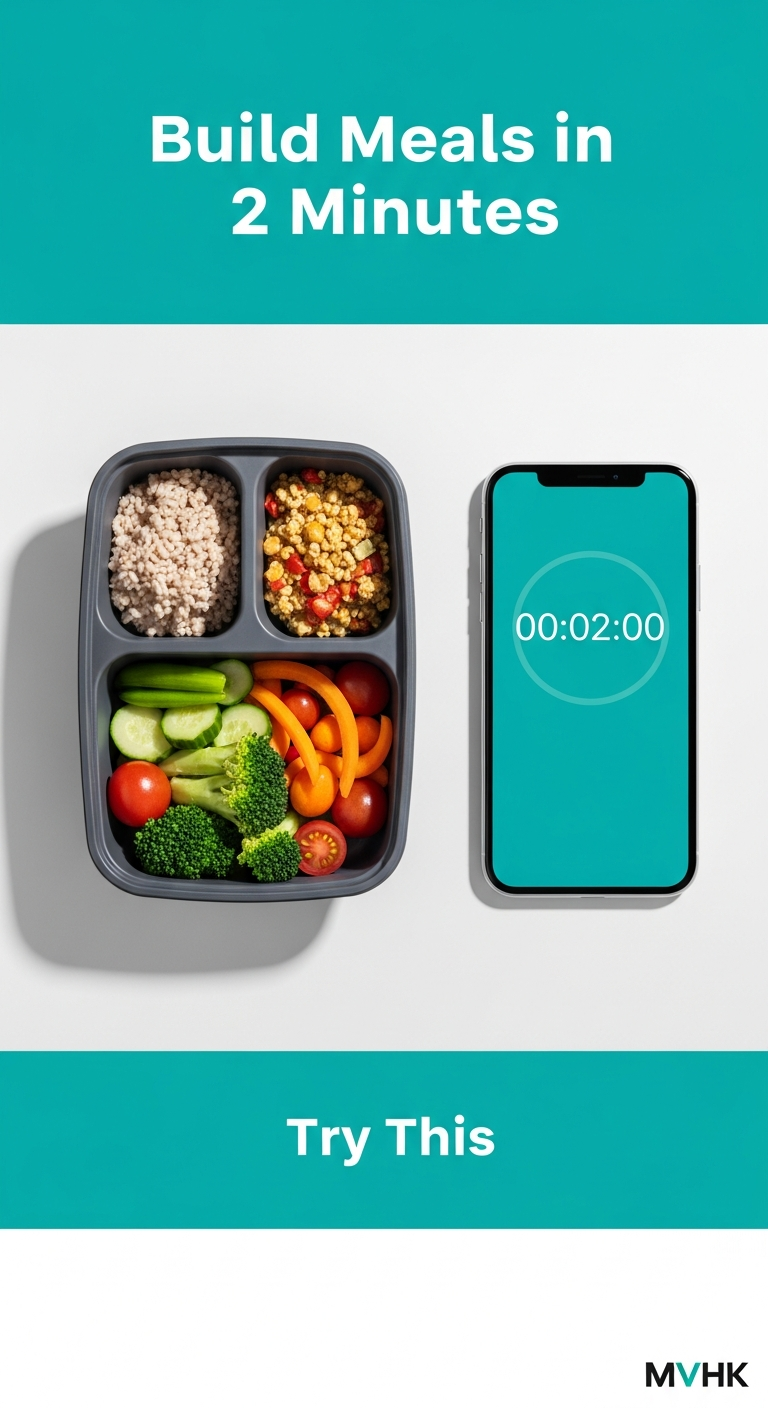
- Prepare one home-cooked Mediterranean-style meal per day.
- Schedule a real lunch break—no screens.
Progression Strategies
- Gradually shift from processed foods to whole, regional ingredients.
- Implement tech boundaries to protect rest.
- Build a “movement stack”: walk + stairs + stretching + 3 strength workouts weekly.
Common Mistakes
- Thinking “more gym” = more health. Spain proves movement > exercise.
- Overcomplicating your diet. Simplicity + consistency wins.
- Treating rest like a reward instead of a rhythm. Prioritize it as a discipline.
🚀 Advanced Techniques
Personalization
Use biometric tracking (like WHOOP or Oura) to understand your sleep quality, HRV, and stress patterns—then adjust meal timing and movement for better results.
Technology Integration
Apps like Zero for fasting rhythms or ChronoFit for circadian alignment can help you mimic Spain’s natural cadence while living in a high-paced culture.
Sustainability
Think long-term rhythms, not 30-day sprints. Create rituals that feel like you—a Sunday sabbath, tech-free meals, monthly social dinners. Make it enjoyable, or it won’t last.
📊 Results & Success Stories
Case Studies
- Emily, a 42-year-old Christian business owner, cut gym time in half but walked daily, prioritized family dinners, and improved her sleep—losing 12 lbs and reversing prediabetes.
- Jason, a remote worker, adopted siesta-inspired breaks and a Mediterranean lunch—his blood pressure dropped 10 points in 6 weeks.
Measurable Outcomes
- Lower cortisol levels
- Improved insulin sensitivity
- Greater social satisfaction
- Enhanced spiritual awareness
Community Feedback
Inside the EverStayYoung group, members who integrate these habits report greater peace, better digestion, and increased productivity.
🎯 Action Plan: Start Today
Week 1–2: Foundation
- Swap two processed meals for fresh, home-cooked ones
- Walk after 1–2 meals daily
- Implement a 24-hour digital Sabbath each week
Week 3–4: Progression
- Add 3x weekly resistance training
- Slow down at meals—practice pre-meal prayer
- Set firm work boundaries (no late-night emails)
Long-Term Maintenance
- Use monthly check-ins to reassess
- Rotate seasonal ingredients
- Invite others into your rhythms—build longevity with community
📚 FAQ Section
How does Spain’s lifestyle improve longevity?
Daily movement, real food, social connection, and prioritizing rest create an anti-inflammatory, hormone-balanced environment that extends life naturally.
Does bread and wine affect their health?
Not when consumed with balance. Spain’s bread is less processed, and wine is enjoyed socially and moderately—not mindlessly or excessively.
How do I integrate this lifestyle while running a business?
Use time blocks for meals and rest, schedule walking meetings, and build a community around your goals. Delegate when possible.
How long until I see results?
You may notice better digestion, energy, and sleep within 2–4 weeks. Bloodwork improvements typically follow within 6–12 weeks.
Is it safe to reduce gym time if I move more?
Yes—daily movement builds a healthier baseline. Combine it with 2–4 weekly strength sessions for optimal results.