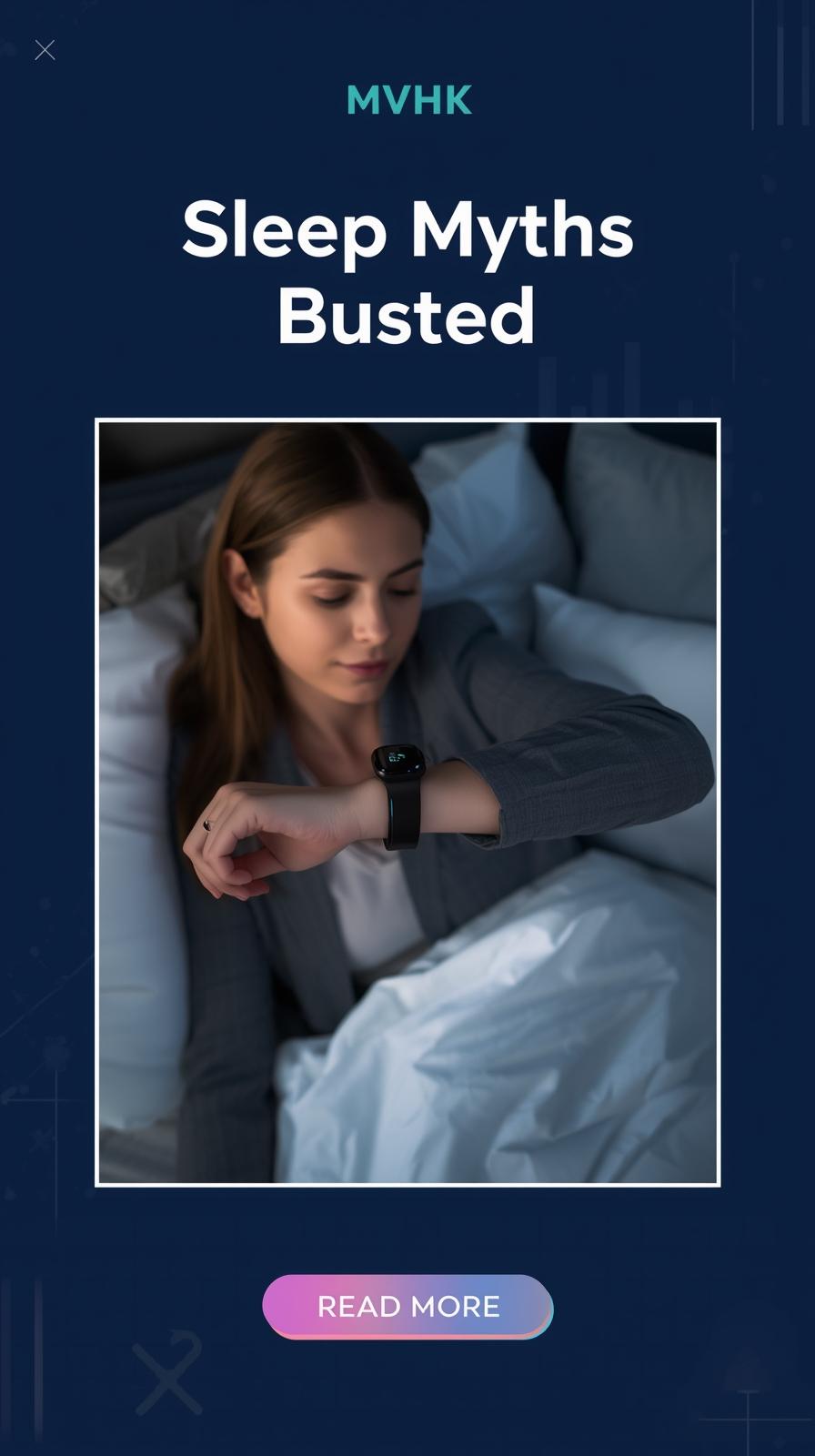
Sleep Myths Busted: The Data Behind Circadian Optimization
How much do you really know about sleep? According to the CDC, about 1 in 3 adults in the U.S. reports sleeping less than 7 hours per night—the minimum recommended for health. Chronic poor sleep isn’t just about feeling groggy; it increases the risk of heart disease by 48%, obesity by 55%, and type 2 diabetes by up to 40%.
Yet, despite mountains of research, misinformation still circulates. In this article, we’ll break down the most common myths about sleep and show you how circadian optimization—a top wellness trend for 2025—can protect your health, boost energy, and even extend your lifespan.
🎯 The Science Behind Circadian Health
Latest Research
- Global Burden: The World Health Organization identifies insufficient sleep as a public health epidemic, linked to millions of preventable deaths worldwide.
- Economic Impact: Sleep deprivation costs the U.S. economy an estimated $411 billion annually due to lost productivity.
- Technology Insights: Wearables like Oura Ring and Apple Watch show that over 60% of users average less than 6.5 hours of sleep, highlighting the gap between recommended and actual rest.
Mechanisms of Poor Sleep:
- Hormonal disruption (cortisol, melatonin)
- Impaired glucose regulation
- Reduced immune response
- Increased inflammation
Expert Opinions:
Dr. Matthew Walker, author of Why We Sleep, warns: “The shorter your sleep, the shorter your life. Sleep is the single most effective thing we can do to reset brain and body health.”
💪 Implementation Guide: Busting 5 Sleep Myths with Data
Myth 1: “I can catch up on weekends.”
- Data: Weekend “catch-up” sleep doesn’t reverse metabolic damage; a study in Current Biology found insulin resistance rose by 27% in chronic short sleepers.
Myth 2: “5 hours is enough if I feel fine.”
- Data: Even with subjective alertness, reaction time and memory decline after just 2 nights of <6 hours sleep, per NIH research.
Myth 3: “Blue light glasses are enough.”
- Data: Exposure to screens after 9 pm delays melatonin by 1.5–2 hours; full circadian alignment requires reducing overall nighttime light, not just filtering.
Myth 4: “Naps replace nighttime sleep.”
- Data: While naps improve alertness, they don’t trigger the same deep slow-wave sleep crucial for cell repair and memory consolidation.
Myth 5: “Older adults need less sleep.”
- Data: Aging changes sleep architecture, but adults over 65 still require 7–8 hours nightly; skipping this accelerates cognitive decline.
🚀 Advanced Techniques for Circadian Optimization
Personalization:
- Use sleep trackers to map actual circadian rhythm.
- Try chronotype matching—scheduling work and exercise to natural energy peaks.
Technology Integration:
- Smart lighting systems that mimic sunrise/sunset.
- AI-assisted wearables offering bedtime optimization suggestions.
Sustainability:
- Sleep-friendly routines: consistent bedtime, morning light exposure, screen-free evenings.
- Workplace interventions: nap pods, flexible schedules for shift workers.
📊 Results & Success Stories
- Population Data: Japan’s longevity advantage includes strict sleep hygiene—older adults average 7.5 hours nightly with cultural routines like early dinners and light evening activity.
- Case Study: A corporate wellness program that implemented circadian-friendly policies reported a 23% boost in employee productivity and 38% reduction in sick days.
- Community Feedback: Online sleep communities report improved energy and mood after 30-day circadian alignment challenges.
🎯 Action Plan: Start Today
Week 1–2: Foundation
- Go to bed and wake up at the same time daily.
- Get 10 minutes of sunlight within 1 hour of waking.
Week 3–4: Progression
- Cut off caffeine by 2 pm.
- Implement a 30-minute digital sunset (no screens before bed).
Long-Term Maintenance
- Use technology wisely: track sleep trends but prioritize consistent routines.
- Adjust seasonally—shift bedtime earlier in winter for better recovery.
FAQ Section
How much sleep do adults need for longevity?
Most adults need 7–9 hours; consistently getting less is linked to higher mortality risk.
Can you recover from chronic sleep deprivation?
You can improve future outcomes, but lost sleep debt can’t be fully recovered. Prevention is key.
What’s the best bedtime for circadian rhythm?
Most people benefit from a 10–11 pm bedtime aligned with natural melatonin rise.
Are naps bad for circadian health?
Short naps (<30 min) are fine; long naps may disrupt nighttime sleep.
Do supplements like melatonin work?
They can help with jet lag or shift work, but consistent habits are more effective long-term.