Nutrition: The #1 Lever for Fat Loss in 2026
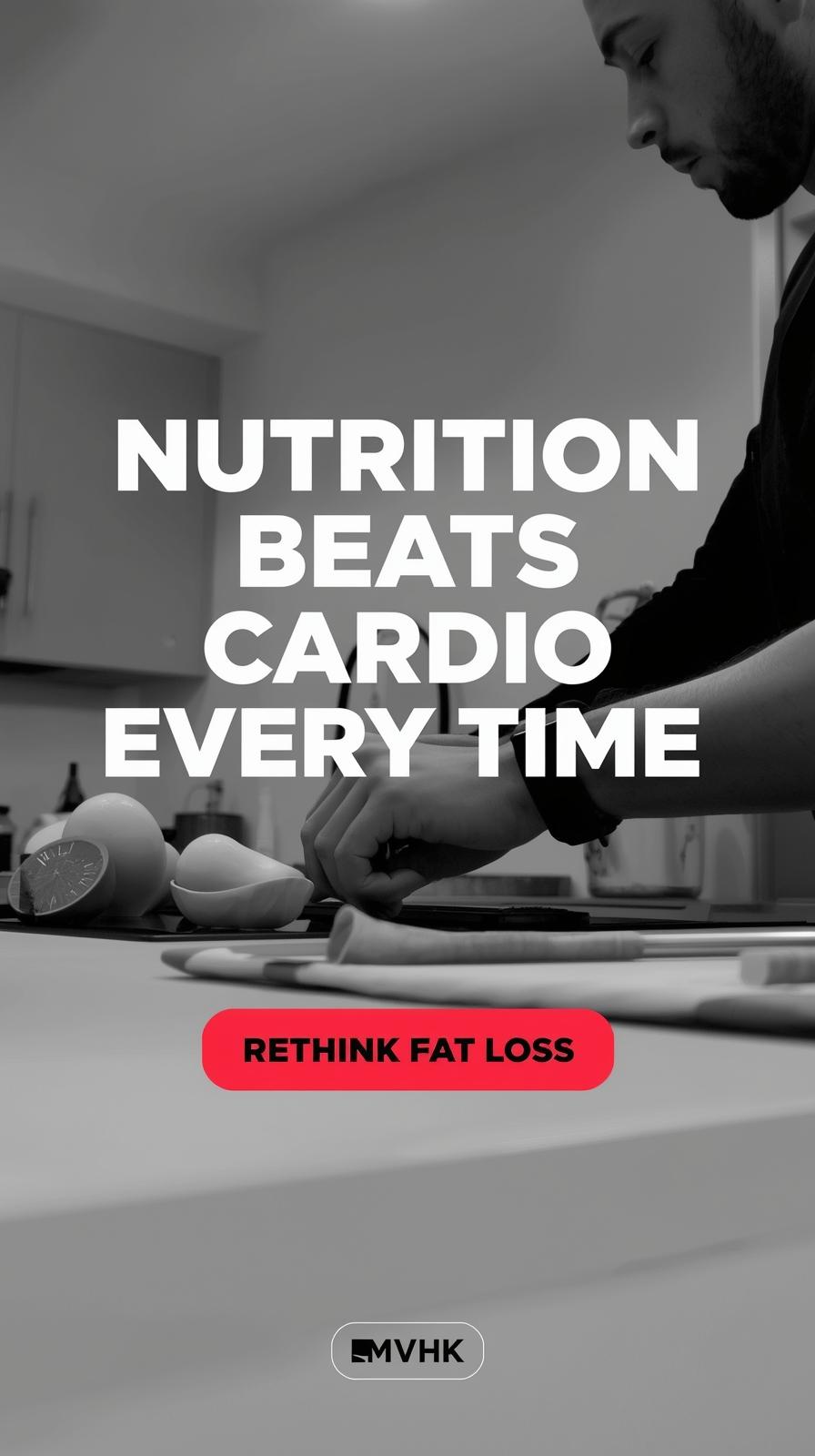
Still thinking hours of cardio is the golden ticket to weight loss? Let’s reset that mindset. To lose one pound of fat, you need a 3,500-calorie deficit. That’s seven full hours of cardio—or just 30 seconds of controlled eating each day. Sounds too good to be true? It’s not. The science is simple, but the strategy is smarter in 2026. Welcome to precision nutrition, where biometric data and intentional choices make nutrition your most powerful fat-loss tool.
This article breaks down how nutrition trumps cardio, how to implement it practically, and why the smartest fat loss plans in 2026 start in the kitchen, not the gym.
🎯 The Science Behind Nutrition-Driven Fat Loss
What is a Caloric Deficit — Really?
A pound of fat is roughly equal to 3,500 calories. To lose that in a week, you need a 500-calorie deficit per day. You could burn it through exercise—or reduce your intake slightly through better food decisions.
Cardio vs. Caloric Control
Cardio burns around 400–600 calories/hour depending on intensity. That’s a lot of time on the treadmill. In contrast, skipping one large latte and choosing whole food meals can produce the same result with far less effort and time.
Why Nutrition Is More Reliable
- Predictable: You can track calories in; calories burned through exercise vary wildly.
- Sustainable: You can eat smarter daily; most people can’t train for 7 hours weekly.
- Efficient: Eating is something you already do—make it smarter, not harder.
Biometric Feedback Takes It to the Next Level
New tech (like CGMs and metabolic wearables) shows you exactly how food affects your blood sugar, metabolism, and hunger patterns. That means you’re not just eating less—you’re eating smarter.
“You can’t outrun your fork.” — Dr. Eric Helms, PhD, Sport Nutritionist
💪 Implementation Guide
Getting Started: Tiny Wins > Big Overhauls
Start with one of these:
- Swap ultra-processed snacks for whole foods
- Pre-plan dinner macros
- Cut sugary drinks
- Use a food log app like MyFitnessPal or Lumen
Create a Personal Deficit Strategy
Use a TDEE calculator + wearable tracker to know your daily burn. From there:
- Subtract 500 calories via food choices
- Or combine a 250-calorie cut + 250-calorie burn for flexibility
Food Tracking Tips
- Don’t obsess. Track 4 days/week for awareness
- Use portion estimation (hand method, plate method)
- Biometrics > macros: how food affects your body is what matters
Common Mistakes to Avoid
- Relying solely on cardio to create a deficit
- Ignoring liquid calories (alcohol, juice, creamers)
- Overcorrecting: massive calorie cuts lead to burnout
- Not enough protein: essential for satiety and muscle retention
🚀 Advanced Techniques
Personalization Through Biometric Tools
- Use Continuous Glucose Monitors (CGMs) to identify blood sugar spikes
- Try Lumen or Levels to track real-time metabolic data
- Sync with apps like Cronometer for nutrient precision
Tech-Supported Fat Loss
- Smart scales with body comp tracking (Renpho, Withings)
- AI-based meal planners
- Real-time macro suggestions based on wearables
Sustainable Nutrition Strategies
- 80/20 Rule: 80% whole foods, 20% flexibility
- Weekly prep + on-demand healthy delivery (e.g., Trifecta, Thistle)
- Build habits: Hydration triggers, meal timing consistency, and mindful eating
📊 Results & Success Stories
Case Study 1:
Dani, 38, Busy Project Manager
Lost 12 lbs in 8 weeks by dropping her daily Starbucks + managing lunch portions. No cardio added.
Case Study 2:
James, 52, Remote Worker
Swapped nighttime snacking for protein-rich Greek yogurt and walked 20 minutes daily. Lost 9 lbs in 6 weeks and reported better sleep.
Community Feedback:
- “Tracking food for 5 minutes a day changed my life.”
- “I realized how much I was drinking my calories.”
- “Once I saw how food affected my energy, I never went back.”
Measurable Outcomes
- Better body composition
- Improved metabolic markers (glucose, triglycerides)
- Lowered resting heart rate due to weight loss
🎯 Action Plan: Start Today
Week 1–2: Build Awareness
- Log meals
- Use wearable or app to track food vs. output
- Identify top 3 high-calorie habits
Week 3–4: Build Control
- Swap high-calorie foods for whole-food options
- Set a 500-calorie daily deficit
- Add light walking or movement daily
Month 2+: Maintain with Intelligence
- Use biometrics to guide portions
- Create repeatable meal patterns
- Refeed 1x/week to avoid metabolic slowdown
✅ FAQ Section
Does nutrition matter more than cardio for fat loss?
Yes. Nutrition creates a consistent and predictable calorie deficit. Cardio supports fat loss, but without proper eating, results stall.
Can I lose weight just by adjusting food?
Absolutely. A 500-calorie daily cut through diet alone can lead to 1lb fat loss weekly without extra exercise.
How do I calculate my calorie needs?
Use a TDEE calculator online. Subtract 500 calories daily to create a safe deficit. Track results and adjust monthly.
How soon will I see fat loss results?
Most people notice changes in 2–3 weeks with consistent nutrition-focused strategies, especially when paired with hydration and movement.
Is it safe to lose weight through diet alone?
Yes, as long as you’re getting essential nutrients, fiber, and adequate protein. Work with a registered dietitian if unsure.