How to Naturally Boost Lymphatic Drainage
💡 Key Takeaways
- The lymphatic system removes metabolic waste, supports immunity, and regulates inflammation.
- Movement, breathing mechanics, and hydration strongly influence lymph flow.
- Simple practices like rebounding, deep breathing, and dry brushing stimulate lymph circulation.
- Supporting lymph flow may help improve inflammation control and metabolic health.
Introduction
Your cardiovascular system has a pump — the heart.
Your lymphatic system does not.
Instead, lymph circulation depends almost entirely on movement, muscle contraction, and breathing mechanics. When those inputs disappear, lymph flow slows dramatically.
Modern lifestyles create the perfect conditions for stagnation: prolonged sitting, shallow breathing, restrictive clothing, and poor hydration.
The lymphatic system plays a central role in immune surveillance, inflammatory regulation, and cellular waste removal. Impaired lymph flow has been associated with fluid retention, slower immune responses, and chronic inflammation.
From a longevity perspective, maintaining efficient lymph circulation supports inflammation control, a key driver of healthy aging.
Fortunately, the lymphatic system responds quickly to mechanical stimulation. A few targeted daily habits can significantly increase lymph movement and improve drainage.
What Is the Science Behind Lymphatic Drainage?
The lymphatic system is a network of vessels, nodes, and ducts that transport lymph fluid, which contains immune cells, proteins, fats, and metabolic waste.
Unlike blood circulation, lymph flow is driven primarily by:
- skeletal muscle contraction
- breathing pressure changes
- body movement
- manual stimulation
Muscle Contractions Drive Lymph Movement (Evidence-supported)
Every time muscles contract, they compress nearby lymph vessels.
This pressure pushes lymph fluid forward through one-way valves, preventing backflow.
Research published in The Journal of Physiology shows that regular physical movement significantly increases lymph circulation and immune cell transport.
This is why inactivity is strongly associated with lymph stagnation.
Breathing Mechanics Pump Lymph (Evidence-supported)
The thoracic duct is the largest lymph vessel in the body and drains most lymph fluid back into circulation.
Deep breathing creates pressure changes in the chest cavity that help push lymph through this duct.
Slow diaphragmatic breathing acts as a mechanical pump, increasing lymph movement and improving circulation.
Hydration Affects Lymph Viscosity (Hypothesis-supported)
Lymph is composed largely of water. Dehydration can increase fluid viscosity, potentially slowing lymph transport.
Adequate hydration supports smoother flow through lymph vessels.
Inflammation and Lymph Clearance (Evidence-supported)
One of the lymphatic system’s key roles is removing:
- inflammatory proteins
- cellular debris
- pathogens
Efficient lymph drainage helps regulate immune responses and prevent prolonged inflammation, a major factor in aging and metabolic disease.
How Do You Apply Lymphatic Drainage Habits Correctly?
The most effective lymph stimulation strategies are mechanical and behavioral.
Below is the practical protocol.
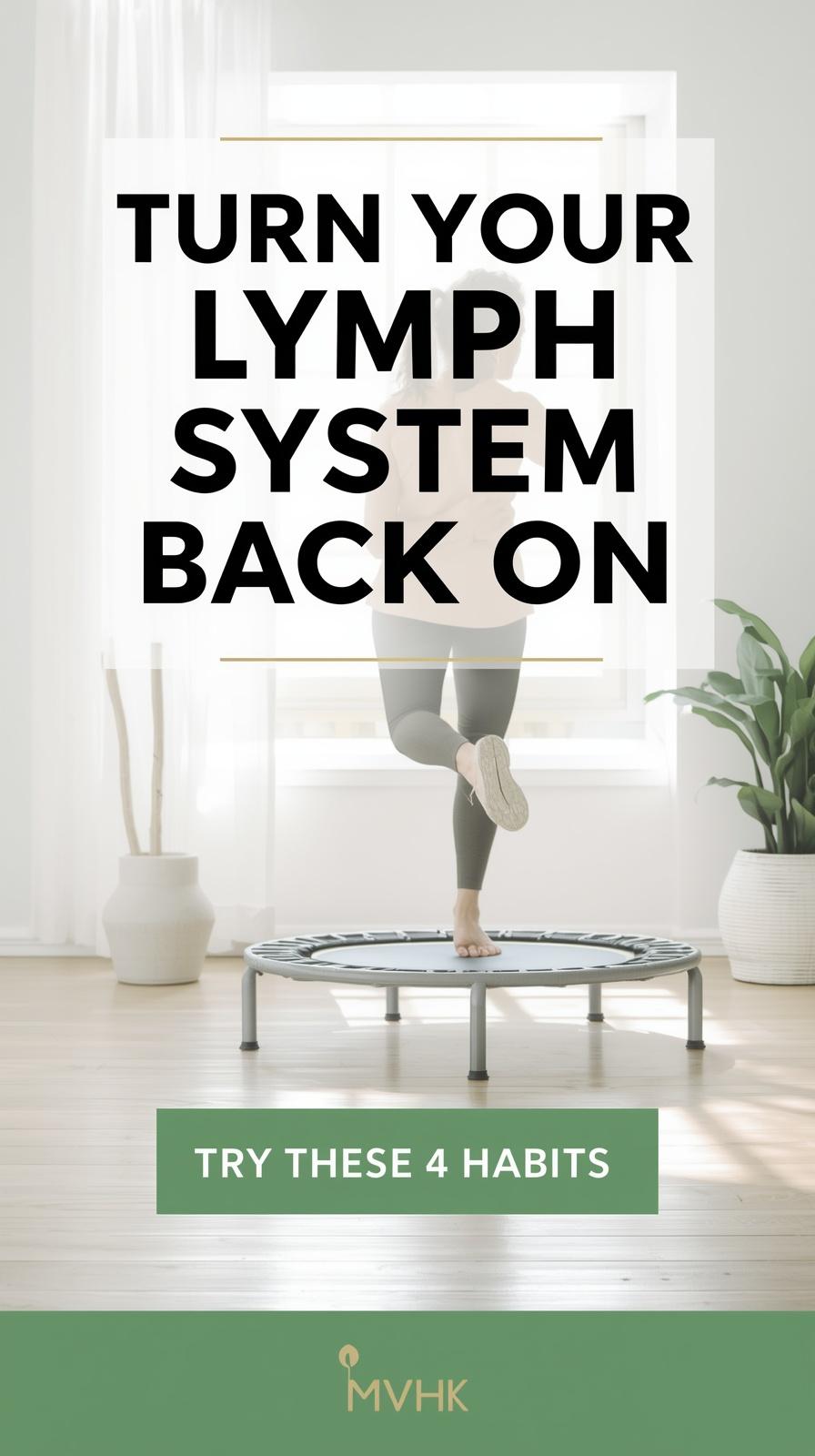
1) Rebounding
The bouncing motion can increase lymph flow by 30x normal rates.
No trampoline? Walk daily, do yoga inversions, or just take stairs instead of elevators. You need MOVEMENT.
Your muscles literally squeeze lymph like toothpaste through a tube.
2) Deep Belly Breathing
Your breath is a powerful lymph pump if you use it right:
• Inhale 4 sec
• Hold 7 sec
• Exhale 8 sec
This pushes lymph through your thoracic duct, your main drainage highway.
3) Dry Brushing
Before showering, brush your dry skin toward your heart with natural bristles. This manually stimulates thousands of lymph capillaries under your skin.
Sounds weird, but works incredibly well.
Five minutes of brushing can unstick days of stagnation.
4) Hydrating
Most people are chronically dehydrated and don’t know it.
Thick lymph moves like molasses. So:
• Add lemon to your water (it naturally thins lymph).
• Drink ginger or dandelion tea.
• Avoid alcohol & excess caffeine (they dehydrate and add more toxins)
Week 1 → Week 4 Implementation
Week 1
Focus on hydration and daily walking.
Week 2
Add 5 minutes of dry brushing before showers.
Week 3
Introduce deep belly breathing sessions twice per day.
Week 4
Add rebounding or short bursts of jumping movement.
What Advanced Strategies Improve Results?
Several advanced practices can amplify lymphatic stimulation.
Sauna Therapy
Sauna use increases circulation and sweating, which supports metabolic waste removal and lymph movement.
Research published in JAMA Internal Medicine links regular sauna use with lower cardiovascular risk.
Compression Recovery
Compression garments and boots can mechanically stimulate lymph return from the lower limbs.
These are often used in athletic recovery and medical lymphedema therapy.
Wearable Tracking
Devices that monitor HRV and recovery can help identify stress patterns that impair circulation and lymph function.
Improving sleep and stress resilience indirectly supports lymph health.
Anti-Inflammatory Nutrition
Dietary patterns rich in:
- polyphenols
- omega-3 fatty acids
- fiber
support immune regulation and reduce inflammatory burden on the lymphatic system.
What Results Can You Realistically Expect?
Lymphatic stimulation produces gradual benefits rather than immediate dramatic changes.
Typical improvements reported include:
Short Term (1–3 weeks)
- reduced fluid retention
- improved circulation
- better breathing mechanics
Medium Term (2–3 months)
- improved energy levels
- improved exercise recovery
- better immune resilience
Long Term (6–12 months)
- improved inflammatory balance
- better metabolic health markers
- improved cardiovascular resilience
Anti-Hype Reality
The lymphatic system is not a magic detox pathway.
Your liver and kidneys perform the primary detoxification processes.
However, lymph circulation supports waste transport and immune function, making movement and hydration important for overall health.
4-Week Practical Action Plan
Daily Core Routine
Morning
Dry brushing before shower.
Midday
Movement break every hour.
Evening
Deep breathing session.
Hydration goal
Consistent fluid intake throughout the day.
Weekly habit additions:
Week 1 → Hydration and walking
Week 2 → Dry brushing routine
Week 3 → Deep breathing practice
Week 4 → Rebounding or jumping movement
These habits support lymph circulation and help regulate inflammation and immune function.
Frequently Asked Questions
Does dry brushing really stimulate lymph flow?
Dry brushing may stimulate superficial lymph vessels and increase skin circulation. Evidence is limited but the mechanical stimulation likely promotes local fluid movement.
Is rebounding necessary for lymph health?
No. Any regular movement that activates muscles can stimulate lymph flow, including walking, strength training, or yoga.
Can tight clothing restrict lymph flow?
Very tight garments may temporarily compress lymph vessels, particularly around the groin or armpits where major lymph nodes are located.
How much water supports lymph flow?
Hydration needs vary, but consistent fluid intake throughout the day helps maintain normal lymph fluid balance.
Is lymph drainage the same as detox?
Not exactly. The liver and kidneys perform detoxification. The lymphatic system helps transport waste and immune cells through the body.
References
- PubMed – Lymphatic circulation and immune function
- Nature Reviews Immunology – Lymphatic system biology
- Cell – Immune cell transport in lymphatics
- Lancet – Inflammation and aging
- NEJM – Immune surveillance and lymphatic networks
- JAMA Internal Medicine – Sauna use and cardiovascular health