How to Lose Fat Without Cardio: The Science-Backed 4-Step Strategy
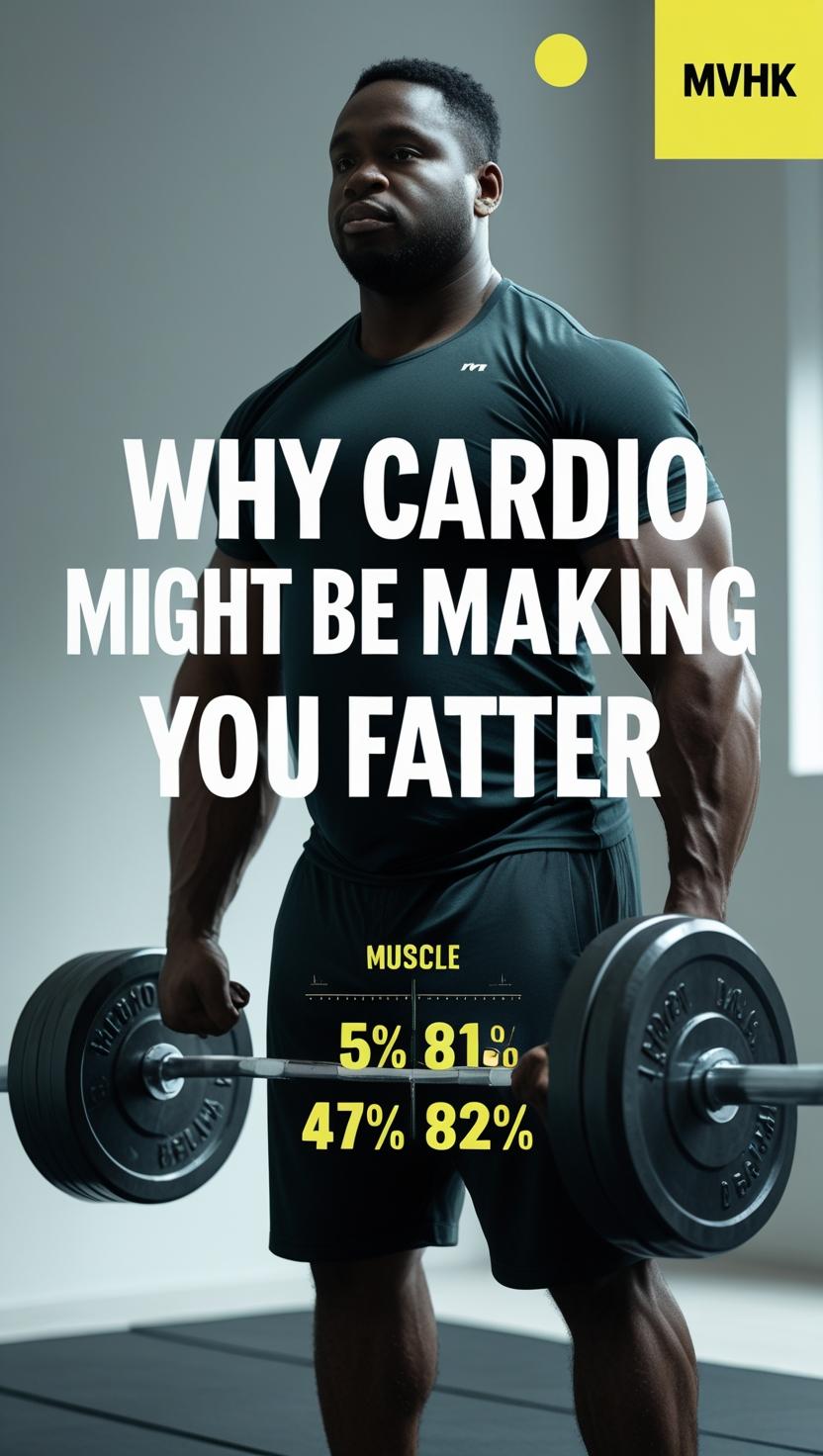
If you’ve been pounding the pavement or grinding out endless treadmill sessions hoping to lose fat, you’re not alone. But here’s a reality check: unstrategic cardio might be silently sabotaging your results.
Cardio is often seen as the default fat loss tool — and while it can help in moderation, using it incorrectly might actually lead to increased hunger, muscle loss, and metabolic slowdown. In this article, we’ll explore why that happens and how to replace it with a proven four-step protocol that helps you drop fat, build muscle, and feel more energized — no treadmill required.
🎯 The Science Behind Sustainable Fat Loss
Latest Research
Recent studies challenge the old “cardio first” model. A 2023 meta-analysis published in Sports Medicine found that resistance training has comparable — and in some cases superior — effects on fat loss when combined with a moderate calorie deficit compared to cardio alone. Furthermore, cardio alone can increase appetite-regulating hormones like ghrelin, making it harder to sustain a deficit.
Mechanisms
Here’s how unstrategic cardio backfires:
- Glycogen depletion during cardio triggers ghrelin, the hunger hormone, increasing cravings and leading to overcompensation in calories.
- Muscle catabolism occurs when cardio is done excessively or while dieting, slowing metabolism long-term.
- Cardio adaptation means your body becomes efficient, burning fewer calories for the same output.
- Elevated cortisol from chronic cardio raises belly fat storage and disrupts hormones.
Expert Opinions
Dr. Stacy Sims, PhD in Exercise Physiology and Nutrition, warns: “Excessive cardio in a caloric deficit compromises lean mass and creates a hormonal environment that resists fat loss.” Instead, she advocates for strength training and controlled insulin response.
💪 Implementation Guide
Getting Started
The key to fat loss without cardio lies in these four pillars:
- Calorie Deficit
Start small. A 250–500 calorie daily deficit is enough. Use apps or portion control to ensure consistency without extreme restriction. - Control Insulin Levels
Insulin is your fat storage hormone. When it’s elevated, fat burning shuts off. Strategies include:- Prioritize protein, fiber, and healthy fats
- Avoid refined carbs, sugary snacks, and frequent snacking
- Consider time-restricted eating (like 10–12 hour windows)
- Lift Weights 3–4x/Week
Build lean muscle to raise basal metabolic rate (BMR). Focus on:- Compound movements (deadlifts, squats, presses)
- Progressive overload (adding weight over time)
- Rest and recovery between sets
- Increase Steps, Not Stress
Walking boosts NEAT (non-exercise activity thermogenesis), improves insulin sensitivity, and supports fat loss with no added stress.
Target: 5,000–8,000 steps daily to start.
Progression Strategies
After 2–3 weeks:
- Tighten nutrition by tracking macros
- Add an extra training day or volume
- Increase walking target to 10,000+ steps
Common Mistakes
- Doing both intense cardio and strength while dieting
- Eating too little protein
- Ignoring stress and sleep quality
- Being impatient (expecting results in 1–2 weeks)
🚀 Advanced Techniques
Personalization
Tailor your macros using TDEE calculators and adjust based on body composition goals. Female? Adjust for hormonal fluctuations.
Technology Integration
Use wearables like WHOOP or Oura Ring to track recovery and stress. Use apps like Cronometer or MacroFactor to dial in nutrition.
Sustainability
Fat loss should feel challenging — not miserable. Use diet breaks, refeed meals, and flexible nutrition to stay consistent long-term.
📊 Results & Success Stories
Case Studies
- Mark, 38, lost 25 lbs in 10 weeks by ditching HIIT and walking daily while lifting 4x/week.
- Erica, 42, lost 18 lbs by controlling insulin with low-glycemic meals and lifting heavy twice a week.
Measurable Outcomes
- Average fat loss: 1–2 lbs/week with this protocol
- Improved energy, muscle tone, insulin sensitivity in 4–6 weeks
Community Feedback
On Reddit and fitness forums, users who abandoned traditional cardio often report better long-term results, higher energy, and fewer injuries.
🎯 Action Plan: Start Today
Week 1–2: Foundation
- Create a mild deficit (250–300 kcal/day)
- Walk 5,000 steps/day
- Lift 2x/week using compound exercises
- Eat high-protein, low-glycemic meals
Week 3–4: Progression
- Add a 3rd lifting session
- Walk 7,000–10,000 steps/day
- Track macros with a simple app
- Introduce intermittent fasting (if it suits you)
Long-term Maintenance
- Shift focus from fat loss to body recomposition
- Stay consistent with strength training
- Use walking as your default cardio
- Periodically reassess your intake and goals
FAQ Section
Can I really lose fat without cardio?
Absolutely. Strength training and proper nutrition are more effective and sustainable long term than cardio alone.
Why does cardio make me hungrier?
Unstrategic cardio depletes glycogen, triggering ghrelin release (your hunger hormone), often leading to overeating.
What’s the first step to start this plan?
Begin with a small calorie deficit, prioritize protein, and lift weights 2–3x a week. Add walking daily.
How soon will I see results?
Most people notice improved energy and slight fat loss in 2–3 weeks. Visible body changes typically appear in 6–8 weeks.
Is this safe for older adults?
Yes. Resistance training and walking are ideal for people over 40. Always consult your doctor before making big changes.