Health Capital: Why Your Body Is the Highest-ROI Investment After 40
💡 Key Takeaways
- Health capital is a measurable economic asset with compounding returns.
- Your weakest form of capital often determines overall life satisfaction.
- Investing in physical and mental health outperforms financial assets after midlife.
- Longevity science now quantifies the ROI of lifestyle interventions.
- The smartest strategy is reinvesting where you’ve neglected the most.
Introduction
What if the most valuable investment you’ll ever make isn’t in stocks, real estate, or even education—but in your own body?
In modern society, economic capital dominates decision-making. Careers, income, and assets are tracked obsessively, while other forms of capital quietly erode. Cultural capital like learning slows. Social capital weakens as relationships are postponed. Symbolic capital—reputation and trust—can be damaged in an instant. And health capital? Often ignored until it starts failing.
The concept of health capital is not new. In 1972, economist Michael Grossman formalized health as an economic asset—one that depreciates with age but can be actively maintained through investment. Today, longevity science confirms his insight with biological data, wearables, and population studies.
For adults entering their 40s, health is increasingly the limiting factor—not ambition or intelligence. This article explains why health capital is the highest-return investment after midlife, how it works biologically and economically, and how to rebuild it systematically.
What Is the Science Behind Health Capital?
Health capital is the stock of physical and mental capacity that determines productivity, resilience, and lifespan.
Grossman’s model framed health as both a consumption good (it feels good to be healthy) and an investment good (it enables work, learning, and enjoyment). Modern research has expanded this model at the cellular level.
Biological Mechanisms
Health capital is stored in:
- Mitochondrial efficiency (energy production)
- Inflammatory load (chronic disease risk)
- Metabolic flexibility (glucose and fat usage)
- Cognitive reserve (brain resilience)
- Musculoskeletal integrity (mobility and independence)
Studies in Nature Aging (2024) show that lifestyle-driven improvements in VO₂ max, muscle mass, and insulin sensitivity reduce all-cause mortality more than many pharmaceutical interventions. PubMed-indexed trials consistently demonstrate that exercise, sleep optimization, and nutrition slow biological aging markers such as epigenetic clocks.
Psychological & Social Spillover
Health capital amplifies other capitals:
- Better health → stronger social relationships
- Higher energy → more learning (cultural capital)
- Consistency → better reputation (symbolic capital)
- Longevity → higher lifetime earnings (economic capital)
In other words, health is the multiplier.
How Do You Implement Health Capital Properly?
You build health capital by investing daily in behaviors that slow biological depreciation and increase physiological reserve.
Step-by-Step Foundation
- Physical health
- Strength training 2–4x/week
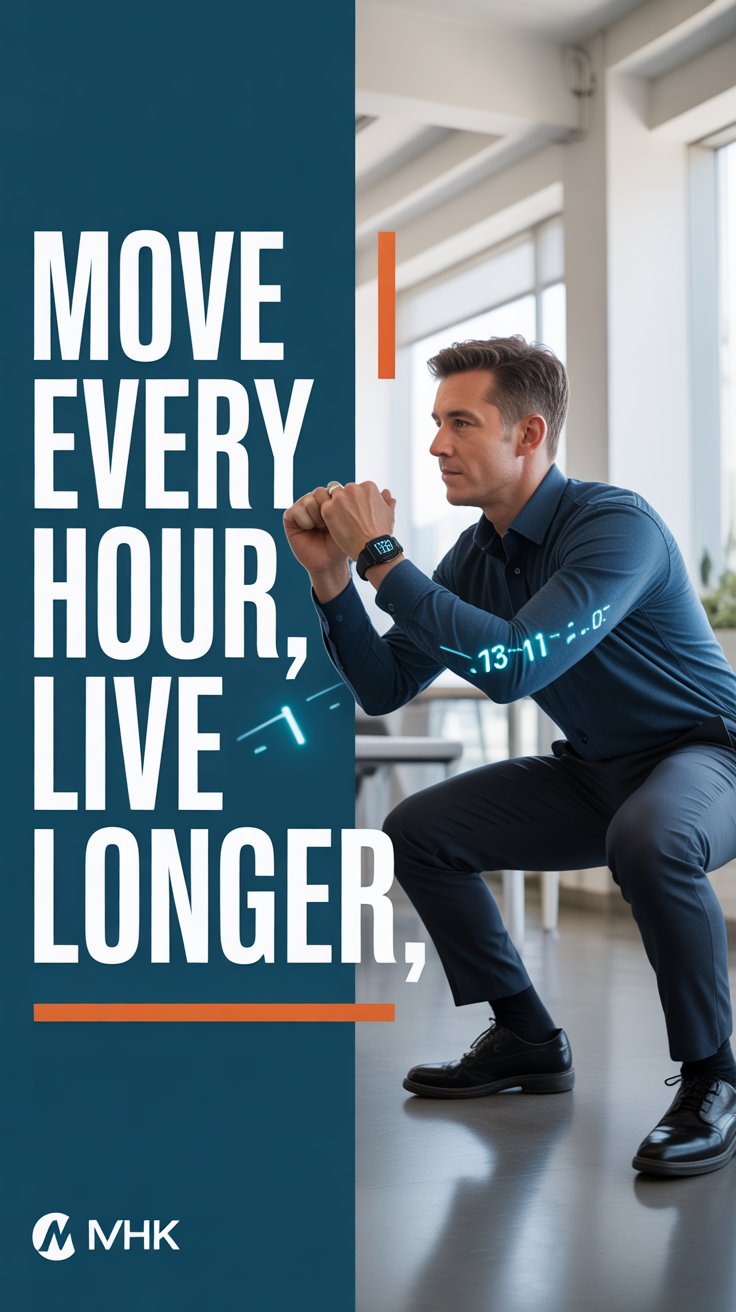
- Daily walking (8,000–10,000 steps)
- Protein intake ≥1.6 g/kg bodyweight
- Mental health
- Sleep 7–9 hours
- Stress regulation (breathing, meditation)
- Digital boundaries
- Preventive strategy
- Annual blood panels
- Body composition tracking
- Cardiovascular fitness testing
4-Week Scaling Model
- Week 1: Baseline assessment, sleep and steps
- Week 2: Add resistance training
- Week 3: Nutrition optimization
- Week 4: Stress and recovery protocols
Common Mistakes
- Overtraining instead of consistency
- Ignoring sleep
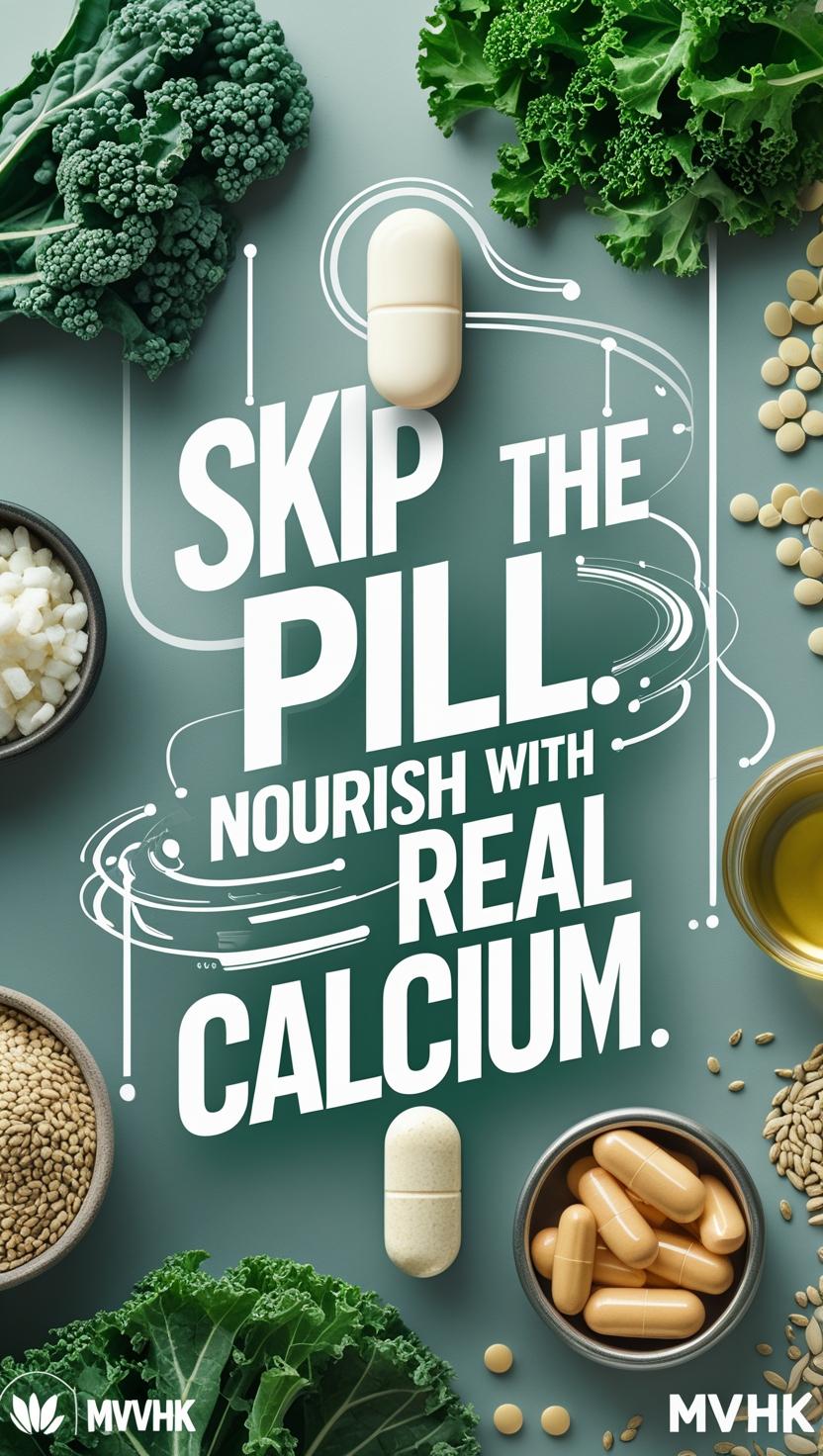
- Chasing supplements before fundamentals
What Advanced Techniques Maximize Results?
Advanced health capital strategies stack biology, technology, and personalization.
- Biohack stacking: Strength + zone 2 cardio + time-restricted eating
- Personalization: Hormone-aware training after 40
- Technology: Wearables tracking HRV, sleep, glucose
Longevity experts increasingly emphasize minimum effective dose over extremes.
What Are the Real-World Results?
People who reinvest in health capital report measurable gains within 90 days.
- Increased energy and productivity
- Reduced chronic pain
- Improved biomarkers (HbA1c, CRP)
- Stronger relationships and mood
Population data shows that individuals with high cardiorespiratory fitness in midlife live 5–10 years longer with higher quality of life.
Action Plan: Your 4-Week Health Capital Reset
- Week 1: Measure, walk, sleep
- Week 2: Strength training
- Week 3: Nutrition precision
- Week 4: Stress mastery & review
Consistency beats intensity.
Frequently Asked Questions
Is health capital really measurable?
Yes. VO₂ max, muscle mass, metabolic markers, and biological age all quantify health capital with high reliability.
Why does health matter more after 40?
Because biological depreciation accelerates, making returns on health investments exponentially higher.
Can money replace health?
No. Economic capital cannot compensate for poor health beyond a certain threshold.
How fast can health capital improve?
Noticeable gains occur within 4–12 weeks; compounding benefits accrue over years.
Is it ever too late?
No. Studies show improvements even when starting in the 60s.