Genetic Detox Capacity and Innate Immune Resilience
💡 Key Takeaways
- Your response to toxins depends on genetic detox pathways and immune strength.
- Variability in glutathione production and innate immunity drives symptom differences.
- Mitochondrial health and inflammation control determine resilience.
- Strengthening detox systems is possible — but requires precision, not fads.
Exposure alone does not determine outcome. Biological capacity does. The idea popularized by Gary Brecka — that the same substance affects people differently — is directionally correct, but the explanation requires scientific nuance.
Mercury, viral reactivation, mold toxins, and inflammatory triggers don’t act in isolation. The determining factor is your genetic detox capacity and the strength of your innate immune system.
Longevity is not about avoiding every toxin. It’s about increasing your biological margin of safety.
What Is the Science Behind Genetic Detox Capacity?
Detox capacity is determined by liver enzymes, antioxidant systems, and immune surveillance.
1. Glutathione System (Evidence-supported)
Glutathione is the master intracellular antioxidant. It binds heavy metals like mercury and facilitates elimination.
Variants in genes such as:
- GSTM1
- GSTT1
- GCLC
can reduce glutathione production efficiency (PubMed).
Low glutathione → higher oxidative stress → mitochondrial damage → cognitive symptoms.
2. Innate Immune Regulation (Evidence-supported)
Your innate immune system is the first responder. It identifies pathogens and clears damaged cells.
When dysregulated:
- Inflammatory cytokines increase
- Blood–brain barrier permeability rises
- Viral reactivation risk increases
Epstein-Barr Virus (EBV) remains latent in most adults. Reactivation under immune suppression is well documented (Nature, Lancet). However, the claim that “40% of DNA is viral” is inaccurate — endogenous retroviral sequences account for ~8% of human DNA (Nature Reviews Genetics).
3. Mitochondrial Vulnerability (Evidence-supported)
Toxins impair mitochondria directly.
Mercury:
- Binds sulfhydryl groups
- Disrupts electron transport chain
- Increases ROS production
Mitochondrial dysfunction is strongly associated with brain fog and fatigue (Cell).
4. Insulin Sensitivity & Inflammation (Evidence-supported)
Chronic inflammation reduces detox efficiency. Insulin resistance increases oxidative load and reduces immune precision.
Metabolic flexibility directly influences resilience.
How Do You Apply Genetic Detox Optimization Correctly?
You optimize detox by strengthening systems — not by “flushing” toxins.
Week 1: Reduce Inflammatory Load
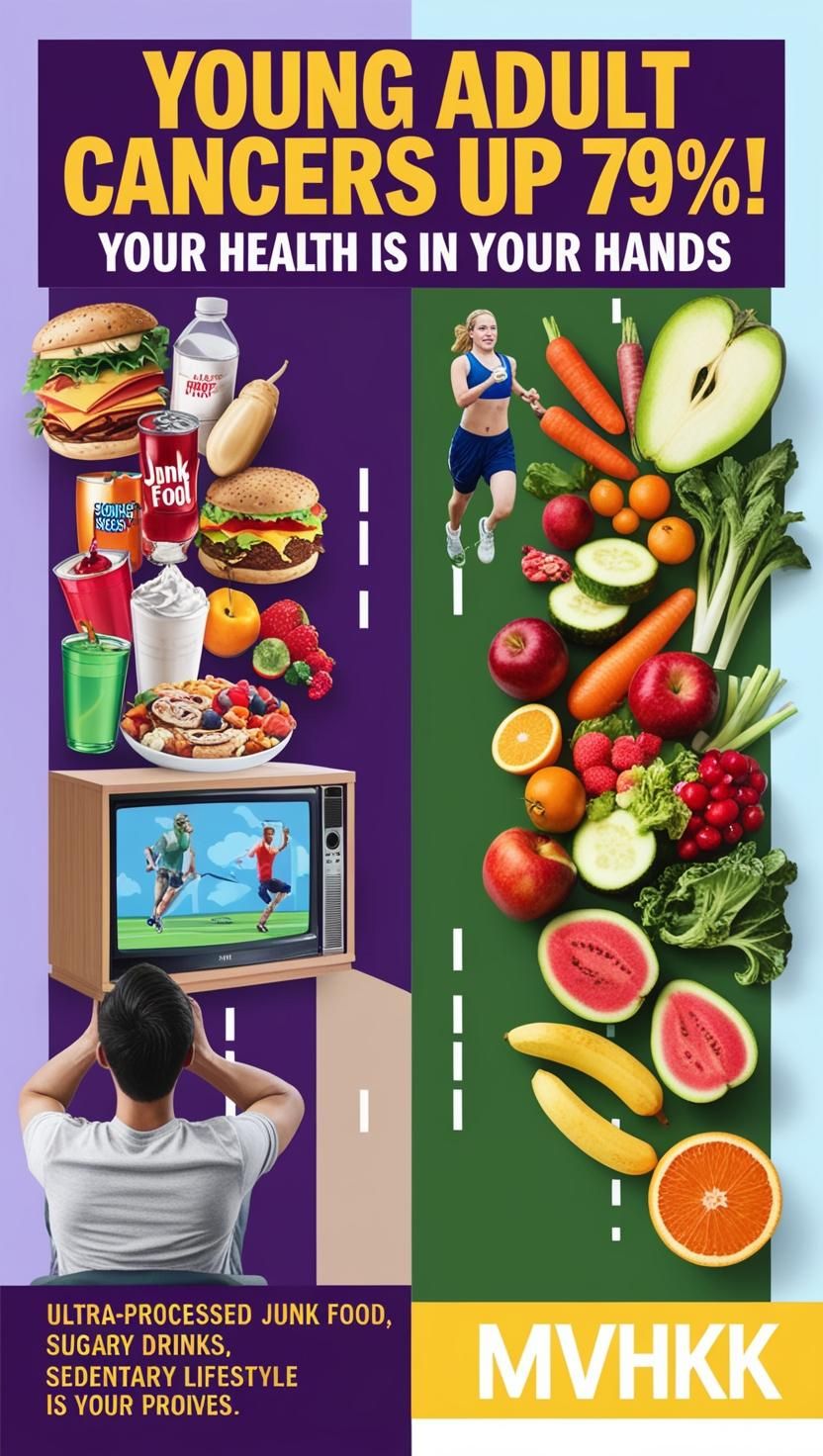
- Eliminate ultra-processed foods
- Prioritize protein (0.7–1g per lb lean mass)
- 8–10k daily steps
- 7–8 hours sleep
Goal: Lower systemic inflammation.
Week 2: Increase Glutathione Production
- 30–40g protein per meal
- Cruciferous vegetables daily (broccoli, arugula)
- 500–1000mg NAC (if medically appropriate)
- Selenium from food (Brazil nuts 1–2x weekly)
NAC and sulfur donors increase glutathione synthesis (PubMed).
Week 3: Improve Mitochondrial Function
- Zone 2 cardio (30 minutes, 3–4x weekly)
- Resistance training 3x weekly
- Morning light exposure
VO2max is one of the strongest predictors of longevity (JAMA).
Week 4: Immune Calibration
- 12–14 hour overnight fasting window
- Vitamin D optimization (test levels)
- Stress modulation (breathing protocols)
Safety note:
Avoid aggressive chelation without documented heavy metal toxicity (NEJM). Improper chelation can redistribute metals and cause harm.
What Advanced Strategies Improve Results?
Advanced optimization includes:
Biomarker Tracking
- hs-CRP (inflammation)
- Fasting insulin
- GGT (glutathione proxy marker)
- Vitamin D levels
Genetic Testing
Look for:
- GST deletions
- MTHFR polymorphisms
Interpretation must be contextual. A variant is not destiny.
Wearables
HRV (heart rate variability) reflects autonomic and immune balance. Chronically low HRV correlates with inflammation.
Stacking Strategy
- Resistance training + protein → muscle preservation
- Zone 2 + fasting → metabolic flexibility
- Cruciferous intake + NAC → glutathione support
For deeper metabolic groundwork, see:
- https://everstayyoung.com/metabolic-flexibility-guide
- https://everstayyoung.com/zone-2-longevity
- https://everstayyoung.com/glutathione-optimization
What Results Can You Realistically Expect?
Within 2–4 weeks:
- Improved mental clarity
- More stable energy
- Reduced inflammatory markers
Within 8–12 weeks:
- Better insulin sensitivity
- Improved HRV
- Higher aerobic capacity
Anti-hype reality:
Detox is not a dramatic purge. It is gradual improvement in resilience.
Some individuals with confirmed toxicity may require medical intervention. Optimization is not treatment for acute poisoning.
4-Week Practical Action Plan
Week 1
- Remove processed foods
- Sleep 7.5 hours
- Walk daily
Week 2
- Add cruciferous vegetables
- Increase protein
- Consider NAC
Week 3
- Begin structured Zone 2 training
- Add 3 resistance sessions
Week 4
- Test Vitamin D
- Monitor fasting insulin
- Evaluate energy and cognition
Focus on system strength, not symptom chasing.
Frequently Asked Questions
1. Is mercury in tuna always dangerous?
Dose and frequency matter. Occasional consumption is typically safe for most adults, but high intake increases risk. Individual detox capacity influences susceptibility.
2. Does everyone have latent EBV?
Most adults carry EBV. Reactivation risk increases during immune suppression, but it does not occur in everyone.
3. Should I chelate heavy metals proactively?
No. Chelation should only occur with confirmed toxicity under medical supervision.
4. Can genetics doom my detox ability?
No. Genetic variants influence efficiency, but lifestyle significantly modifies expression.
5. What is the single biggest lever?
Improving insulin sensitivity and mitochondrial health yields the largest systemic resilience gains.
References
- PubMed: Glutathione and heavy metal detoxification
- Nature Reviews Genetics: Endogenous retroviruses in human genome
- Cell: Mitochondrial dysfunction and aging
- NEJM: Chelation therapy risks
- Lancet: Viral latency and immune control