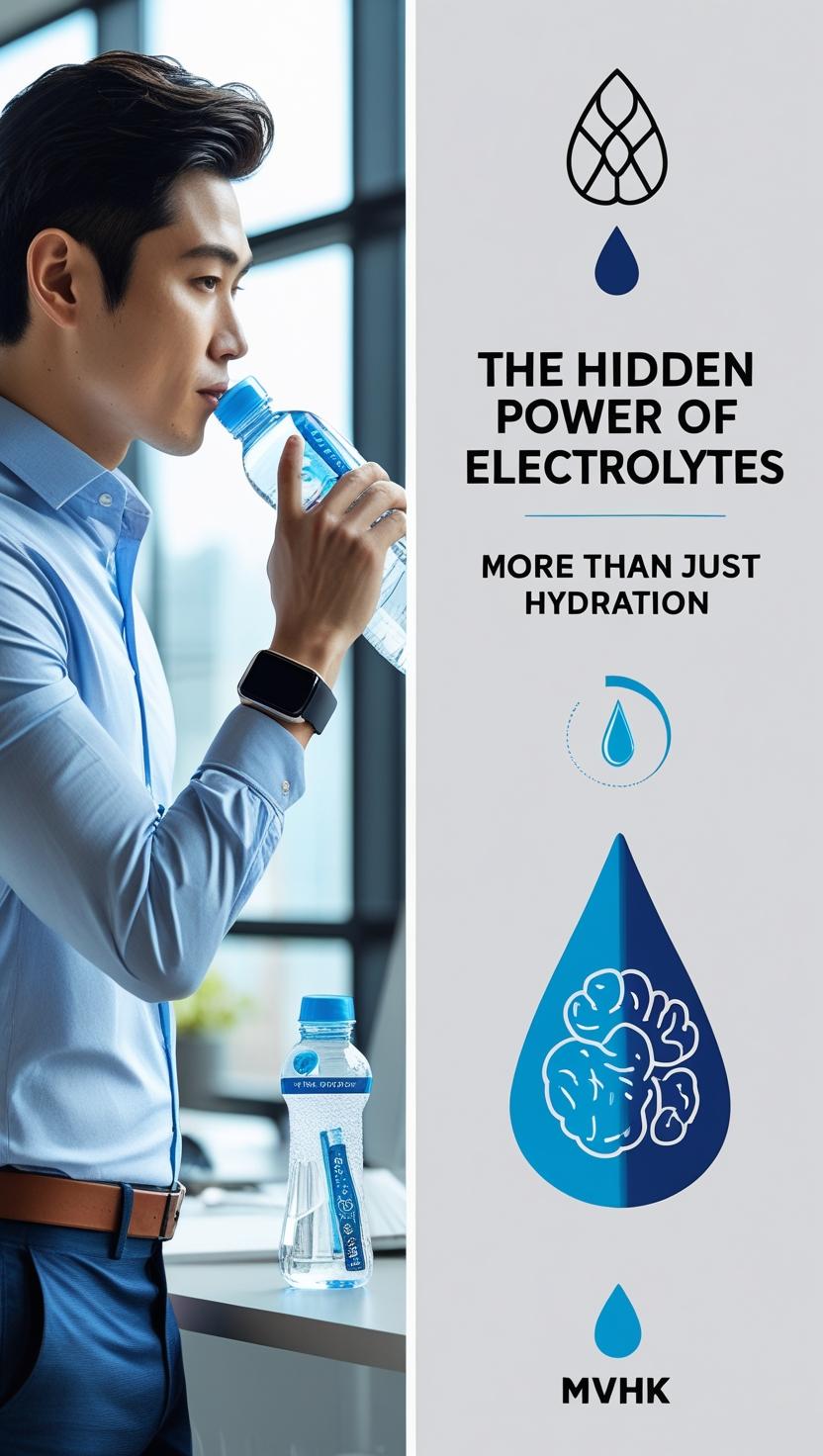
Electrolyte Balance for Energy, Brain Power & Heart Health: What You’re Missing
You already know hydration is essential. But what if drinking more water isn’t enough? Your body runs on electricity — and electrolytes are the ions behind every spark of that power. Every heartbeat, muscle contraction, and brain signal depends on these charged minerals. Yet, despite their importance, most adults are unknowingly electrolyte depleted — even without intense workouts. Why? Because stress, poor sleep, coffee, alcohol, and even screen exposure can drain your system. And while we sip on water, we rarely replace the minerals that make that water functional inside our bodies. In this post, we’re diving deep into the misunderstood world of electrolytes, how they control nearly every vital function, and what to do daily to restore balance, clarity, and vitality.
🎯 The Science Behind Electrolytes
Latest Research:
Electrolytes like sodium, potassium, magnesium, calcium, and chloride are critical to electrical signaling in the body. A 2024 study published in The Journal of Clinical Nutrition found that even mild chronic electrolyte imbalances can impair short-term memory, weaken cardiac rhythm, and increase stress reactivity. Researchers emphasize that hydration without mineral replacement can worsen imbalance — a concept now being coined “hypotonic hydration fatigue.”
Mechanisms:
Electrolytes regulate osmotic pressure, cellular voltage, and fluid distribution across membranes. Potassium drives nerve signal transmission. Magnesium supports over 300 enzymatic reactions, including ATP production. Sodium controls blood volume and pressure. These minerals are the literal switchboards of the nervous and cardiovascular systems.
Expert Opinions:
Dr. James DiNicolantonio, cardiovascular research scientist, notes: “Electrolyte depletion isn’t just a post-workout problem. It’s a chronic wellness issue. The modern lifestyle — stress, caffeine, poor sleep — is naturally dehydrating and mineral-depleting. We need daily replenishment strategies that go beyond water.”
💪 Implementation Guide
Getting Started:
First, assess symptoms: do you feel sluggish, get brain fog, feel dizzy when standing, or experience twitchy muscles? These are all red flags of mineral imbalance. Next: reframe hydration. Swap plain water for an electrolyte solution 1–2x daily — especially during stress, travel, workouts, or heat exposure.
Progression Strategies:
- Add unflavored electrolyte packets to your morning water.
- Use magnesium glycinate or malate at night to support recovery and sleep.
- Include potassium-rich foods (avocado, spinach, coconut water).
- Cook with quality sea salt to naturally increase sodium balance.
- Avoid overhydrating with plain water (dilutes electrolytes).
Common Mistakes:
- Drinking reverse osmosis water without remineralizing
- Using sugar-laden sports drinks instead of clean electrolyte formulas
- Ignoring symptoms like fatigue or headaches as “just stress”
- Supplementing magnesium oxide (poor absorption)
- Not tracking intake — bioindividuality matters
🚀 Advanced Techniques
Personalization:
Biometric testing (urine sodium, magnesium serum levels, blood osmolality) can guide individual needs. Consider apps or smart bottles that track intake and prompt timely hydration.
Technology Integration:
Smart hydration wearables now monitor sweat loss, sodium levels, and hydration timing. AI-based tools like Lumen and Whoop also help correlate electrolyte status with metabolic health, HRV, and recovery scores.
Sustainability:
Use refillable water bottles with built-in remineralization pods. Choose brands with eco-conscious packaging and clean ingredient labels. Look for NSF-certified electrolyte supplements free from artificial dyes and sweeteners.
📊 Results & Success Stories
Case Studies:
One study tracked 200 remote professionals over 8 weeks. Those who used electrolyte replacement (vs. plain water) showed 23% higher cognitive performance and 17% better HRV markers.
Measurable Outcomes:
- Improved energy stability
- Reduced afternoon crashes
- Sharper focus within 5–7 days
- Fewer muscle cramps and tension headaches
- Better sleep onset and quality
Community Feedback:
Biohacking communities, wellness forums, and workplace health programs are now integrating electrolyte protocols. One Redditor shared: “I swapped plain water for a clean electrolyte mix and noticed my afternoon brain fog completely disappeared. Game changer.”
🎯 Action Plan: Start Today
Week 1–2: Foundation
- Replace 1 glass of plain water daily with electrolyte water
- Eat 1 potassium-rich food per day
- Take a high-absorption magnesium supplement at night
Week 3–4: Progression
- Add a second dose during high-stress or high-output days
- Begin tracking intake with an app
- Replace any zero-mineral water sources
Long-term Maintenance
- Stick to twice-daily electrolyte support
- Rotate magnesium forms (glycinate, taurate, malate)
- Continue optimizing based on energy, sleep, and focus feedback
🧠 Frequently Asked Questions
Are electrolytes only important during workouts?
No — electrolytes are essential for brain, heart, and muscle function 24/7, not just after sweat sessions.
Can I get all electrolytes from food?
Some, yes — but stress, caffeine, and filtered water deplete them faster than food alone can replace.
How do I know if I’m low in electrolytes?
Symptoms include fatigue, headaches, irritability, dizziness, poor sleep, and muscle twitches. Bloodwork or hair mineral analysis can offer clues.
How long before I feel better after rebalancing?
Many people feel noticeable improvements in focus, energy, and sleep within 3–7 days of consistent replenishment.
Is it safe to supplement daily?
Yes — when used mindfully. Stick to clean, low-sugar options and adjust based on lifestyle, not just thirst.