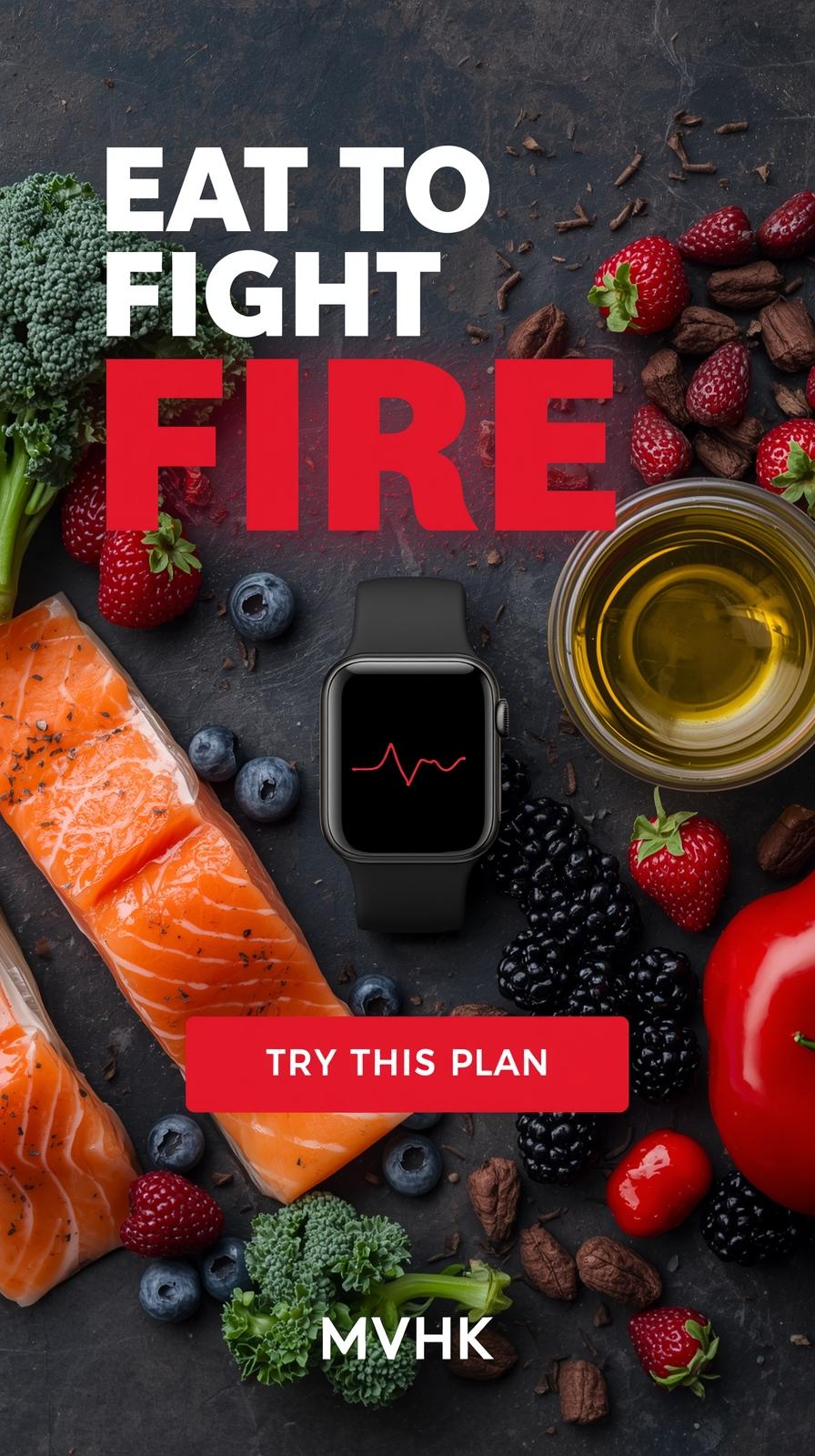
Eat to Fight Fire: Anti-Inflammatory Foods That Work
What if your dinner plate could dial down inflammation like medicine—without the side effects? Chronic inflammation is now linked to more than 50% of all deaths globally, including heart disease, cancer, and autoimmune disorders. Yet few people realize how quickly dietary changes can reduce the fire. In fact, studies show that just seven days of anti-inflammatory eating can significantly reduce biomarkers like C-reactive protein (CRP) and tumor necrosis factor-alpha (TNF-α). In this article, we’ll explore which foods lower inflammation, how to build a sustainable plan, and why it’s essential to start now.
🎯 The Science Behind Anti-Inflammatory Foods
Latest Research
In 2025, the link between diet and inflammation is clearer than ever. A meta-analysis published in Nature Reviews Immunology shows consistent evidence that diets rich in omega-3s, antioxidants, and polyphenols lower pro-inflammatory cytokines such as IL-6 and TNF-α. The Mediterranean diet, in particular, has been named one of the top anti-inflammatory eating plans globally.
Another 2025 study from Harvard Medical School found that switching from a standard Western diet to a plant-forward, anti-inflammatory model reduced CRP by over 30% in two weeks. Researchers also found that adherence to this eating style increased telomerase activity, potentially slowing cellular aging.
Mechanisms
Chronic inflammation is driven by free radicals, insulin spikes, gut dysbiosis, and oxidative stress. Anti-inflammatory foods counteract these through several pathways:
- Antioxidants neutralize free radicals (berries, leafy greens)
- Omega-3s lower cytokine production (salmon, sardines, flaxseed)
- Polyphenols inhibit inflammation at the cellular level (olive oil, turmeric)
- Fiber supports gut microbiome diversity, lowering systemic inflammation (lentils, chia seeds)
Expert Opinions
Dr. Rhonda Patrick, PhD in biomedical science, emphasizes:
“Dietary choices influence inflammatory gene expression. You are literally editing your biology with every meal.”
💪 Implementation Guide
Getting Started
Begin with the “Core Four” inflammation-fighting foods:
- Berries – Packed with anthocyanins to reduce oxidative stress
- Fatty Fish – Rich in DHA/EPA to suppress inflammatory markers
- Dark Leafy Greens – Contain folate and antioxidants like lutein
- Extra Virgin Olive Oil – Loaded with oleocanthal, a natural anti-inflammatory compound
Aim to eliminate:
- Processed sugars
- Seed oils (canola, sunflower)
- Refined carbs and red meat
Progression Strategies
Week 1:
- Swap your breakfast for an omega-3-rich smoothie (berries + flax)
- Use olive oil as your primary fat source
- Add 1 serving of dark greens daily
Week 2:
- Introduce wild-caught fish 2–3x per week
- Replace soda with green tea (EGCG fights inflammation)
- Add turmeric and ginger to meals
Week 3+:
- Incorporate intermittent fasting 1–2x per week
- Track CRP with a wearable like WHOOP or Levels app
- Join an anti-inflammatory recipe community or challenge
Common Mistakes
- Thinking “organic” = anti-inflammatory (not always)
- Overloading on fruit sugar while skipping healthy fats
- Using processed “health” snacks with hidden inflammatory oils
- Not balancing omega-6 to omega-3 ratio (ideal: 2:1 or lower)
🚀 Advanced Techniques
Personalization
Biometric personalization is one of 2025’s hottest health trends. Use wearables like Oura Ring or Lumen to track inflammatory responses to meals. Real-time glucose monitoring (CGM) also helps detect food-induced spikes tied to inflammation.
Technology Integration
Apps like ZOE, InsideTracker, and Nutrisense offer AI-powered food scoring, personalized gut health advice, and inflammation mapping based on your DNA, microbiome, and blood markers.
Sustainability
Eating anti-inflammatory isn’t about restriction—it’s about resilience. Make your meals colorful, seasonal, and local. Batch-cook anti-inflammatory meals to reduce weekday stress. Consider the planetary benefits: sustainable fish, low-waste produce, and plant-forward diets reduce both inflammation and environmental load.
📊 Results & Success Stories
Case Study: Busy Professional Turnaround
Meet Sarah, 38, a tech project manager from Austin. After years of chronic joint pain, she began a 30-day anti-inflammatory challenge using wearable data. Her CRP dropped from 4.2 to 1.1 mg/L in just 4 weeks, and her productivity skyrocketed.
Measurable Outcomes
- 40% reduction in joint pain within 10 days
- 20% improvement in sleep quality
- 12% body fat reduction over 3 months
- Improved mood, energy, and skin clarity
Community Feedback
Members of the “Eat to Fight Fire” Facebook group report:
“No more 3 p.m. crashes.”
“My gut feels 10x better.”
“Down 15 lbs—and it wasn’t a diet.”
🎯 Action Plan: Start Today
Week 1–2: Foundation
- Eliminate refined carbs and sugar
- Focus on whole, colorful foods
- Drink green tea daily
- Walk 20 mins after meals
Week 3–4: Progression
- Add turmeric + black pepper to daily diet
- Eat fish 3x/week
- Begin time-restricted eating (12:12 or 14:10)
- Use an app to log your inflammation symptoms
Long-Term Maintenance
- Maintain 80/20 anti-inflammatory habits
- Rotate produce to support microbiome diversity
- Monitor inflammatory markers quarterly with your doctor
- Stay active with low-impact movement (yoga, cycling)
FAQ Section
What are the top anti-inflammatory foods?
Berries, fatty fish, leafy greens, olive oil, turmeric, and green tea are backed by science for their anti-inflammatory effects.
How fast can food reduce inflammation?
Noticeable changes (e.g., CRP levels) can occur within 7–14 days with strict adherence to an anti-inflammatory diet.
How do I start an anti-inflammatory meal plan?
Begin by eliminating processed foods and adding one anti-inflammatory ingredient per meal. Batch cooking helps!
What’s the timeline for visible results?
Many people report better sleep, reduced bloating, and less joint pain in as little as one week.
Is this safe for everyone?
Yes, but consult your physician if you’re pregnant, on medication, or managing chronic illness before making major dietary shifts.