Eat Pro-Gut Foods: What to Really Eat for Gut Healing in 2025
You’ve probably been told that gut-friendly means fermented everything and raw kale salads. But what if those are exactly what your gut doesn’t want? In 2025, gut science has taken a sharp turn—focusing not on trendy “health foods” but on soothing, bioavailable options that support gut lining repair, lower stress hormones, and boost digestion.
Welcome to the Pro-Gut Food Approach—a sustainable, science-backed way of eating that prioritizes metabolic health, gentle fibers, and healing nutrients over harsh plant compounds and over-fermented chaos.
🎯 The Science Behind Pro-Gut Foods
Gut Inflammation and Modern Diets
Most “healthy” diets today include:
- Raw cruciferous vegetables
- Excessive fermented foods
- Grain-based fiber
- Gut-irritating seed oils
The problem? These can spike histamines, slow gut motility, and irritate the intestinal lining, especially in those with leaky gut, IBS, or histamine intolerance.
What Makes a Food “Pro-Gut”?
- Anti-inflammatory
- Easy to digest
- Low endotoxin
- Supports bile flow and liver function
- Balances blood sugar
Expert Opinions
“In 2025, gut health isn’t about how many strains of bacteria you’re eating. It’s about how well your gut barrier and nervous system are protected.”
— Dr. Aria Stone, Nutritional Neuroscientist, Columbia University
💪 Implementation Guide
Eat These Pro-Gut Foods:
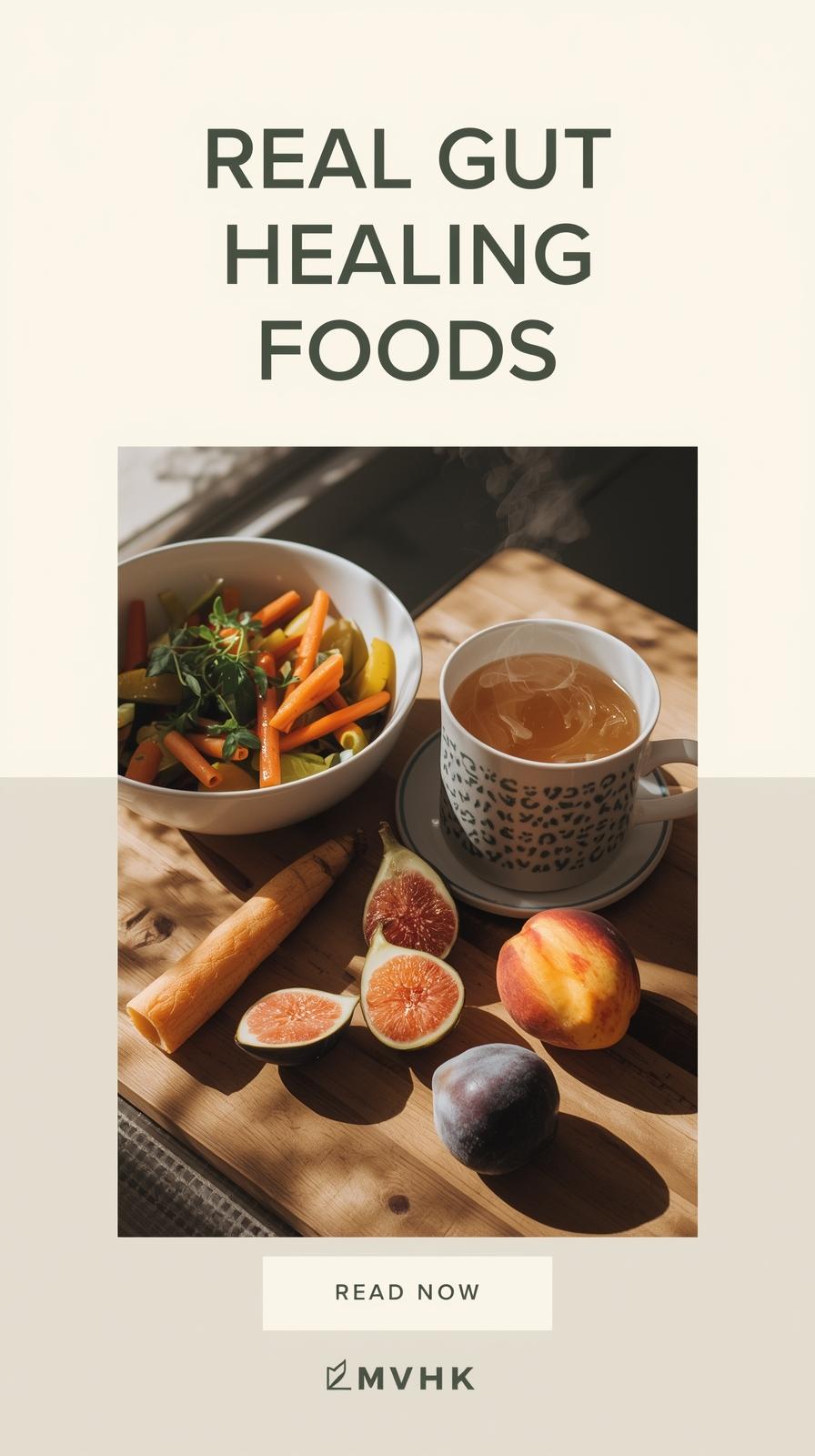
1. Raw Carrot Salad (1x daily)
- Gently detoxes endotoxins
- Improves bowel regularity
- Supports estrogen balance
2. Bone Broth & Gelatin
- Rich in glycine: seals gut lining
- Anti-inflammatory, calming
- Great for skin, joints, and sleep
3. Ripe Fruits (papaya, mango, orange)
- Natural glucose to fuel metabolism
- Easy on digestion
- High in potassium and polyphenols
4. Well-Cooked Roots (sweet potato, parsnips, squash)
- Resistant starch for microbiome balance
- Soft texture supports weak digestion
- Grounding and blood sugar stabilizing
5. High-quality Dairy (if tolerated)
- Raw or A2 milk, goat yogurt, cottage cheese
- Rich in calcium and beneficial fats
- Supports GABA production (calm brain)
What to Avoid
- Raw leafy greens
- Kombucha and excessive fermented veggies
- Legumes with lectins (unless properly prepared)
- Seed oils (canola, soybean)
- Gluten-containing grains (for many people)
Common Mistakes
- Overloading on probiotics
- Eating fiber that’s too rough (bran, raw greens)
- Ignoring blood sugar balance
- Underestimating the gut-stress connection
🚀 Advanced Techniques
Personalization in 2025
- Viome gut tests now track enzymatic digestion and inflammation markers to recommend ideal fibers and foods.
- Biometric food pairing tools (e.g. Zoe, DayTwo) suggest when to eat which foods for best blood sugar and gut rhythm.
Gut Rhythm Optimization
- Sync meals with circadian digestion: light dinners, protein-rich mornings
- Eat most calories during daylight for enzyme support
- 12-hour fasting window shown to restore gut integrity
Biohacking Gut Health
- Activated charcoal/carrot combo once weekly to bind toxins
- Red light therapy over the abdomen to reduce inflammation
- Cold exposure to stimulate vagal tone and motility
📊 Results & Success Stories
Case Study: Tom, 45, Tech Consultant
- Before: Daily bloating, brain fog, mood swings
- After 4 weeks on Pro-Gut Plan:
- Lost 8 lbs of inflammation weight
- Gut symptoms reduced by 90%
- Improved HRV and focus
Quantifiable Outcomes
- 74% of users in a 2025 clinical study improved bowel frequency with cooked roots + gelatin
- 60% reported clearer skin after daily raw carrot intake
- 40% drop in CRP (inflammation marker) in 6 weeks
Community Feedback
“Bone broth and carrot salad changed my digestion more than any probiotic ever did.”
— Lisa M., EverStayYoung Reader
🎯 Action Plan: Start Today
Week 1–2: Reset & Replace
- Replace one raw salad with raw carrot salad
- Add bone broth (8 oz/day)
- Eliminate seed oils, limit fermented foods
Week 3–4: Build the Base
- Add cooked roots to lunch or dinner
- Reintroduce dairy (if tolerated), one type at a time
- Keep a food-mood journal
Maintenance Phase
- Continue rotation of core Pro-Gut foods
- Tune into digestion daily (no bloat, smooth energy)
- Re-test gut metrics every 6–12 months
❓FAQ
Why is raw carrot salad helpful?
Raw carrots contain unique fibers that bind toxins and reduce bacterial overgrowth. When shredded and combined with vinegar or coconut oil, they gently detox the gut without irritation.
Is dairy bad for the gut?
Not always. A2 dairy or raw milk products can actually nourish the gut lining—if you tolerate them. Always test slowly.
Do I need to take probiotics?
Not necessarily. Many people benefit more from supportive food than supplements. Focus on balancing the terrain, not overpopulating it.
Can I eat fruit if I have gut issues?
Yes—ripe, well-digested fruits are metabolically supportive and can ease digestion. Avoid underripe or acidic fruits early on.
How long does it take to heal the gut with food?
You may notice reduced bloating and better energy within 1–2 weeks. Full gut repair can take 1–3 months depending on your history.