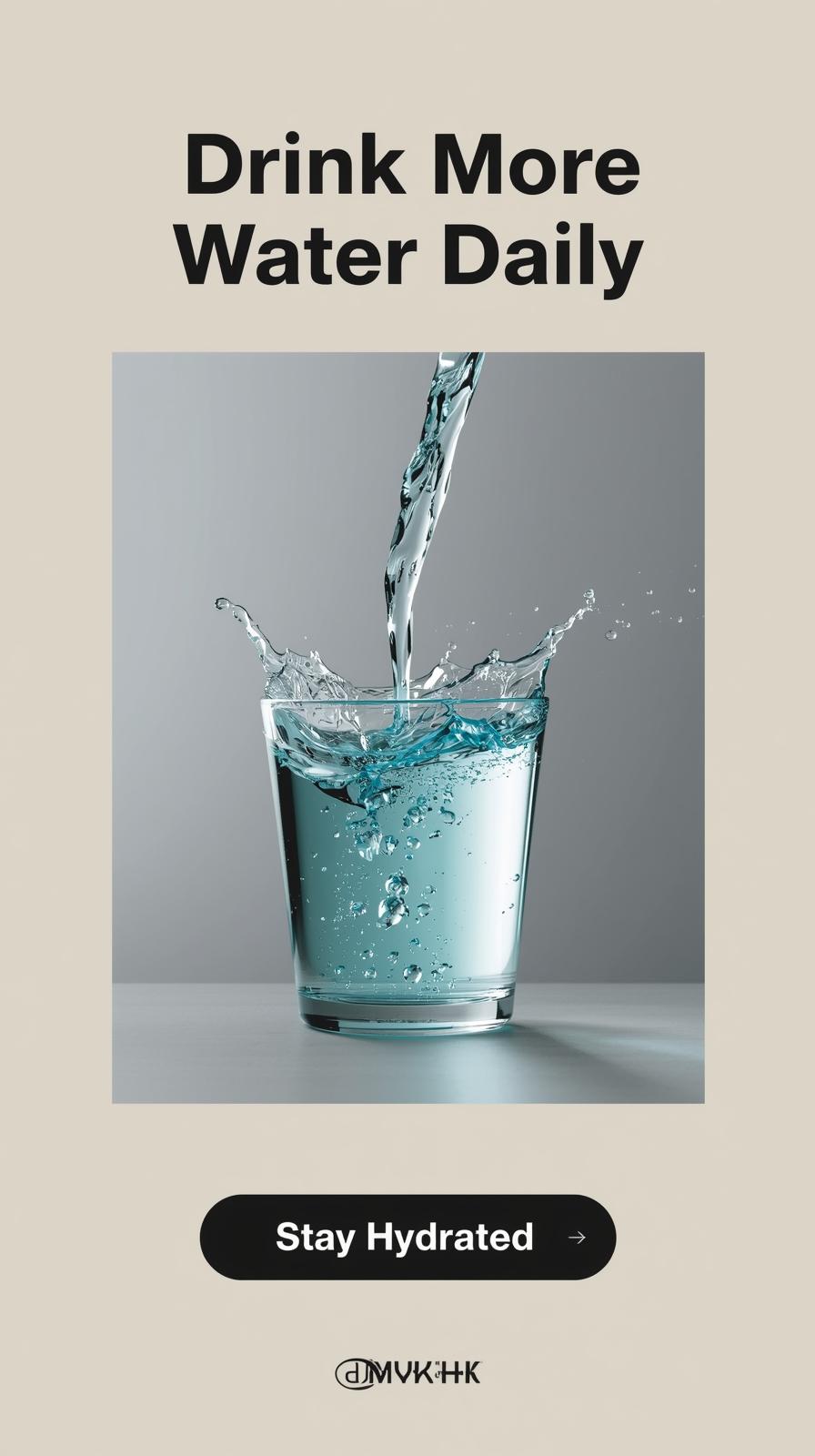
Drink More Water: The Hydration Blueprint for Energy, Focus & Longevity
How much water have you had today?
If you’re like most adults, the answer is “not enough.” Studies show that nearly 75% of Americans are chronically dehydrated—and the effects go far beyond thirst. From brain fog to fatigue, poor digestion to premature aging, inadequate hydration quietly sabotages our health and performance.
Here’s the truth: your body is about 75% water. But not just any water—electrically charged, mineral-rich water. In this guide, we’ll break down the science of hydration, explore why 3L+ per day matters, and show you how to stay truly hydrated in today’s fast-paced, tech-driven world.
🎯 The Science Behind Hydration & Longevity
Latest Research
Hydration affects every cell in the human body. A recent meta-analysis in Nature Reviews Nephrology (2024) linked even mild dehydration to reduced cognitive function, hormonal imbalances, and accelerated cellular aging. A longitudinal study from NIH found that individuals who maintained optimal serum sodium levels (hydration marker) over time lived longer and had lower rates of chronic disease.
Mechanisms
Water regulates temperature, transports nutrients, lubricates joints, and powers metabolic reactions. But what’s often overlooked is electrolyte balance. Without sodium, potassium, and magnesium, water can’t enter cells efficiently. This is why chugging gallons of plain water can actually flush out essential minerals—a phenomenon known as hyponatremia.
Expert Opinions
“Hydration isn’t just about water volume—it’s about fluid quality. Electrolytes matter more than ever, especially for high performers.”
— Dr. Lisa Cohen, Functional Medicine Specialist
“We often mistake hunger, fatigue, or even anxiety for dehydration.”
— Dr. Raj Patel, Longevity Researcher
💪 Implementation Guide
Getting Started
Start with a baseline of 3 liters (100 oz) per day for adults. Spread intake throughout the day:
- Morning (500ml): jumpstart metabolism
- Midday (1L): counter caffeine & activity loss
- Afternoon (1L): maintain clarity and energy
- Evening (500ml): rehydrate before bed
Use a smart bottle, habit tracker, or reminder app if needed.
Progression Strategies
- Add electrolytes: Use unsweetened tablets, powders, or sea salt + lemon
- Hydrate with meals: Supports digestion and reduces overeating
- Pre-load before workouts: 16-24 oz 30 minutes before
- Track urine color: Light straw = optimal, dark = hydrate
Common Mistakes
- Only drinking when thirsty: By then, you’re already dehydrated
- Relying on coffee/energy drinks: They increase fluid loss
- Skipping electrolytes: Can lead to fatigue and cramping
- Overhydrating without minerals: Can dilute sodium dangerously
🚀 Advanced Techniques
Personalization
- Use wearable hydration monitors (like HidrateSpark or Lumen)
- Adjust based on climate, activity level, and body weight
- Consider biological sex and menstrual cycle phase (affects fluid retention)
Technology Integration
- Smart bottles sync with fitness apps to auto-track intake
- AI hydration coaches use biometric data to prompt reminders
- Apps like WaterMinder or MyFitnessPal now include hydration trends
Sustainability
- Choose filtered tap or spring water over bottled plastic
- Use reusable containers (glass or stainless steel)
- Add hydration-rich foods: cucumber, celery, watermelon
📊 Results & Success Stories
Case Studies
- Remote worker increased energy and cut coffee intake by 50% in 3 weeks
- Busy mom dropped 5 lbs simply by replacing soda with electrolyte water
- Personal trainer improved recovery time by 30% with smart hydration
Measurable Outcomes
- Fewer headaches and mid-day crashes
- Improved focus and work output
- More balanced moods and digestion
- Reduced sugar cravings
Community Feedback
“I never realized how tired I was until I hydrated properly.”
— Elena M., 38
“Electrolytes changed my workouts. I recover faster and feel better overall.”
— Marcus R., 52
🎯 Action Plan: Start Today
Week 1–2: Foundation
- Set a 3L daily target
- Add electrolytes 2x/day
- Track urine color + mood
Week 3–4: Progression
- Use a smart bottle
- Integrate hydration with meals
- Pre/post-workout hydration protocol
Long-term Maintenance
- Adjust intake seasonally
- Teach family/kids hydration habits
- Use digital reminders to stay consistent
✅ FAQ Section
How much water should I drink daily?
Most adults should aim for 3–4 liters (100–135 oz) daily, depending on body size, activity level, and climate.
Can I drink too much water?
Yes, overhydration without electrolytes can dilute blood sodium. This is called hyponatremia and can be dangerous. Balance is key.
What’s the best way to start a hydration habit?
Use a reusable bottle, set phone reminders, and drink a glass of water every morning before coffee. Consistency is more important than volume.
When will I start noticing results?
Most people feel more energized and mentally clear within 3–5 days of consistent hydration and electrolyte use.
Are sports drinks good for hydration?
Not usually. Most contain sugar and artificial colors. Look for clean electrolyte mixes without additives or make your own with salt, lemon, and water.